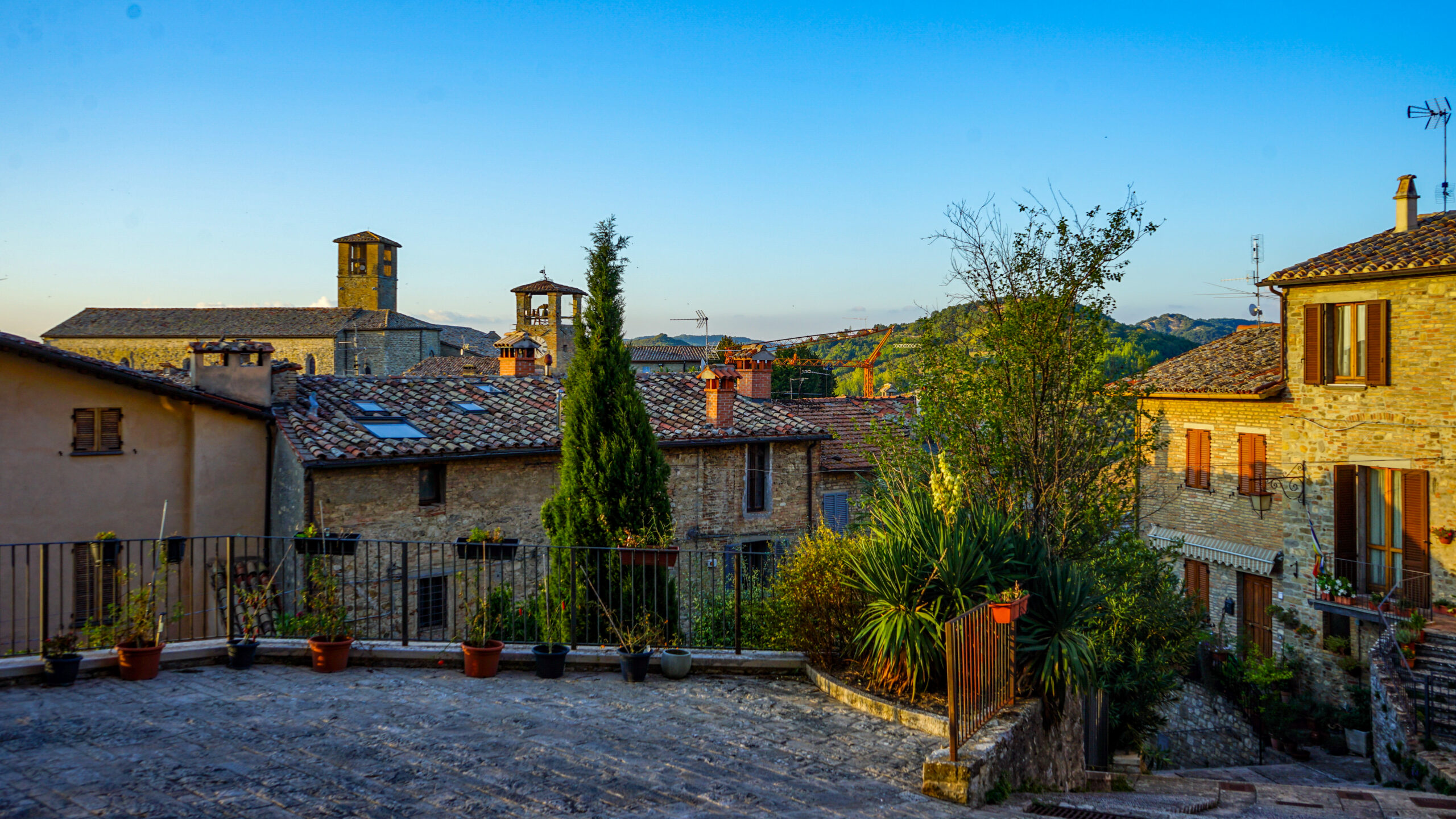
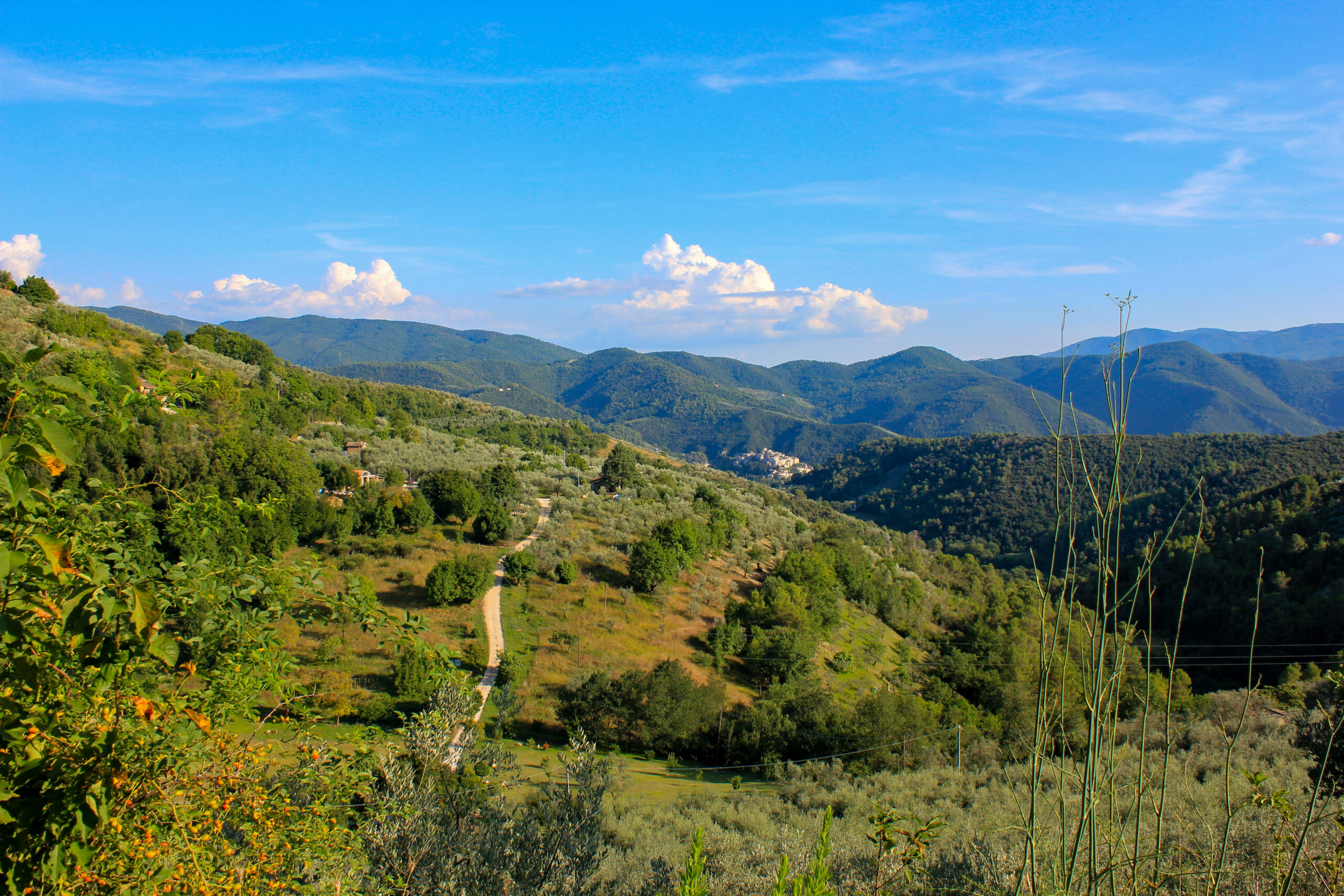
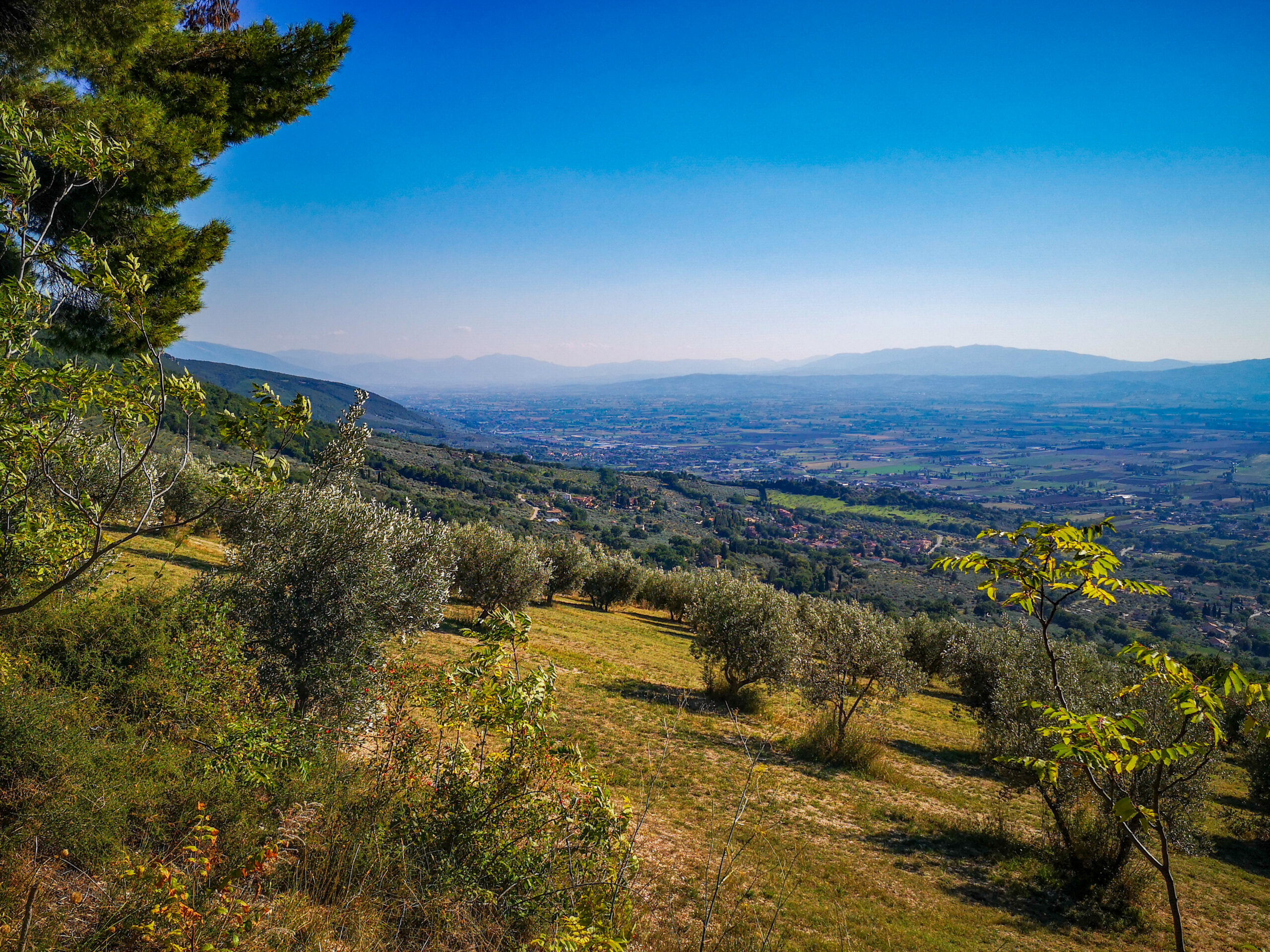
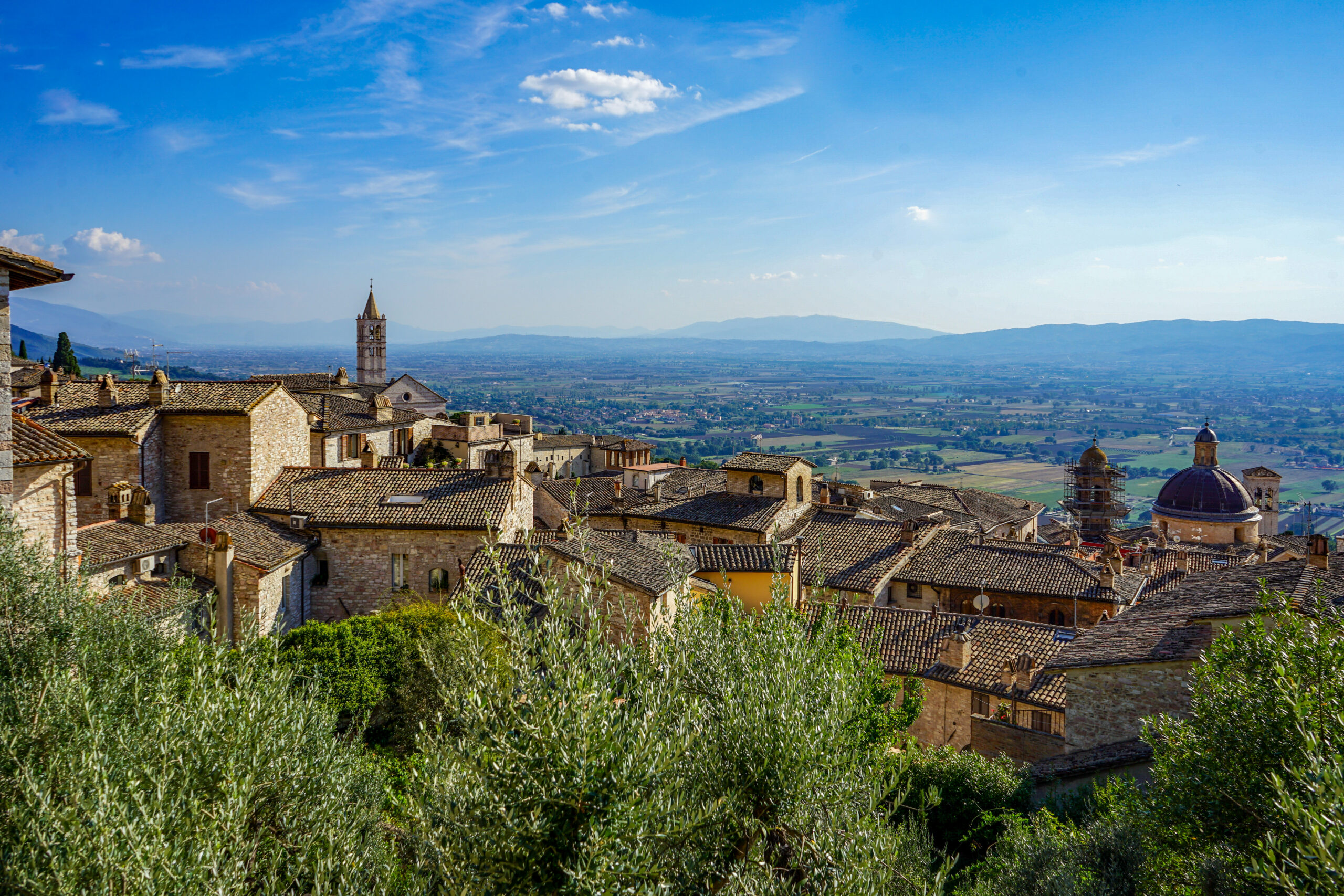
For those seeking a comprehensive journey, the region between Tuscany and Umbria – from the Upper Valtiberina to the Valle Umbra – offers exactly that. Perhaps because it is a well-structured yet understated destination catering to independent travelers, it manages to pack everything hill towns in central Italy are known for into a relatively small area: beautiful countryside, unspoiled nature, and cultivated vineyards and olive groves.
One gem follows another – from small hillside villages with breathtaking panoramic views and intimate local museums to larger cultural centers where history unfolds on a grander scale through architecture, art, and long-established traditions. Charming accommodations, well-marked walks for all levels, and a strong culinary identity tie the region together. Everyday life here retains a simple, authentic Italian rhythm, offering a genuine sense of place rather than a staged experience.
Best of all, once you are here, you don’t need to cover long distances. One or at most two well-chosen bases are enough to enjoy a fully immersive journey through this corner of Central Italy.
🔍 Places that reward a closer look
This is not a complete list, but a small, personal selection based on first-hand experience — places where history, setting, and everyday life come together in a way that naturally invites you to slow down and stay a little longer.
Anghiari
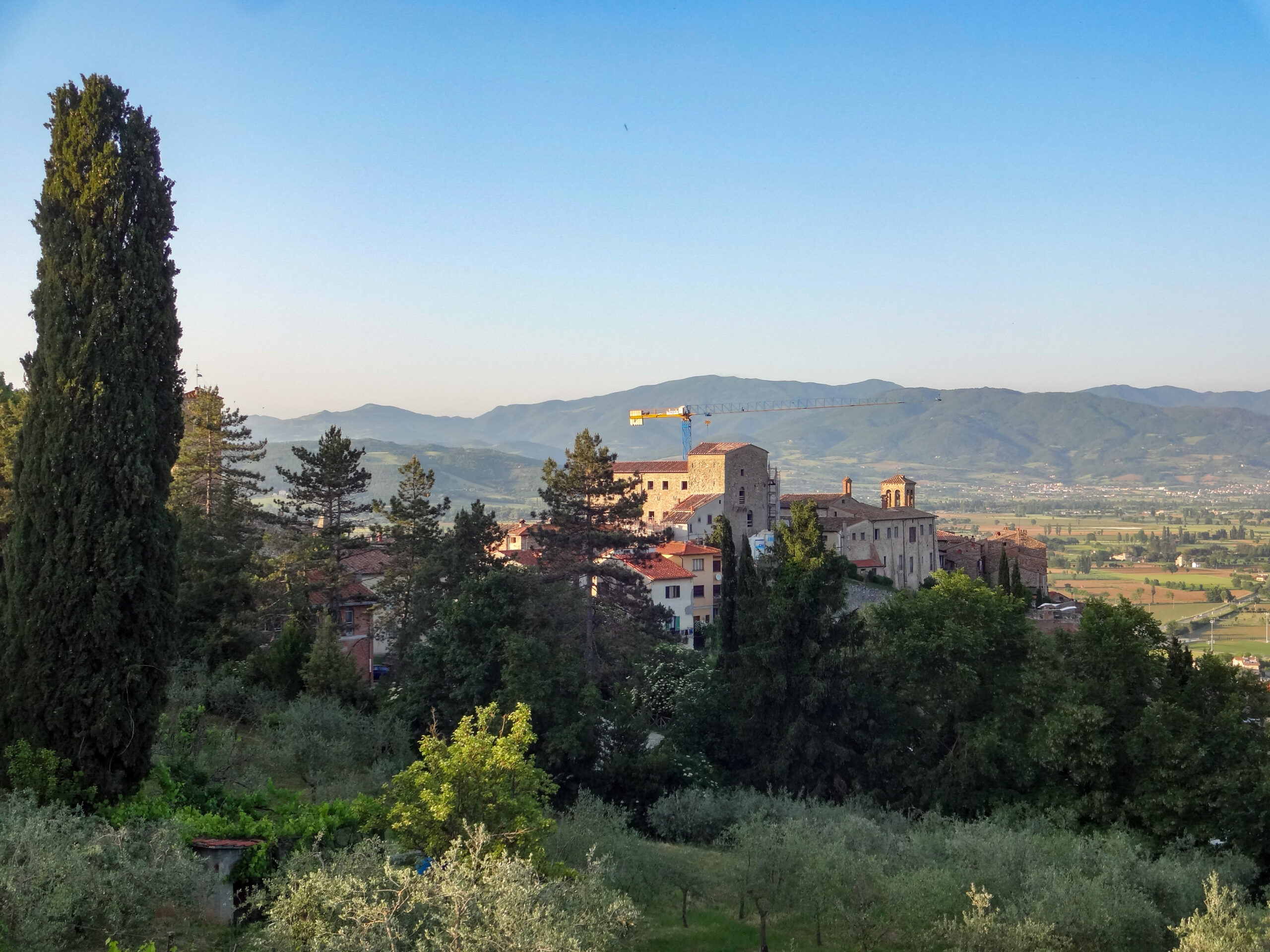
Anghiari is one of those small Italian towns that make you wonder how they are not featured in every guidebook. Arriving from larger Tuscan towns such as Arezzo, taking the winding SP43 feels like a quiet transition: the road opens up to sweeping views over the Upper Tiber Valley, with hill towns like Sansepolcro clinging to the opposite slopes of the valley.
The medieval town is historically known for the Battle of Anghiari (1440), famously depicted by Leonardo da Vinci in a now-lost mural for the Palazzo Vecchio in Florence. Today, a well-signposted walking route guides visitors through Anghiari’s narrow lanes, offering insights into its history and architecture. The old town itself is compact and mostly pedestrian, making it easy to explore on foot.
One of the highlights is simply pausing for a coffee or a glass of local wine at a café overlooking the valley, near the Vicari Gardens, where the view alone is worth the stop.
Although technically still in Tuscany, Anghiari makes an excellent base for exploring the Upper Valtiberina down towards Umbria, including towns such as Sansepolcro, Città di Castello, and Montone. With unspoiled hills ideal for walking, hiking, and mountain biking on one side, and the open valley on the other, it offers a balanced mix of nature and culture. Add to that a range of places to stay—from simple agriturismi to refined retreats—and Anghiari becomes a natural starting point for discovering this part of Central Italy.
🌿 Where to stay
-
Agriturismo Val della Pieve
Classic, family-run & budget-friendly
Rooms and apartments on a working farm, with a beautiful pool and sweeping views over the hills. A relaxed, authentic stay and a true com (c)alma choice. -
Il Cardo Resort
Elegant & refined
A more luxurious, understated option offering stylish accommodation and guided tours in the surrounding region.
🍽️ Where to eat
-
Il Feudo del Vicario
Wine cellar & seasonal cuisine
A cantina offering a refined yet relaxed dining experience, with a small, seasonally changing menu featuring local delicacies such as homemade pasta and wild game, paired with an excellent wine selection. -
Piadineria Artigianale AL59
Light lunch & take-away
A perfect stop for homemade artisan piadine and quality snacks — ideal for a casual lunch, takeaway, or stocking up before a hike.
🍹 Best drink with a view
Inside or outside, it offers panoramic views while you enjoy a coffee or the ever present Sprizz in this region.
Montone
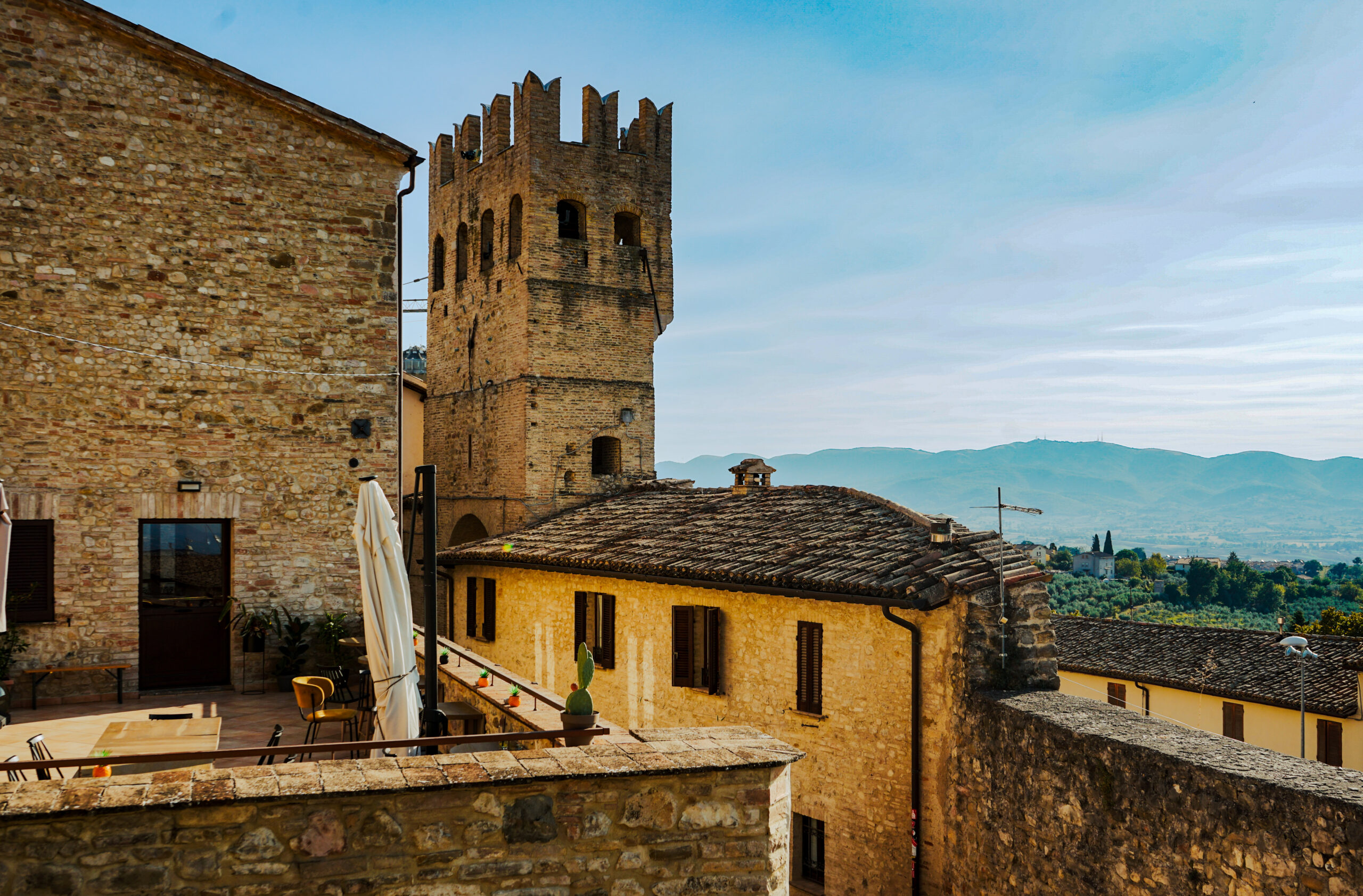
Montone is a small stop, but one that’s very much worth your time. Perched high on a hilltop, this tiny village seems lifted straight out of a medieval fairy tale. Like many historic towns here, the entry gates to the old town are pedestrian-only, and every street winds either up or down on cobblestones, giving you an immediate sense of the village’s character.
Montone is easily combined with nearby stops such as Sansepolcro or Città di Castello. Follow Corso Giuseppe Garibaldi to the main square, Piazza Fortebraccio, and either before or after, head up towards the Complesso Museale di San Francesco a Montone. From here, you’ll enjoy the best view in town, and it’s a perfect spot for a snack or a coffee. If the museum is open, take a look inside; if not, the climb itself is rewarding for the views over the surrounding hills and the village below.
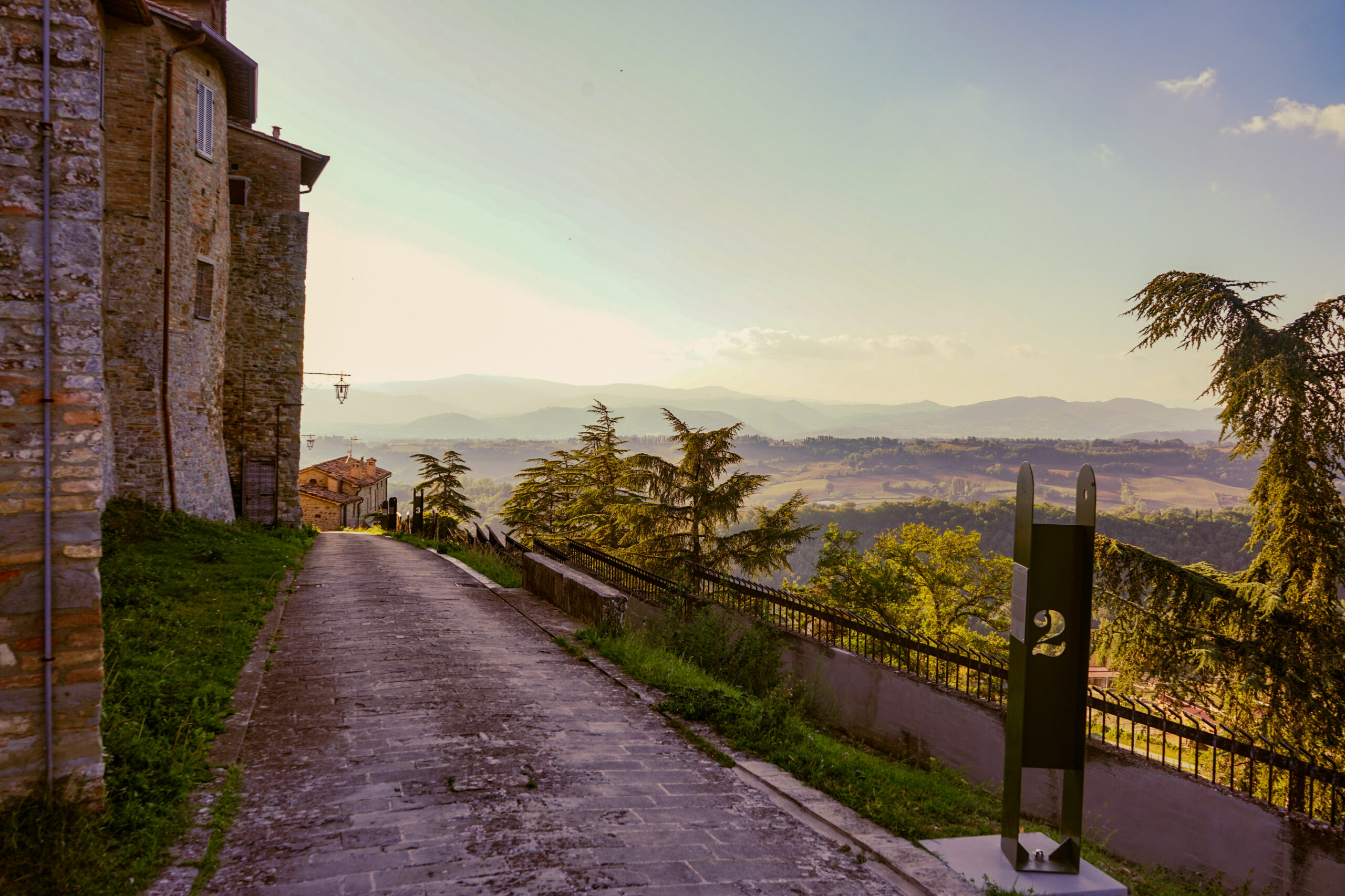
For those who enjoy a more active exploration, a hike from town leads to the impressive Rocca d’Aria. Adventurous travelers can also reach it by car, but the walk provides a far richer sense of the landscape and village charm.
🛒 Shop locally
La Bottega di Azienda Agraria Migliorati
Local products including cheese, selected salami and hams, olives, and wines. A great spot to pick up authentic flavors of the region or stock up before a hike.
🍽️ Where to eat
Taverna Del Verziere
Local cuisine & warm hospitality
Delight in authentic dishes such as antipasti or cappellacci ripieni di ricotta e spinaci, made with care and local ingredients. The owners’ friendliness adds a personal touch — on one visit, they even prepared a small cake for a birthday dinner.
☕ Take a break
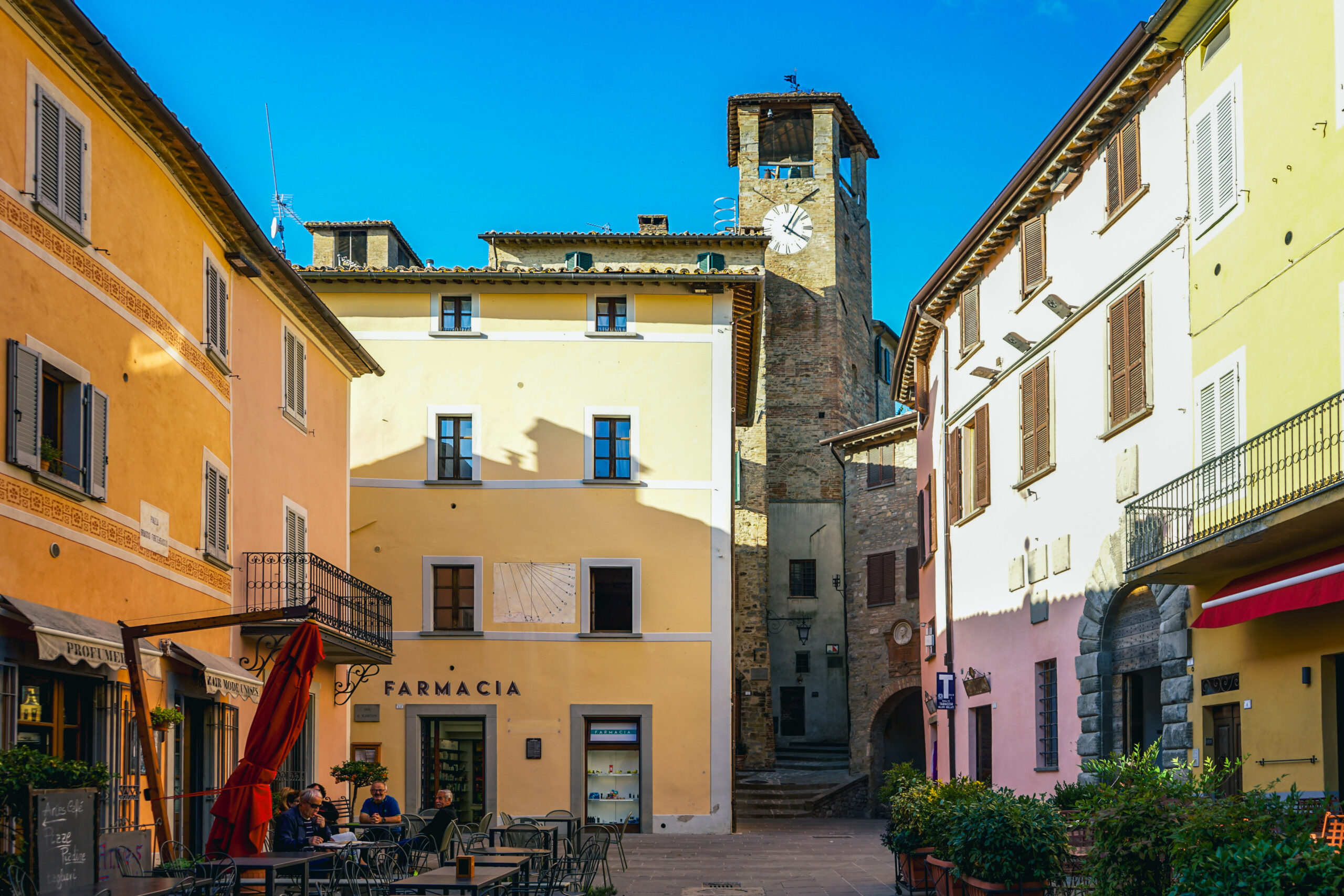
Aries Cafè Bar e Pizzeria
Sit on the small main square and enjoy a coffee or a snack while watching everyday village life unfold around you. A perfect spot for a pause between exploring or before heading to the museum or viewpoints.
Montefalco
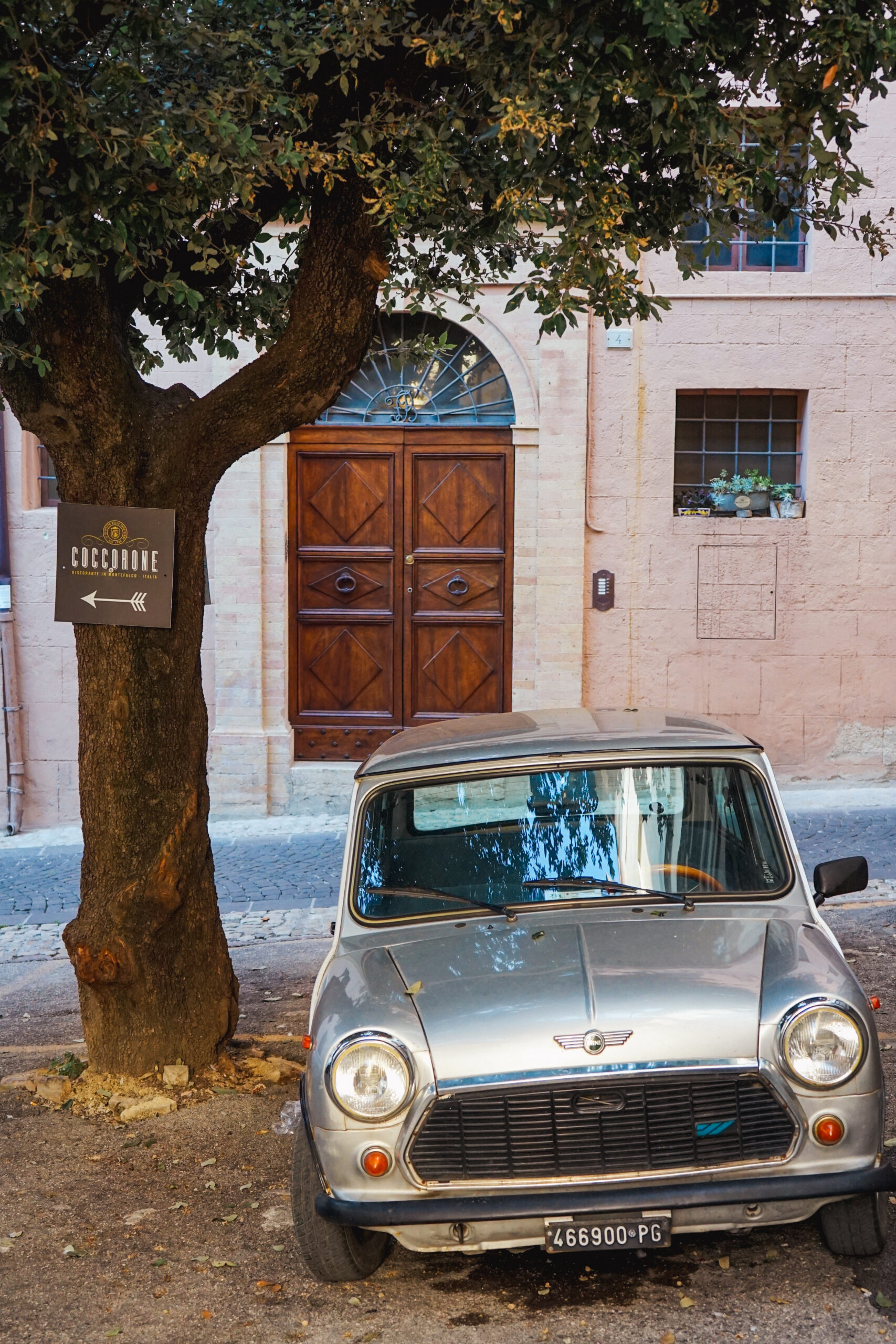
A little further south, on the western side of the Valle Umbra with stunning views towards Assisi and Monte Subasio, lies Montefalco. Part of the “Borghi più belli d’Italia” association, it is another example of the small, charming villages in this region that remain largely unknown to international travelers.
Originally a Roman settlement, Montefalco today is best known for its robust Sagrantino red wines and olive oil. Perched on a hill, the old town is carefully laid out so that all streets lead to the central Piazza della Comune (sometimes also called Piazza dei Cavalieri), offering a natural starting point for gentle town walks. Some of the most important landmarks, including the Chiesa di Santa Maria di Piazza and Palazzo Camilli ex De’ Cuppis, are located around the central piazza.
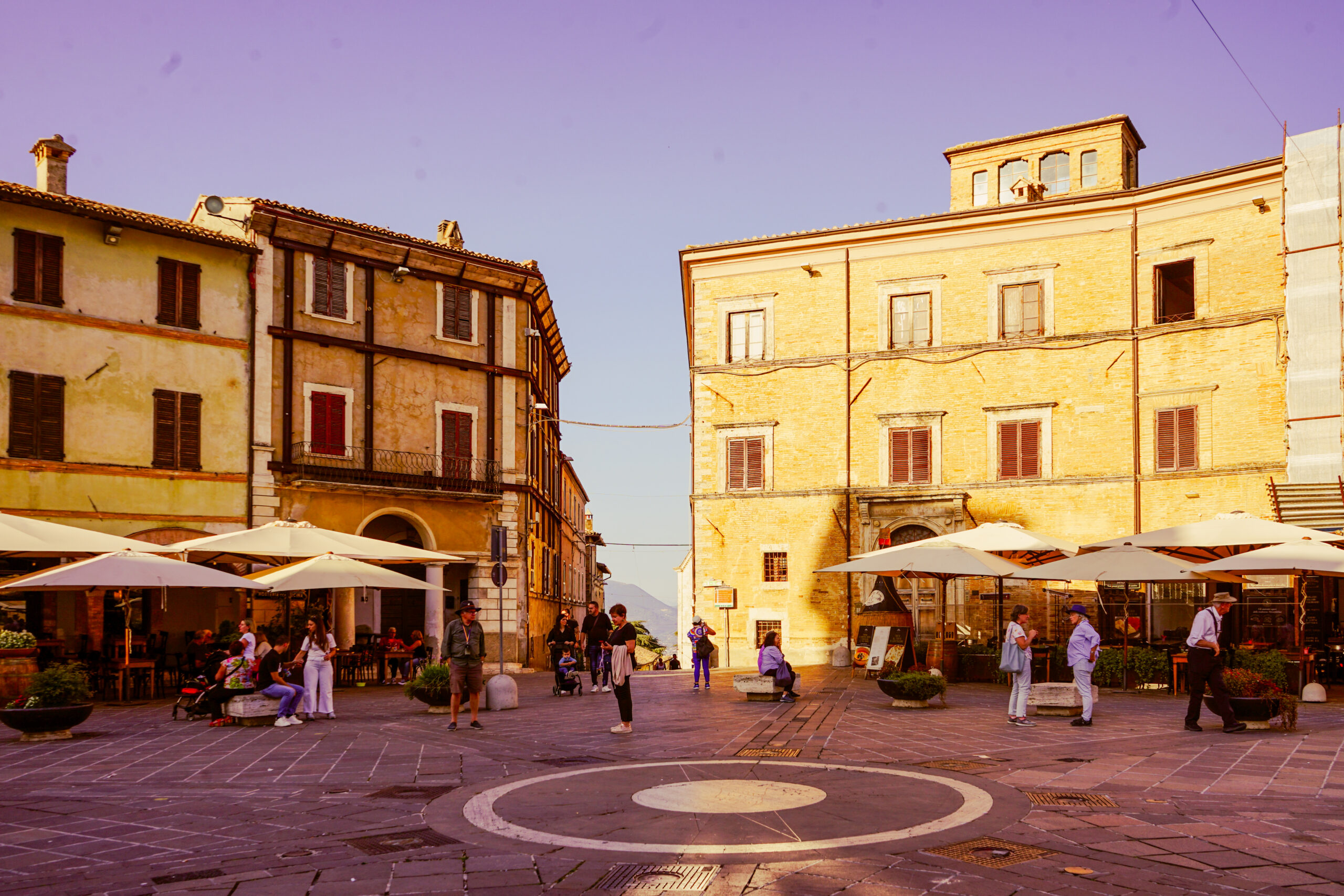
Not far from the center, the San Francesco museum complex awaits with its old church, captivating frescoes, and a section dedicated to local wine history — perfect for anyone curious about Montefalco’s rich cultural and culinary traditions.
Typical dishes in Montefalco are those designed to pair with the region’s full-bodied Sagrantino, including lamb and game, reflecting the local palate and seasonality.
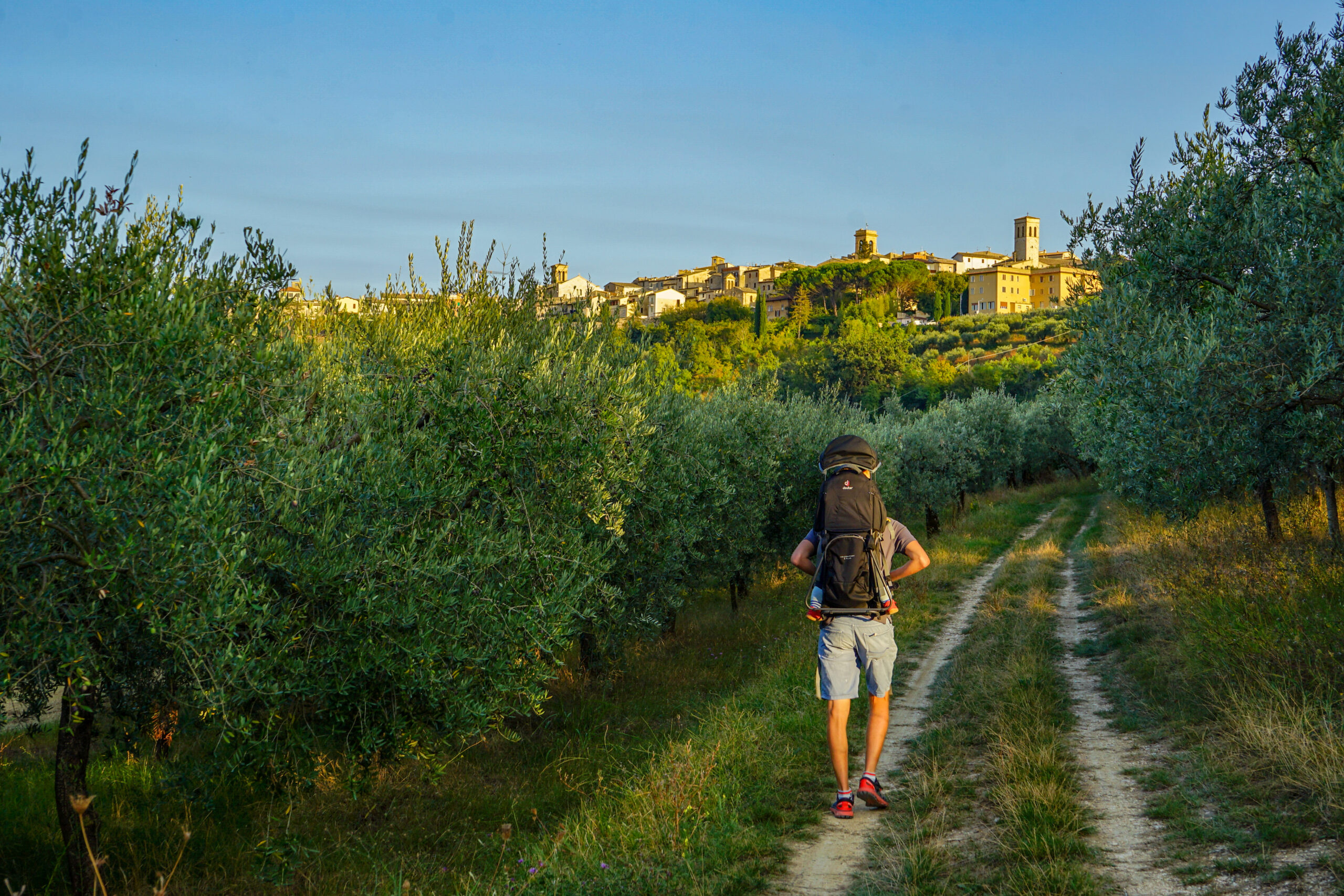
🍷 Discover the Strada del Sagrantino
The Strada del Sagrantino is a scenic wine route weaving through Montefalco and the surrounding Umbrian countryside, celebrating the region’s robust Sagrantino DOCG wines, olive oil and local gastronomy. It’s perfect as a culinary side trip if you’re in Montefalco or the Upper Valtiberina — ideal for tastings, vineyard visits or pairing local specialties with distinctive wines.
Good to know:
The route links vineyards and producers in Montefalco, Bevagna, Gualdo Cattaneo and nearby towns, offering multiple ways to explore the wine landscape.
You don’t need to drink and drive — consider guided tastings or pairing experiences in town, especially around Montefalco’s historic centre.
Seasonal events (like tastings and food‑wine pairings) often take place along the route, especially in the warmer months.
🏛️ Key cultural experiences
Beyond the smaller, lesser-known villages, the region is also home to major cultural centres such as Assisi, Perugia, Spoleto or Gubbio. To keep the focus on inspiration rather than completeness, a conscious selection has been made — highlighting places that offer a strong sense of history, atmosphere and cultural depth without trying to cover everything.
Assisi
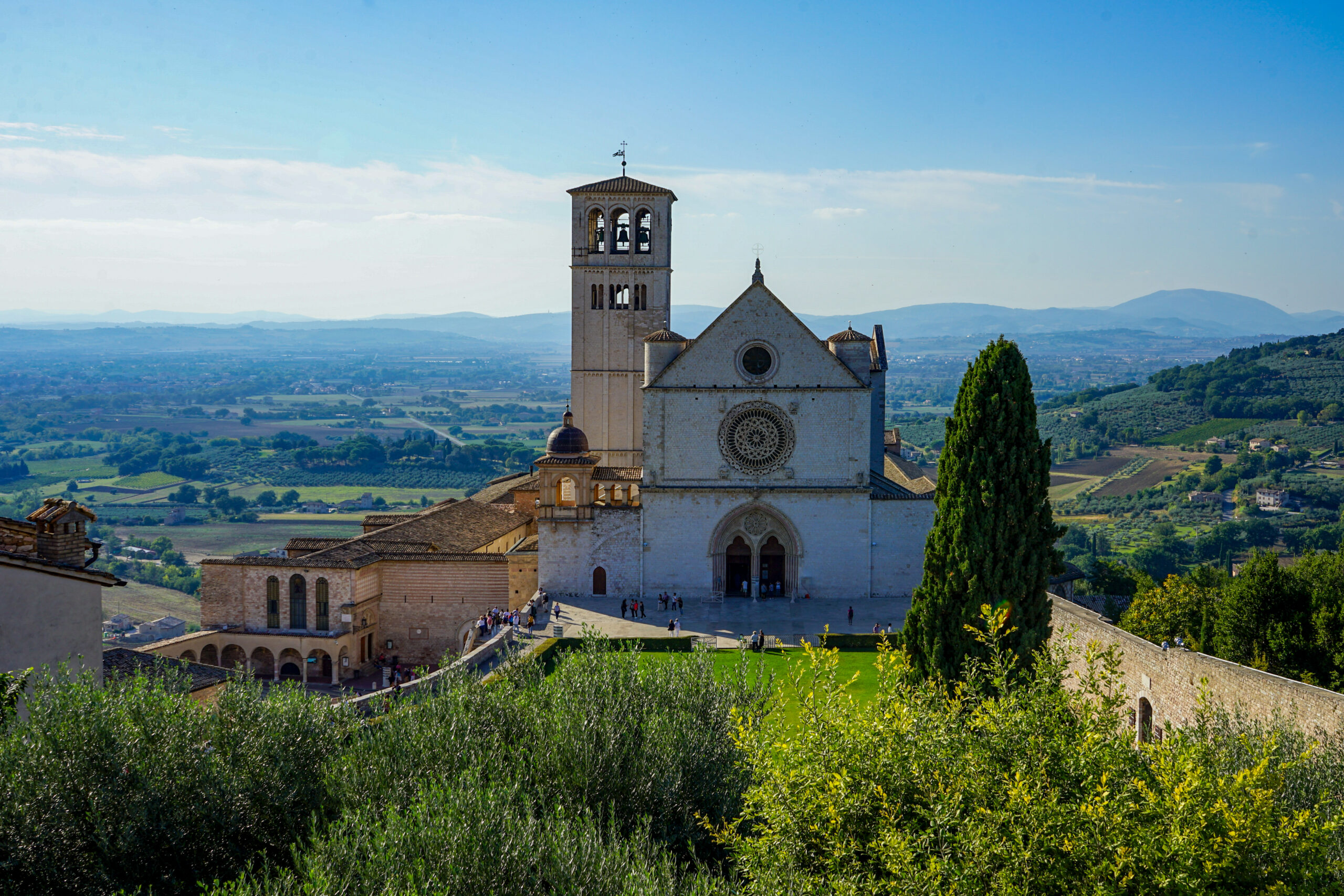
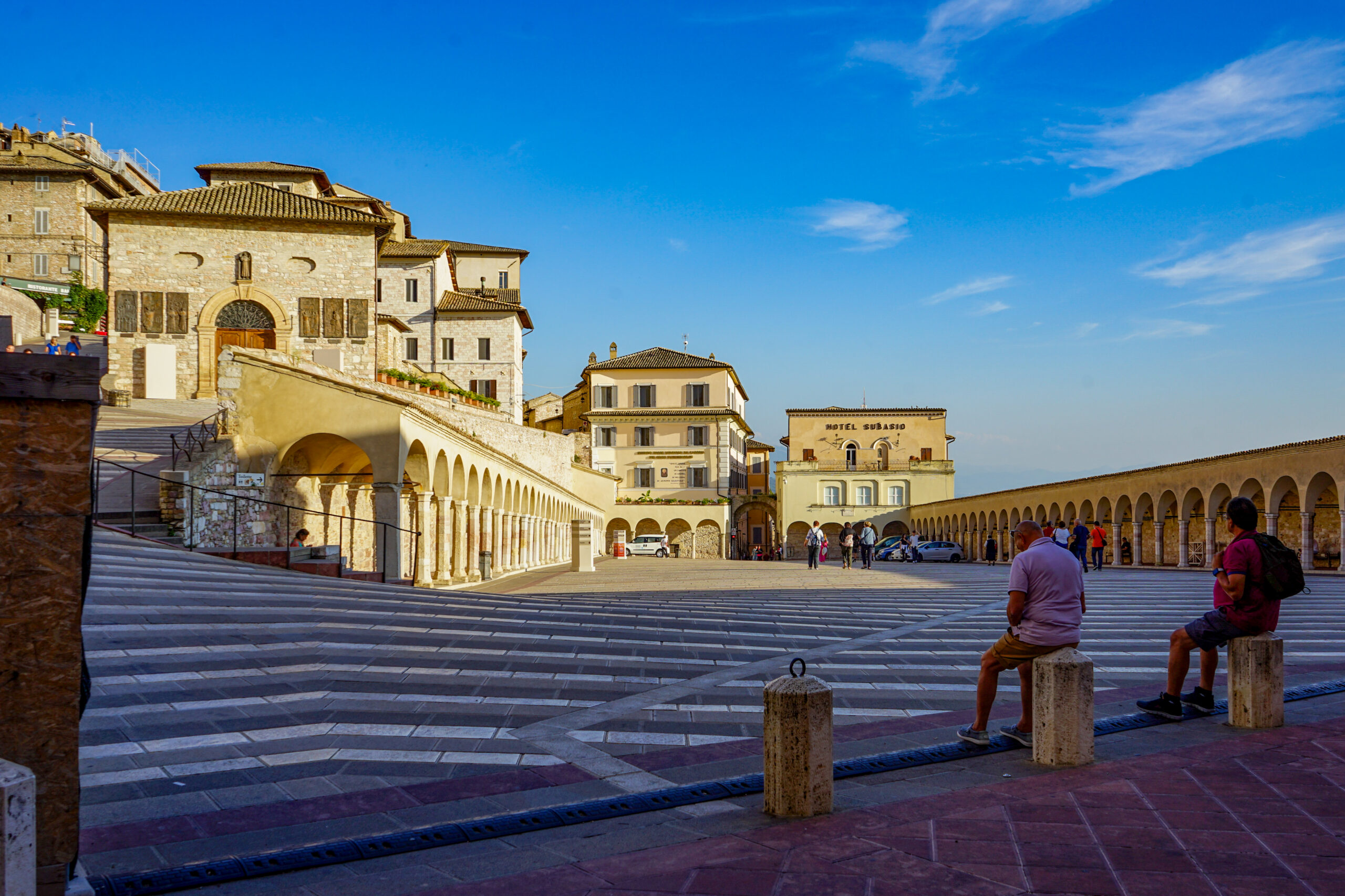
Assisi is a highlight — regardless of whether you’re particularly interested in religious history or not. Few places outside the very large cultural centres like Rome manage to combine landmarks, monuments, museums, beautiful squares and sweeping views within such a compact historic core.
That density is both a gift and a trap: Assisi shouldn’t be underestimated. While it’s perfectly possible to walk all major highlights of the historic centre in a full day, the city easily rewards a longer stay — especially for travellers interested in culture, nature walks or Umbrian cuisine.
Unless you’re staying right in the old town, a good place to begin your exploration is the Basilica of Santa Chiara. From here, gradually make your way uphill towards the Cathedral of San Rufino. Almost all churches in Assisi are worth visiting, but given the richness of the city, this guide deliberately avoids listing every single sight.
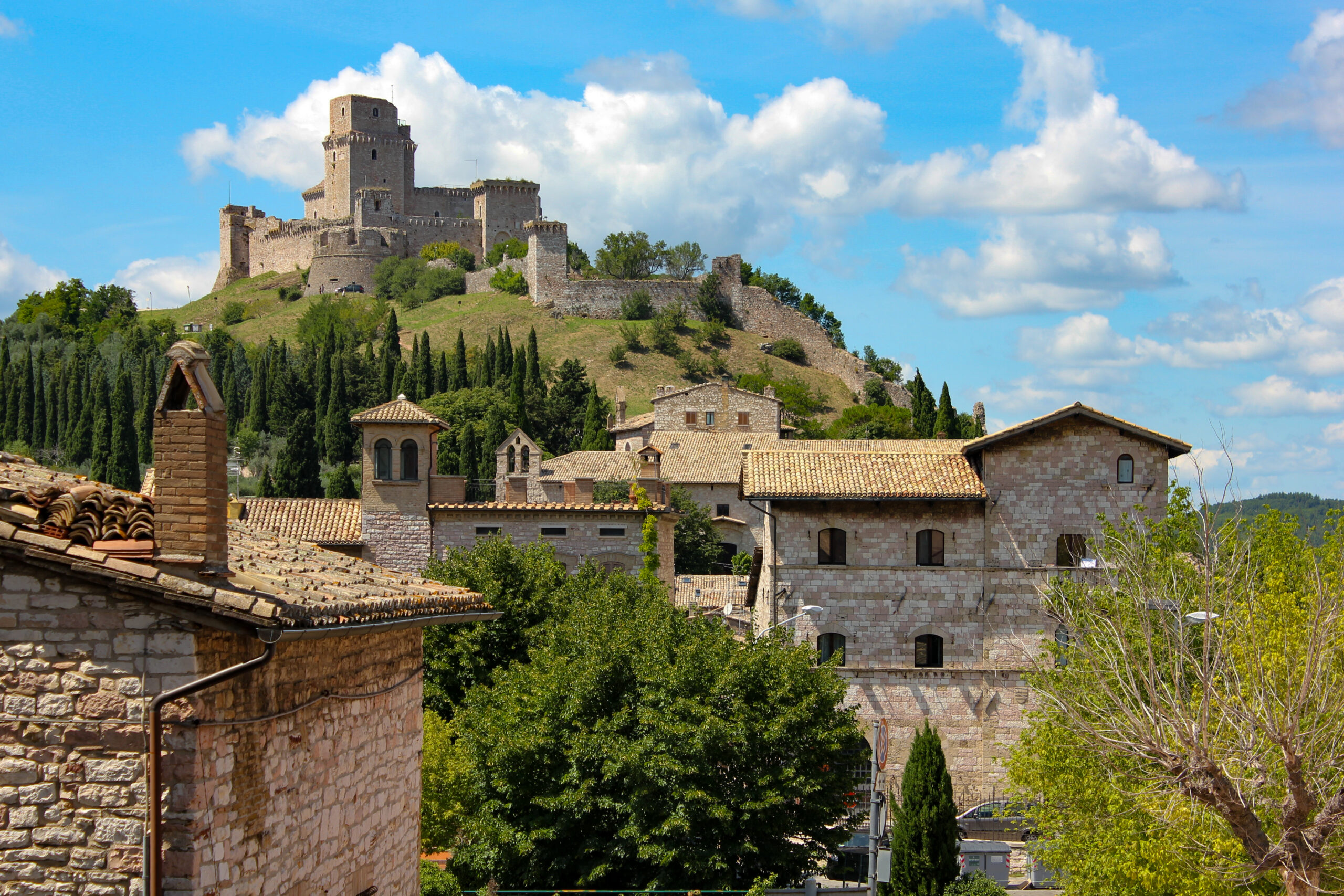
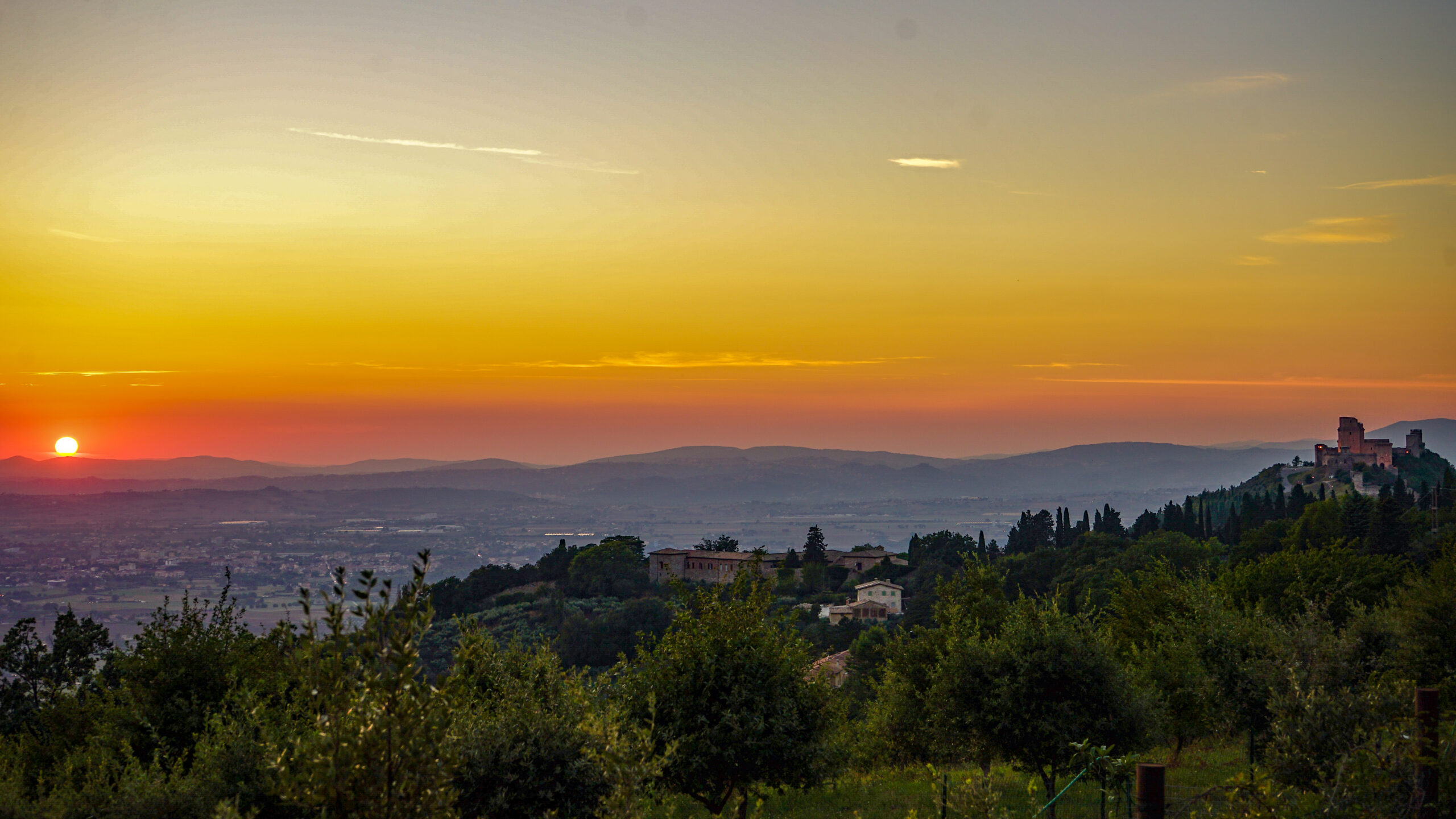
From the upper town, continue to Rocca Maggiore, the fortress overlooking Assisi. The climb is highly recommended: only from up here does the full scale and uniqueness of the city and the Valle Umbra truly reveal themselves. Visiting the fortress itself is worthwhile, though not essential.
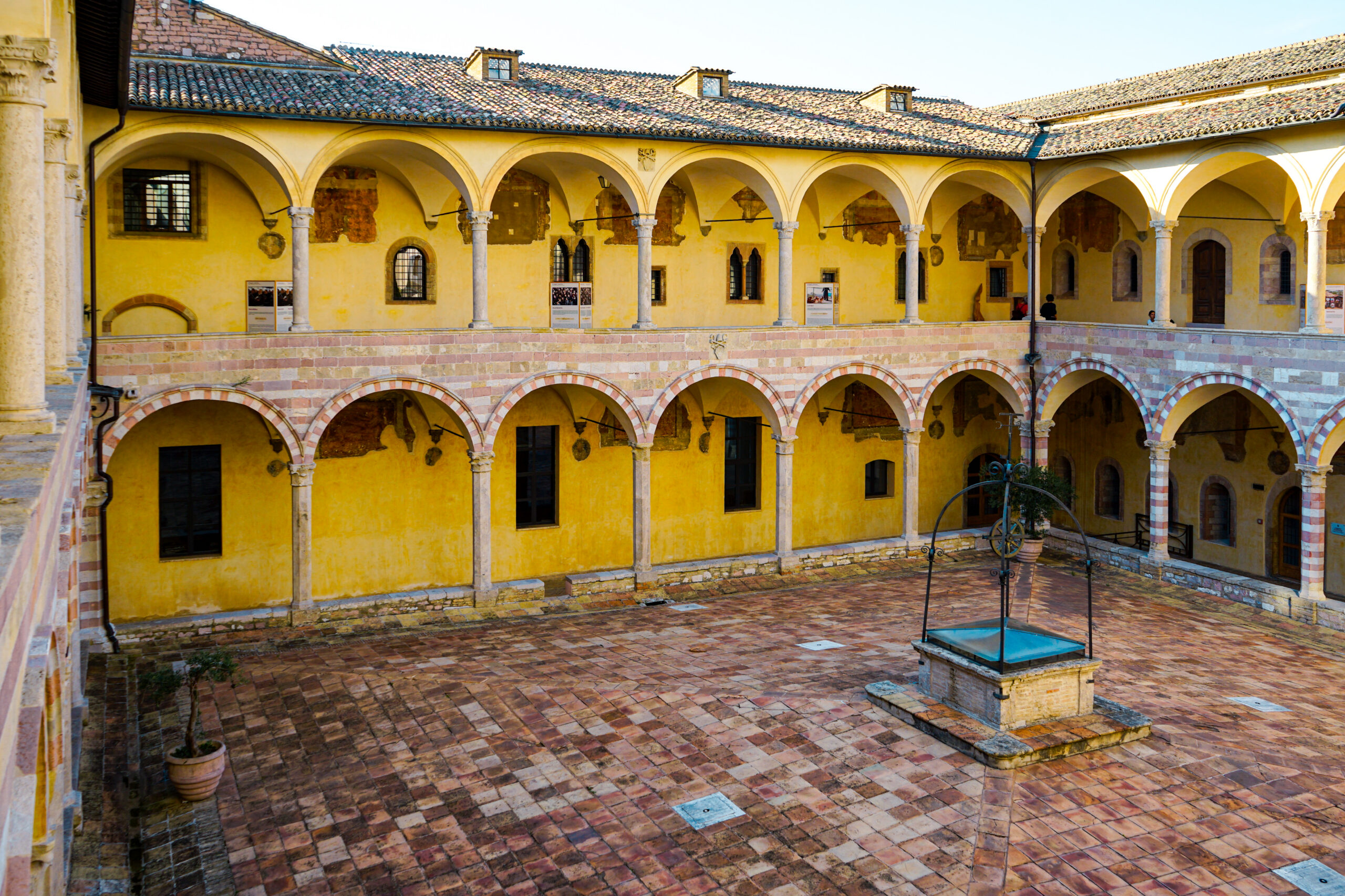
Instead of descending back into town, follow the route towards the Monastero della Santa Croce, run by German sisters. For the overall flow of the visit, this route works particularly well. Simple pilgrim accommodation is also available at the monastery for those interested.
From here, join Via Metastasio, but leave it fairly quickly via a narrow alley and steps leading towards the Chiesa di Santa Margherita. From the parish garden, you’ll enjoy a spectacular view of the Basilica of San Francesco, Assisi’s central landmark.
Plan at least one to two hours here to explore both the basilica and the convent properly.
On the way back, stay at roughly the same elevation and explore the remaining historic centre until you reach Piazza del Comune, home to several further sights, including the birthplace of Saint Francis and additional churches.
Culinary stops are plentiful throughout Assisi — specific highlights are included in the info boxes.
🌿 Where to stay
-
Villa Bigio
Charming bed & breakfast just outside Assisi, yet only about 15 minutes on foot from the historic centre. Its quiet location, spacious garden and pool make it ideal for slowing down after a day in town.
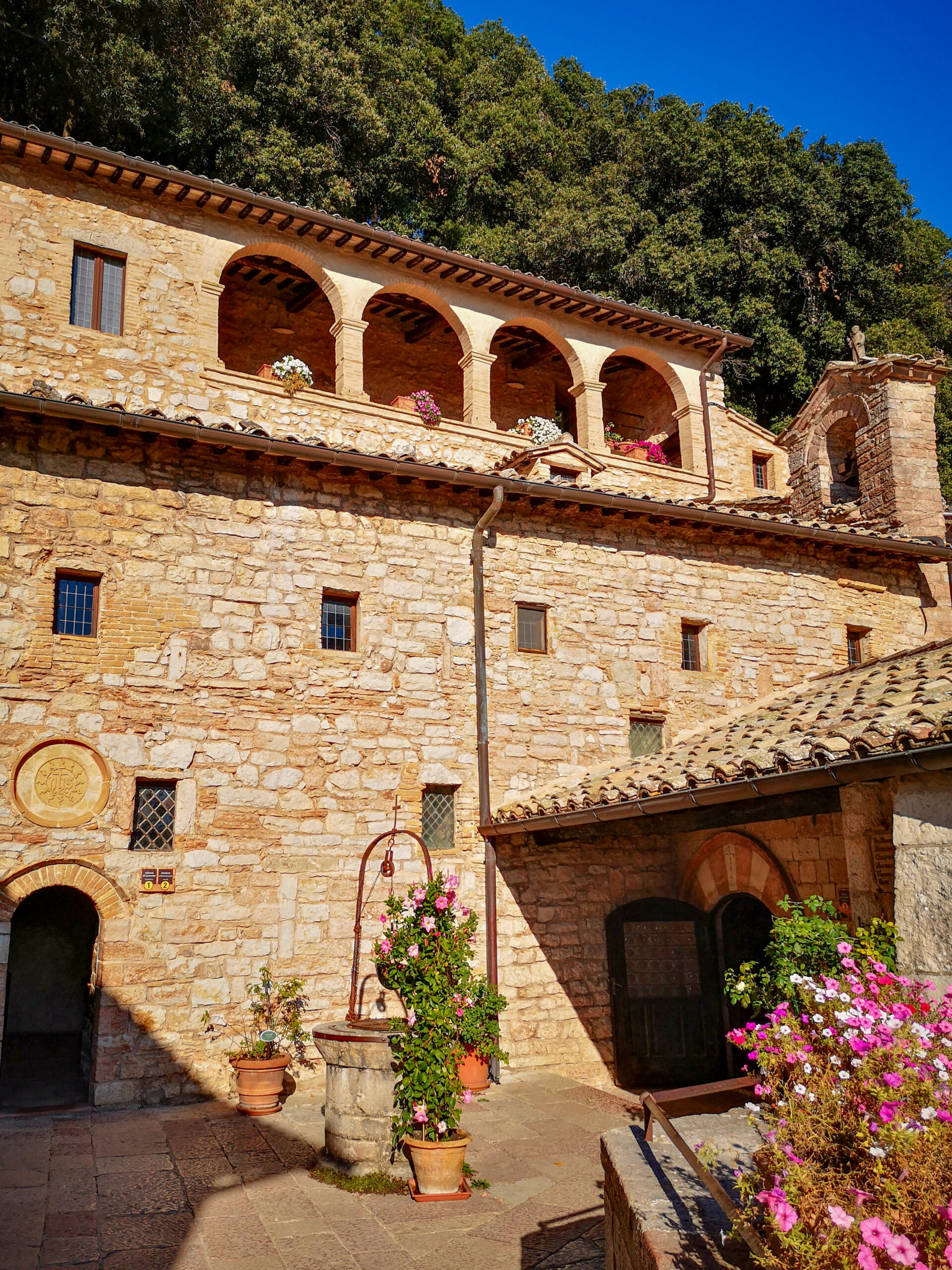
Several hiking trails start right at the doorstep, leading towards the Eremo delle Carceri or up to Monte Subasio.
Family-friendly, with the added bonus of private parking on site. -
Hotel Ideale
Central location close to the historic centre, with beautiful views and a garden.
Offers rooms and apartments, and — a real plus for Assisi — on-site parking despite the proximity to the centre.
🍽️ Where to eat
-
Benedikto (Assisi)
A refined osteria with a special setting: large windows open up views over Assisi’s historic centre. Ideal if you’re looking for elevated cuisine without formality. For groups of 4–6 people, a degustation menu is available. The primi piatti, especially the pasta dishes, are creative, well executed and genuinely memorable. -
AssaggiAssisi
A great stop for tasting Assisi’s local specialities in an uncomplicated way. Whether you want to pick up regional products or grab a homemade panino to go, this is an ideal place for a relaxed snack while exploring the town. Simple, high quality, and very local.
🍹 Best drink with a view
Bar Giardino di San Lorenzo
Whether on your way up to or down from Rocca Maggiore, this is a great spot for a short stop. The menu isn’t particularly special, but coffee and drinks are solid — and the setting more than makes up for it. The views over Assisi and the atmosphere are truly memorable, making it a perfect pause along the route.
Spoleto
Once again, a city set in a spectacular position, with a history that reaches back to antiquity. Originally settled by the Umbri, Spoleto gained major strategic importance during Roman times thanks to its location along the Via Flaminia. Local tradition even claims that the Umbri resisted Hannibal here during his march on Rome — a story that may belong more to legend than proven history, but one that hints at the town’s long-standing reputation for resilience.
Spoleto easily fills a full day, though it can also be explored on a demanding half-day itinerary. The historic centre is built steeply into the hillside, which means a lot of walking — but there’s good news for families and visitors with limited mobility: a system of escalators connects the lower parts of town with the upper historic centre. The most practical approach is to park near the base of the escalators and ride them up as far as possible.
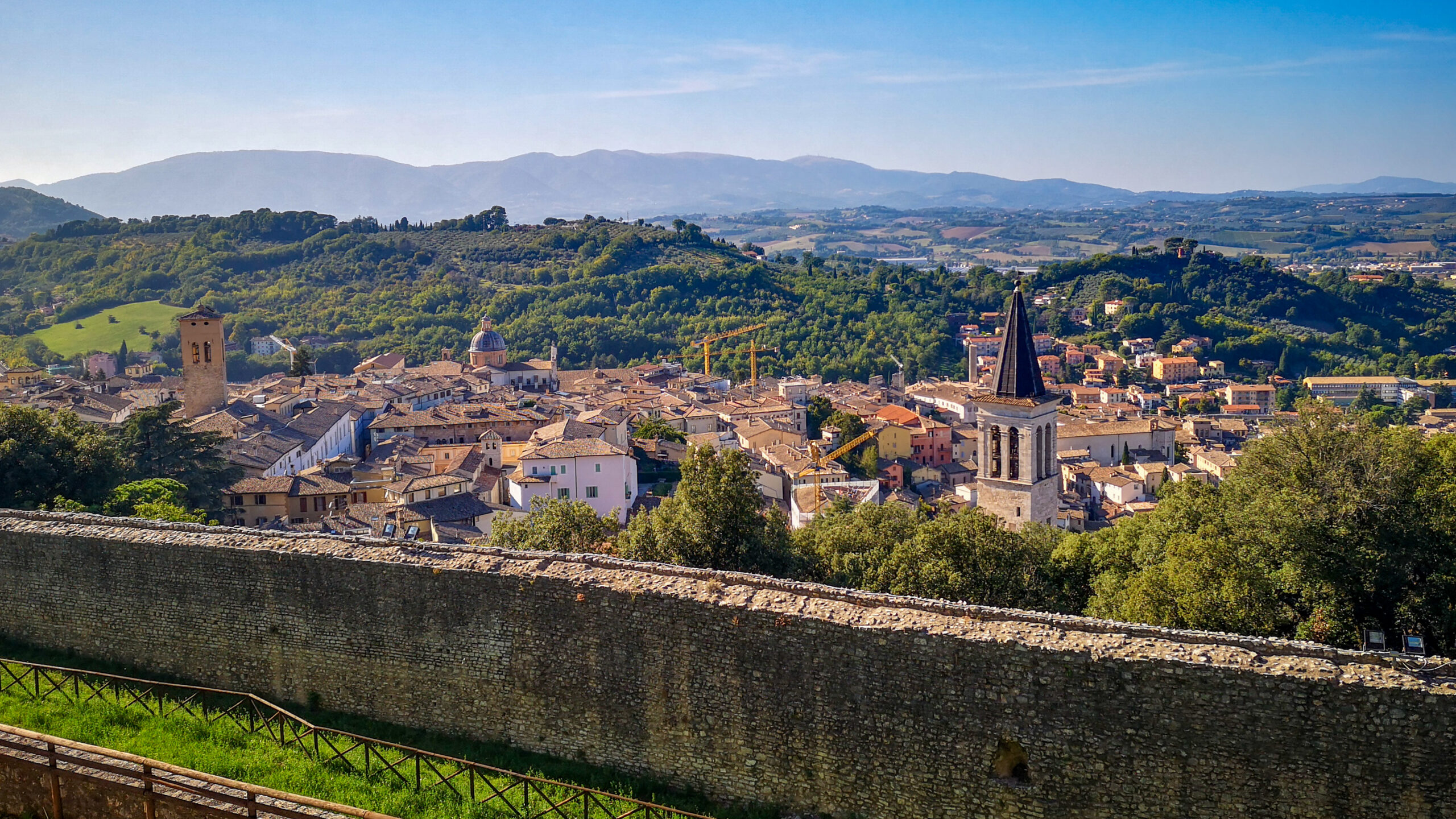
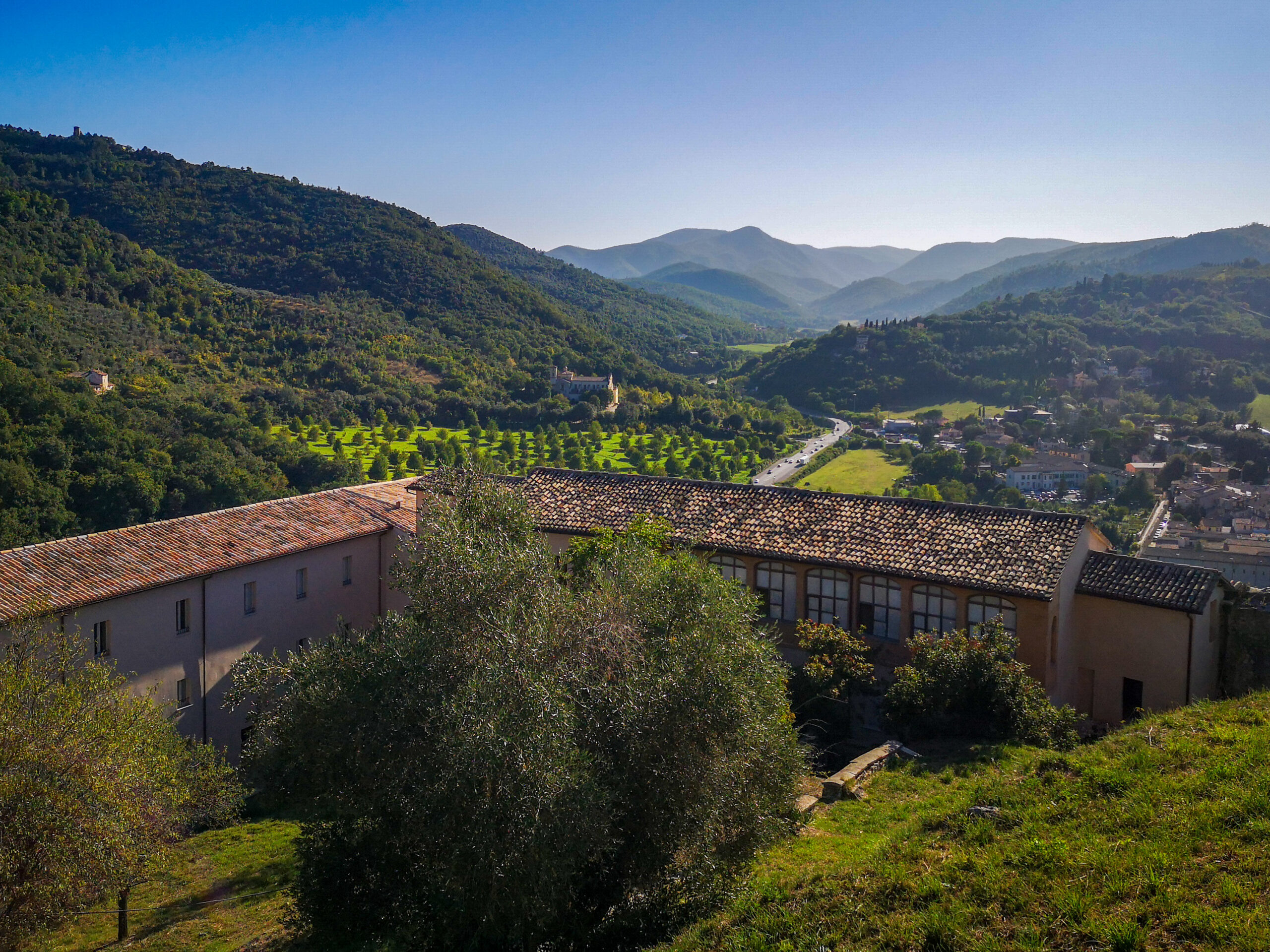
Ideally, start at the very top, at Rocca Albornoziana, and explore the city on the way down. The imposing medieval fortress was built in 1359 on papal orders to control the strategically vital Via Flaminia. A visit inside is worthwhile, but even just walking around the outer walls rewards you with sweeping views over Spoleto — and, on the opposite side, a dramatic perspective of the Ponte delle Torri, the monumental aqueduct-bridge spanning the wooded gorge below. Looking east from here, the landscape gradually shifts from gentle hills to more mountainous terrain.
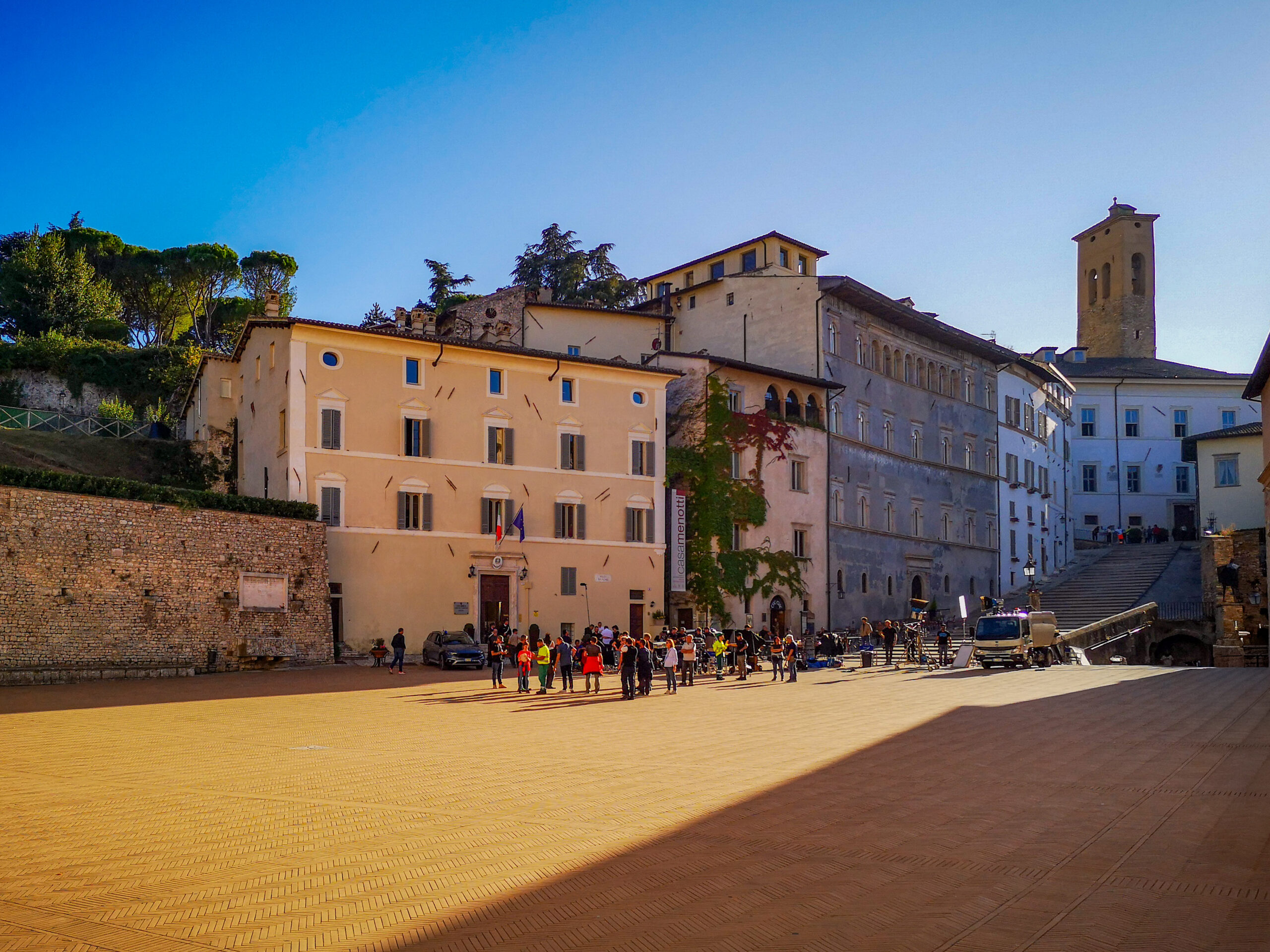
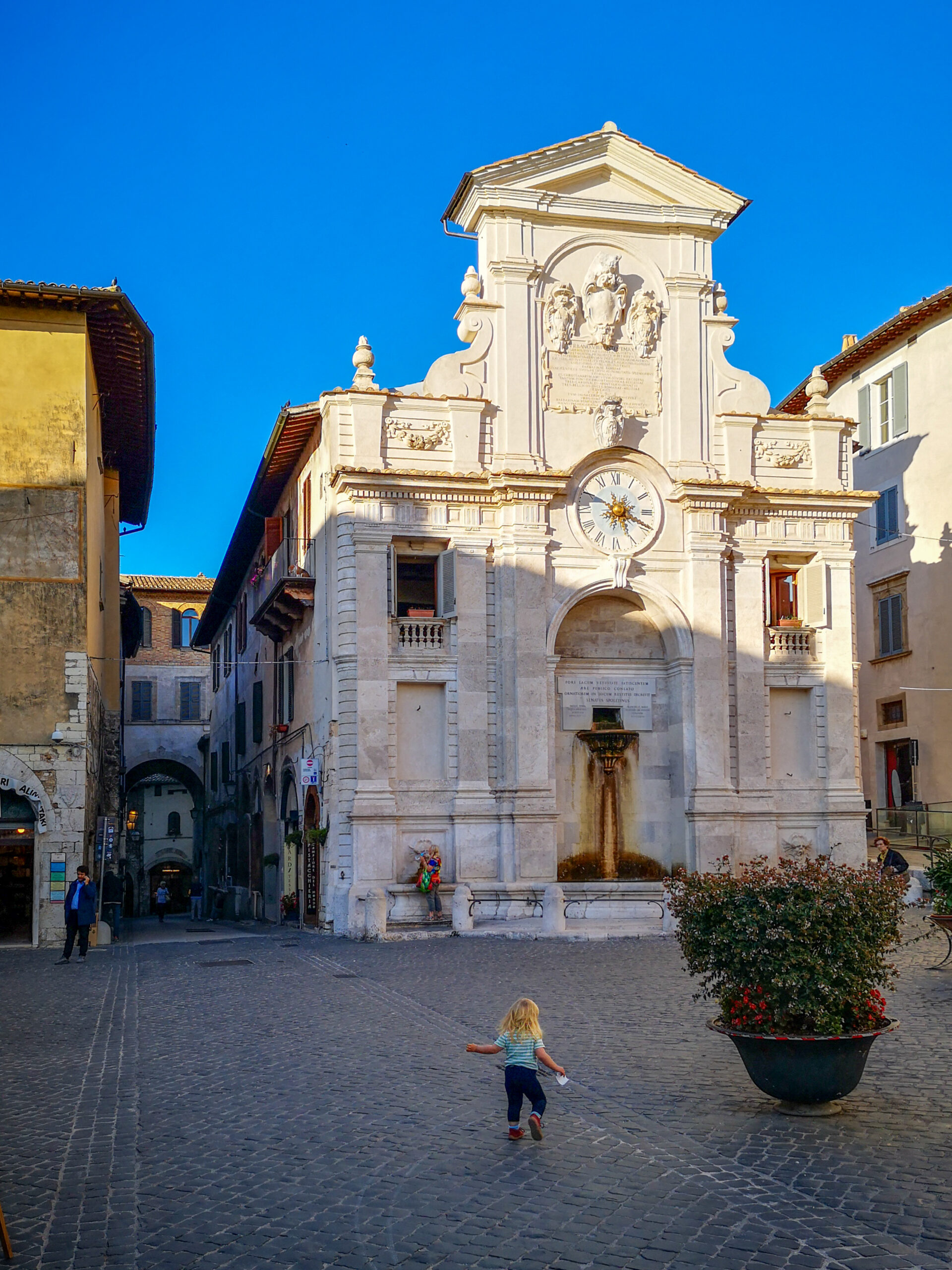
Descending further, don’t miss the Duomo di Santa Maria Assunta with its magnificent cathedral square — one of the most beautiful urban spaces in Umbria. From here, continue towards Piazza del Mercato, home to the historic Fontana con l’Orologio, and take a break with a slice of pizza or a gelato while watching local life unfold.
An alternative way to explore Spoleto is by following the trail of “Sculture nella città” — sculptures placed throughout the city for an open-air exhibition in 1962, connected to the now internationally renowned Festival dei Due Mondi. Several of these works are still visible today. Those interested in the festival’s history can visit Casa Menotti, near the cathedral, which hosts a small but engaging museum dedicated to the event.
Culinarily, Spoleto is the perfect place to try a frittata al tartufo — a simple egg dish enriched with black truffle. The town is also known for its dry white wine made from Trebbiano Spoletino, a local grape variety worth seeking out.
If time allows, a short detour leads up to Monteluco, with its Franciscan convent, shaded walking paths, and spectacular views back over Spoleto — a calm, green counterpoint to the intensity of the historic centre.
🌿 Where to stay
-
La Torre Affittacamere
Housed in a medieval tower right by the escalators to the historic centre, this small guesthouse combines a highly practical location with real character. Rooms with breakfast and family-friendly apartments are available; parking is about five minutes away on foot. A distinctive and very convenient base for exploring Spoleto. -
Volver B&B
Central location close to the historic centre, with beautiful views and a garden.
Offers rooms and apartments, and — a real plus for Assisi — on-site parking despite the proximity to the centre.
🍽️ Where to eat
-
La Torretta
Just a few steps from the cathedral square, La Torretta is a relaxed and reliable choice for Umbrian cuisine. The menu changes regularly, focusing on seasonal, regional dishes at fair prices. In summer, the small outdoor terrace is perfect for a quiet dinner after exploring the old town. -
La Sinfonia
For a special dinner just outside Spoleto, La Sinfonia combines outstanding Umbrian cuisine with a panoramic terrace overlooking the hills. It’s an ideal spot for a slower, more refined evening. The restaurant is part of an agriturismo and also offers rooms, making it a great option if you’d like to stay overnight in a peaceful setting.
🍦 Best ice cream
Crispini Pistacchieria
Right in the historic centre at the Fontana con l’Orologio. A true paradise for pistachio lovers, with an impressive range of pistachio gelato variations – rich, creamy, and intensely flavoured. Perfect as a sweet break while exploring the city.


🥾 Experiencing the landscape in motion
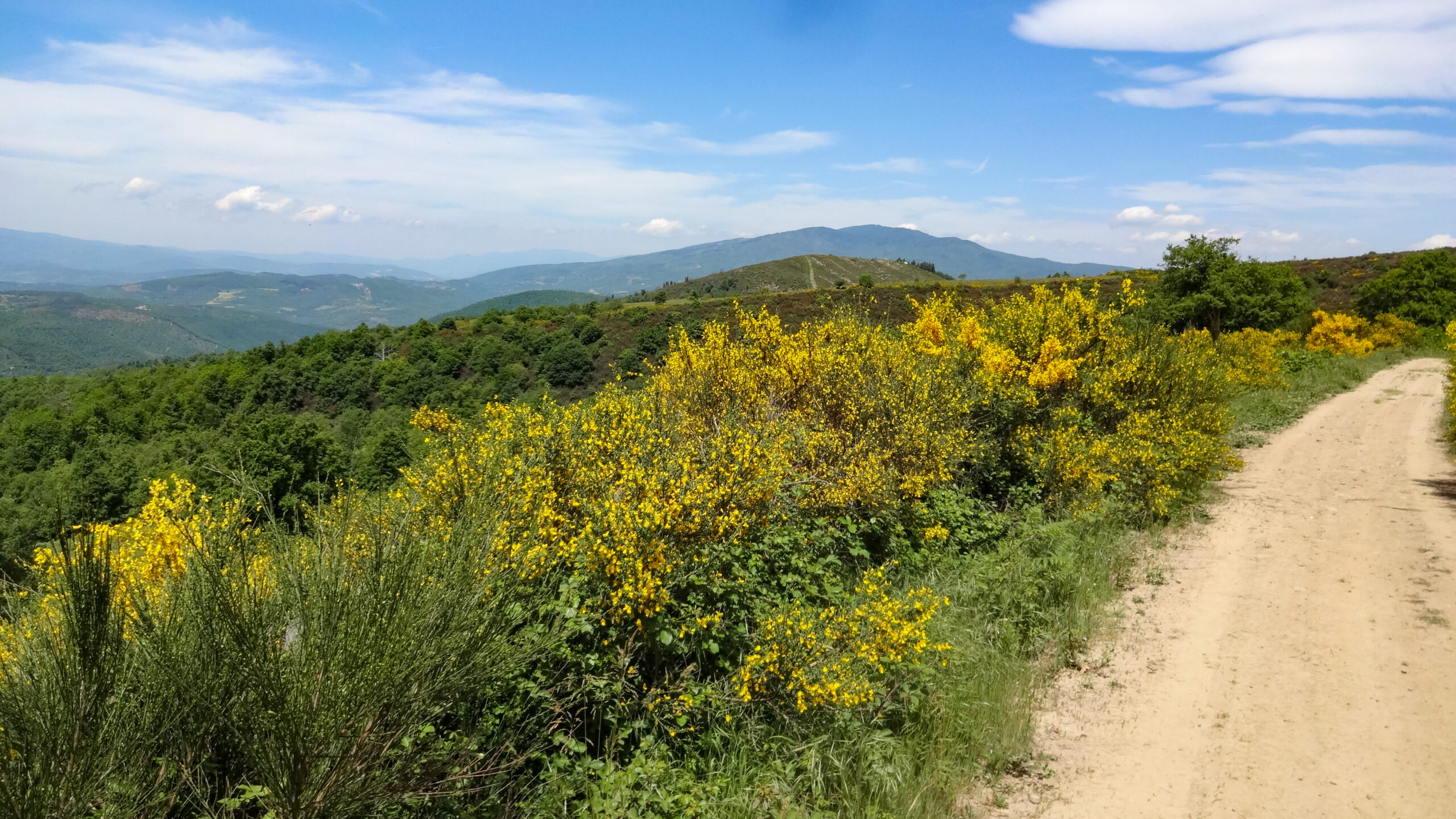
What makes this region so special is that you never have to choose between cities, history, and culture on the one hand, and nature on the other. Both are deeply intertwined and easy to combine. The entire area is covered by a dense, well-signposted network of paths, offering routes of varying length and difficulty — ideal for walking, hiking, and all kinds of cycling.
From mountain bike routes in the hinterland of Anghiari to short walks such as the trail to the Eremo delle Carceri (Assisi), from full-day hikes on Monte Subasio starting directly from Assisi to the cycling route between Assisi and Spoleto, as well as exploration loops around Spoleto itself (e.g. Giro dei Condotti) — there are options for different fitness levels, interests, and time frames. It is very easy to rent bikes in every town or, if you are traveling as a family, a guided bike tour could be a great choice for you.
Moving through the landscape in this way allows you to experience the region beyond its towns and landmarks. It is an invitation to understand how villages, valleys, and hills relate to one another — and to gain a deeper, more grounded sense of place by discovering the countryside that connects the selected stops rather than rushing past it.
🧭 Finding the right base
A basecamp approach with one or two home bases makes particular sense if you are not just travelling from place to place to tick off sights, but want to gain a more genuine impression of the landscape and everyday life. Staying put for a few nights allows rhythms to emerge: returning to the same café, recognising roads and views, and experiencing places beyond their highlights.
At the same time, this way of travelling still creates a real sense of holiday. Less time spent packing and unpacking means more space for long breakfasts on a sunny terrace, a relaxed swim in the pool, or an evening walk around your accommodation — small moments that often define how a journey is remembered.
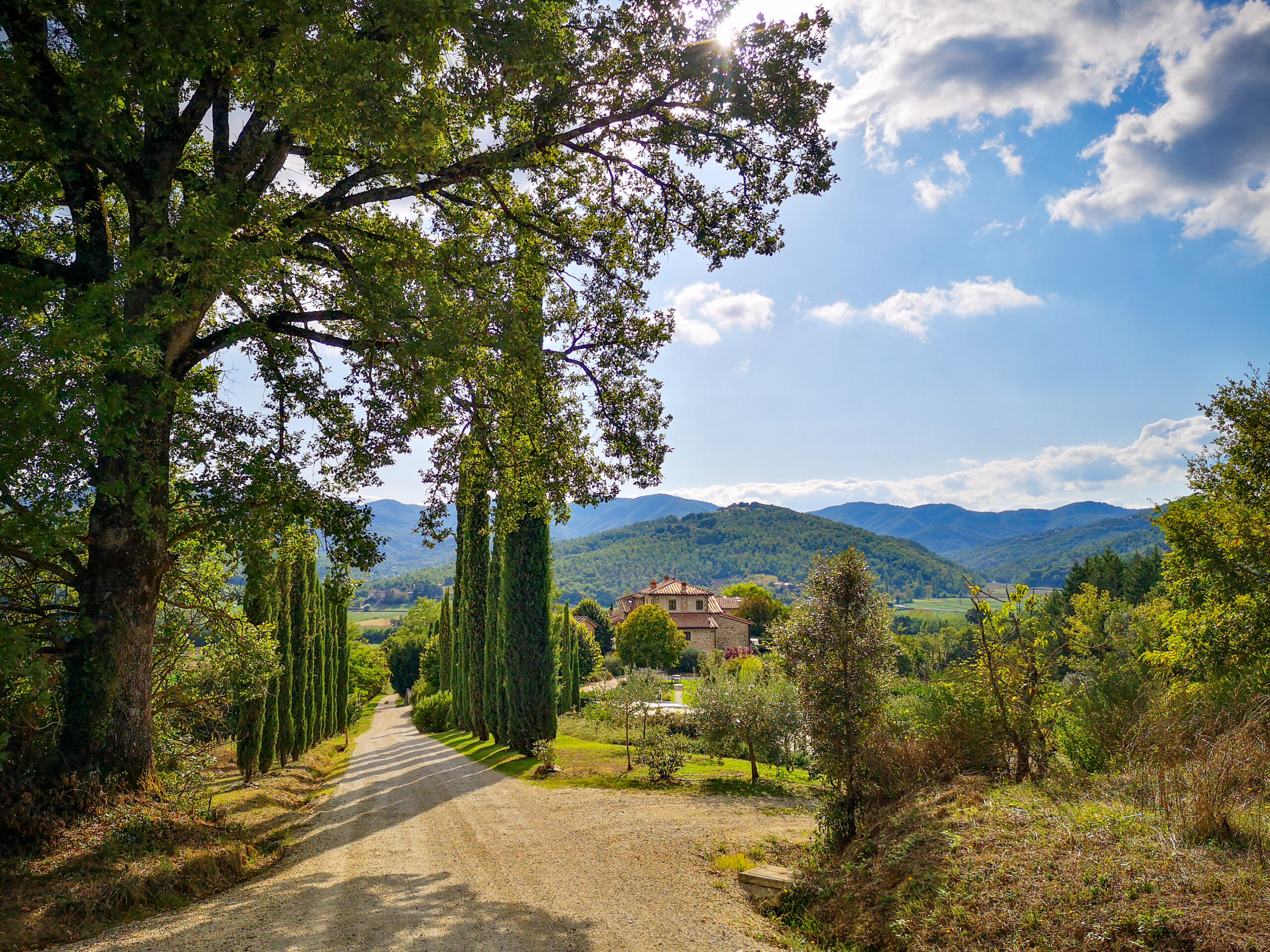
Agriturismi play a key role in making this approach work so well. Often set just outside towns, they combine peaceful surroundings with easy access to cultural centres, walking trails, and local restaurants. Pools, gardens, and on-site wine or olive oil production turn them into places where time naturally slows down — ideal for coming back after a day of exploring.

Immersed in nature but many times still within walking distance from restaurants or café’s: That’s why agiturismi (here the Cardo Resort in Anghiari) are a safe bet for accomodation.
One base: Assisi
Assisi works exceptionally well as a single base, particularly for shorter stays. Located in the heart of the Valle Umbra, it allows for easy day trips not only to nearby places such as Spoleto, Montefalco, and Bevagna, but also northwards into the Upper Tiber Valley, including Anghiari and its surrounding villages. Monte Subasio and its walking trails start right at the edge of town, making it easy to combine cultural visits with time in nature.
That said, Assisi is also one of the most visited places in the region. This is something to be aware of when choosing it as your main base, especially during peak season. However, by staying slightly outside the historic centre — for example in a small agriturismo or a quiet guesthouse on the hillside — it is still possible to enjoy a calm atmosphere while having the city’s highlights within easy reach.
Two bases: Anghiari and Assisi
For a more balanced journey, combining Anghiari and Assisi is an excellent option. Anghiari provides space, views, and access to the Upper Tiber Valley with its quieter towns and open landscapes, ideal for walking and cycling. Assisi then adds cultural density, history, and a different rhythm. The contrast between the two is noticeable, yet travel times remain short.
Two bases: Anghiari and Spoleto
An equally appealing, slightly less obvious combination is Anghiari with Spoleto. This pairing shifts the focus a little further south and towards the transition into the Valnerina. It works particularly well for travellers who enjoy historic towns, gentle exploration, and landscapes that gradually become more mountainous — without the need to include every major highlight.
A note on camping
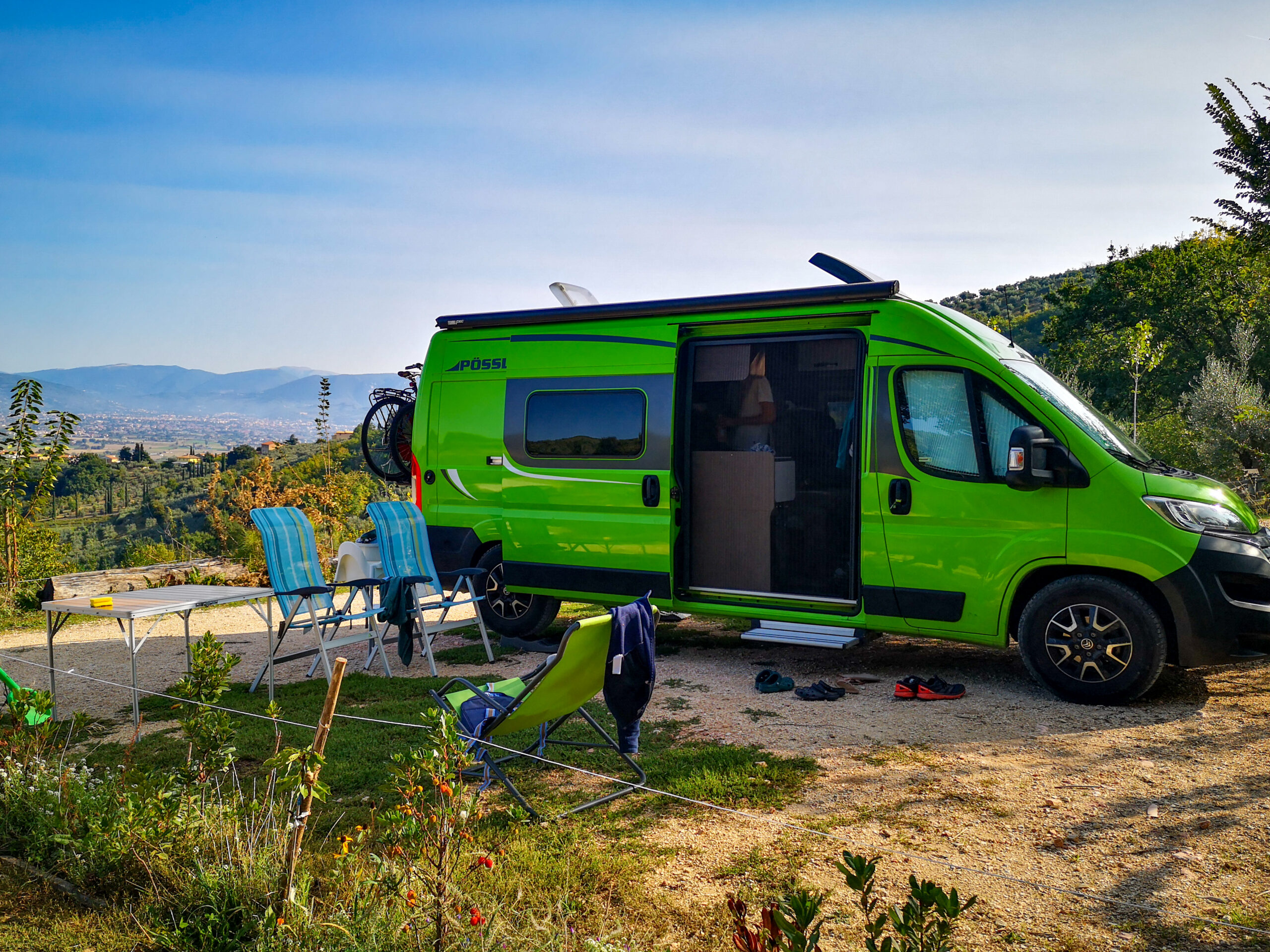
For those travelling by campervan or looking for even more flexibility, the region is also well suited to camping. Small campsites and simple, well-located motorhome stopovers are scattered across the valleys and hills, often with beautiful views and easy access to towns or walking routes. Detailed recommendations would easily fill a guide of their own, but even as a temporary solution, camping fits naturally into this slow, base-oriented way of exploring.

A working farm, possibility for home-made local dinners and incredible views towards Monte Subasio and Assisi – Fattoria Giorgetti in Montefalco.
Final thoughts
This part of Central Italy is best experienced with focus rather than speed. Between valleys, hill towns, and open landscapes, it invites you to settle in, explore gradually, and let places reveal themselves beyond their highlights. Instead of ticking off sights, the region rewards those who stay a little longer and move through it with curiosity and ease.