
🧭 How we almost skipped Lisboa (again)
Lisbon as a family wasn’t something we had actively planned.
We’ve travelled a lot through Portugal over the past years — after all, it’s home for us. Yet somehow, Lisboa never made it onto our list. Every time the chance came up, something stood in the way: a heatwave, a too-small child, or simply the feeling that the city had changed too much.
Friends, especially Portuguese ones, often told us that Lisboa wasn’t what it used to be — too crowded, too gentrified, too international, too much of everything. And honestly, we’re not exactly city people. We tend to prefer small towns, quiet coastlines, long drives through the Alentejo, or a few lazy days somewhere in nature. Porto had already won us over some years ago — so why would we need another big city?
But then came October. Four free nights, a three-year-old who could finally walk everywhere herself — and a growing curiosity. We had countless tips from friends who grew up or studied in Lisboa, and at some point, we simply thought: maybe now is the time.
The only question was — where to stay? With a child and a car, in the middle of the city? Hmm. I almost booked a lovely wellness hotel, forty minutes away by bus — the perfect compromise, I thought.
Until a friend said: “That’s not Lisboa. You have to stay in the middle of it all. Especially with a kid.”
So we did. We booked a small apartment-style hotel right in the heart of Alfama — and it turned out to be the best decision of the trip.
🌇 Arriving in Alfama: chaos, charm & our first surprise
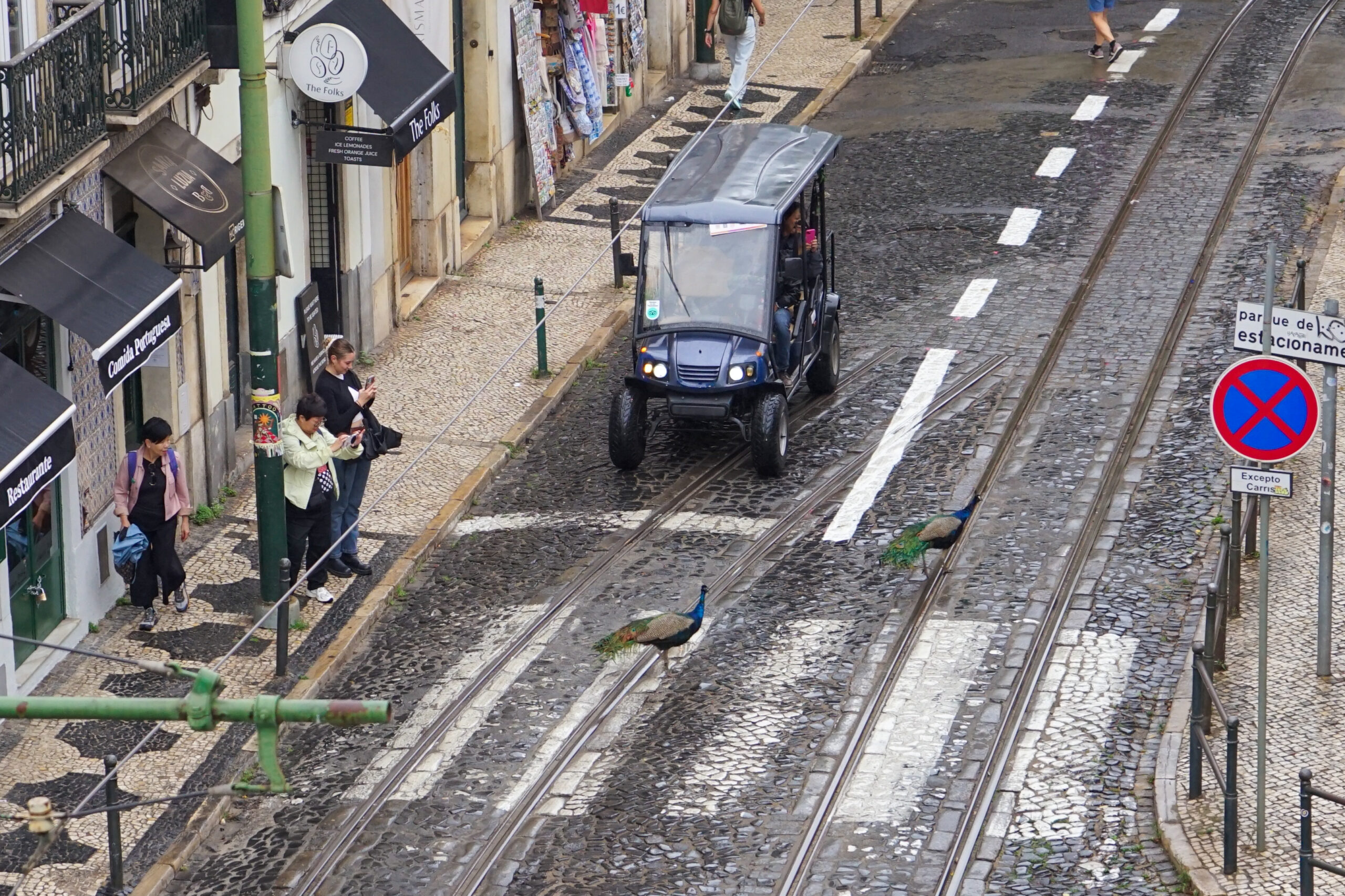
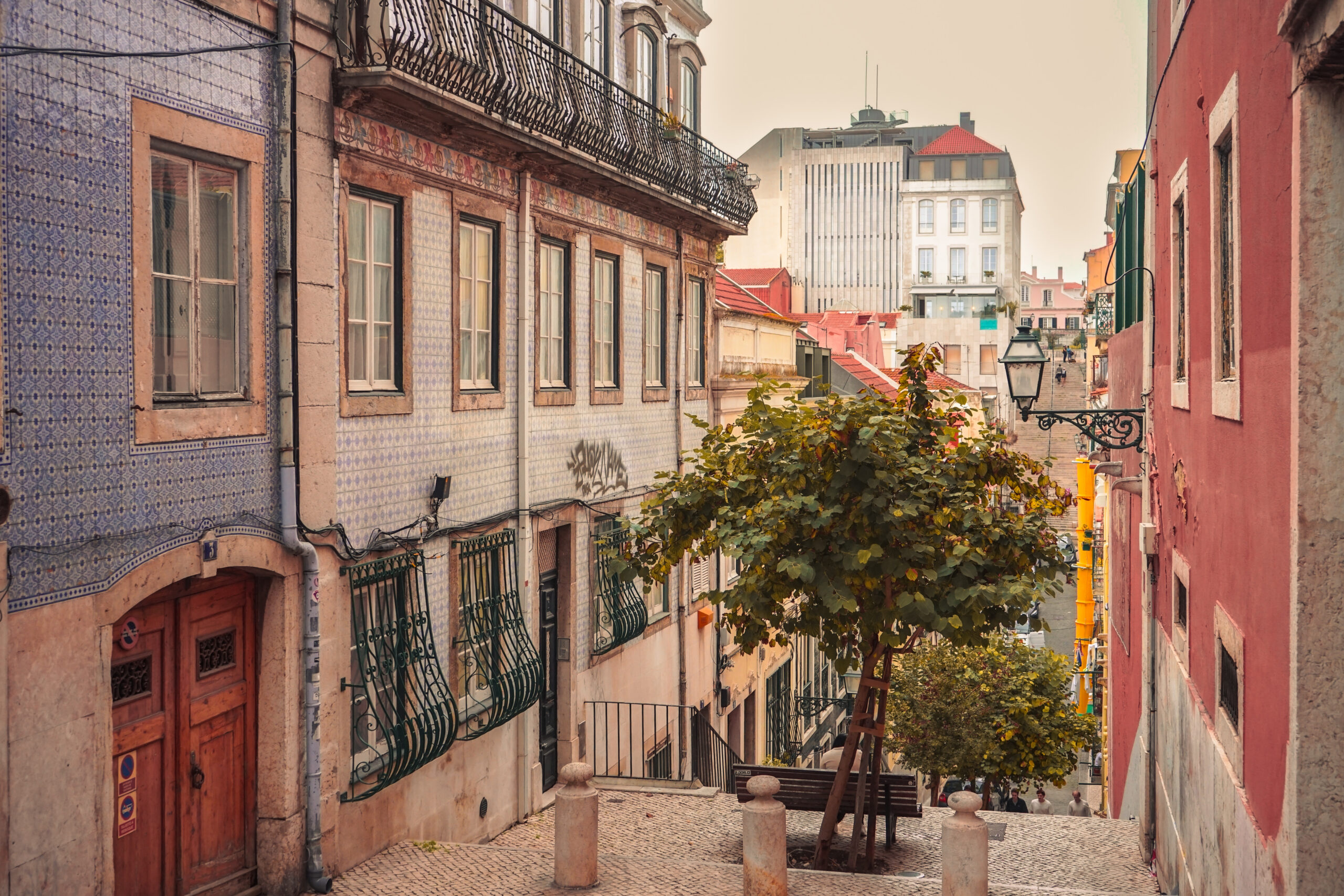
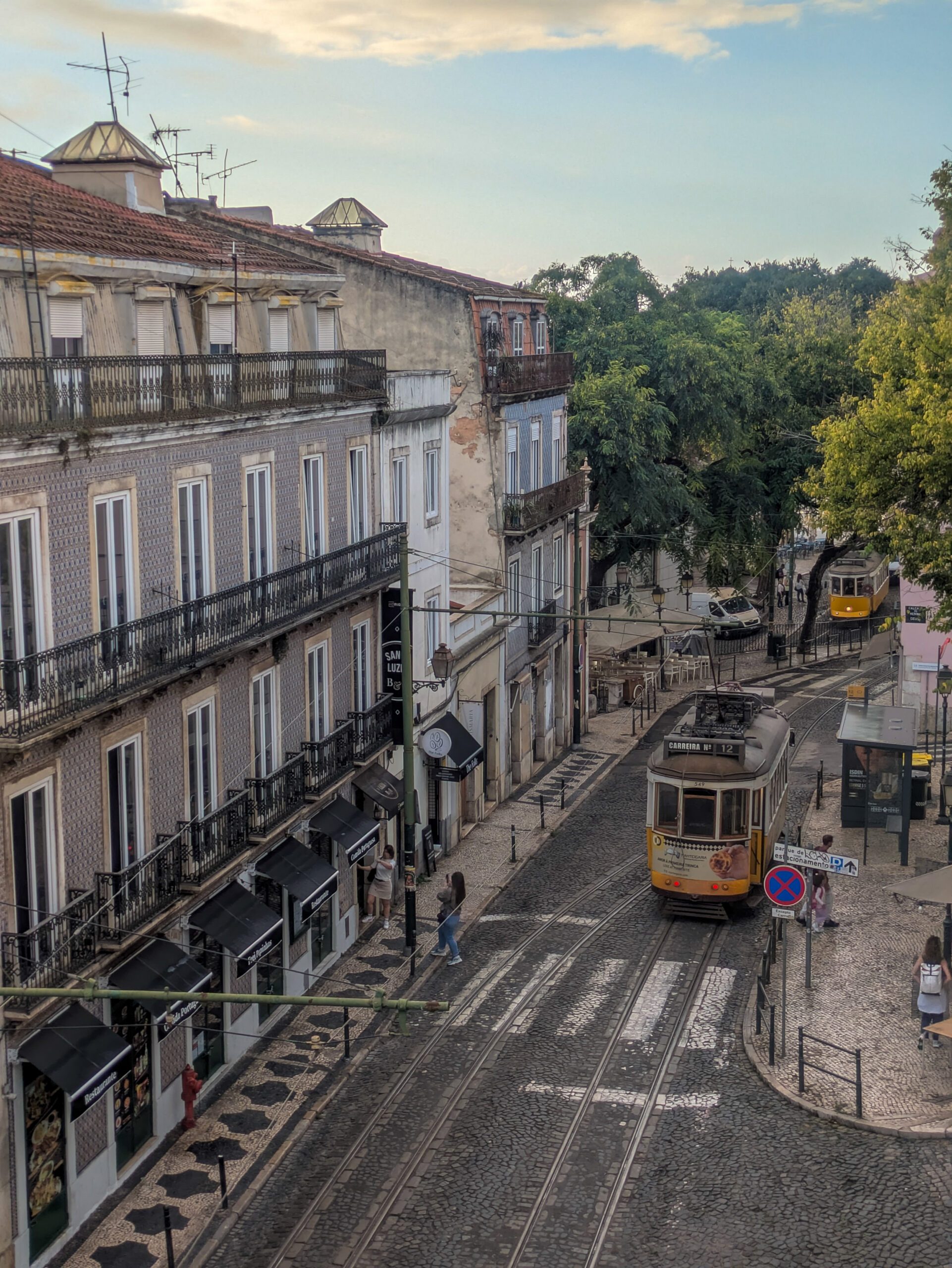
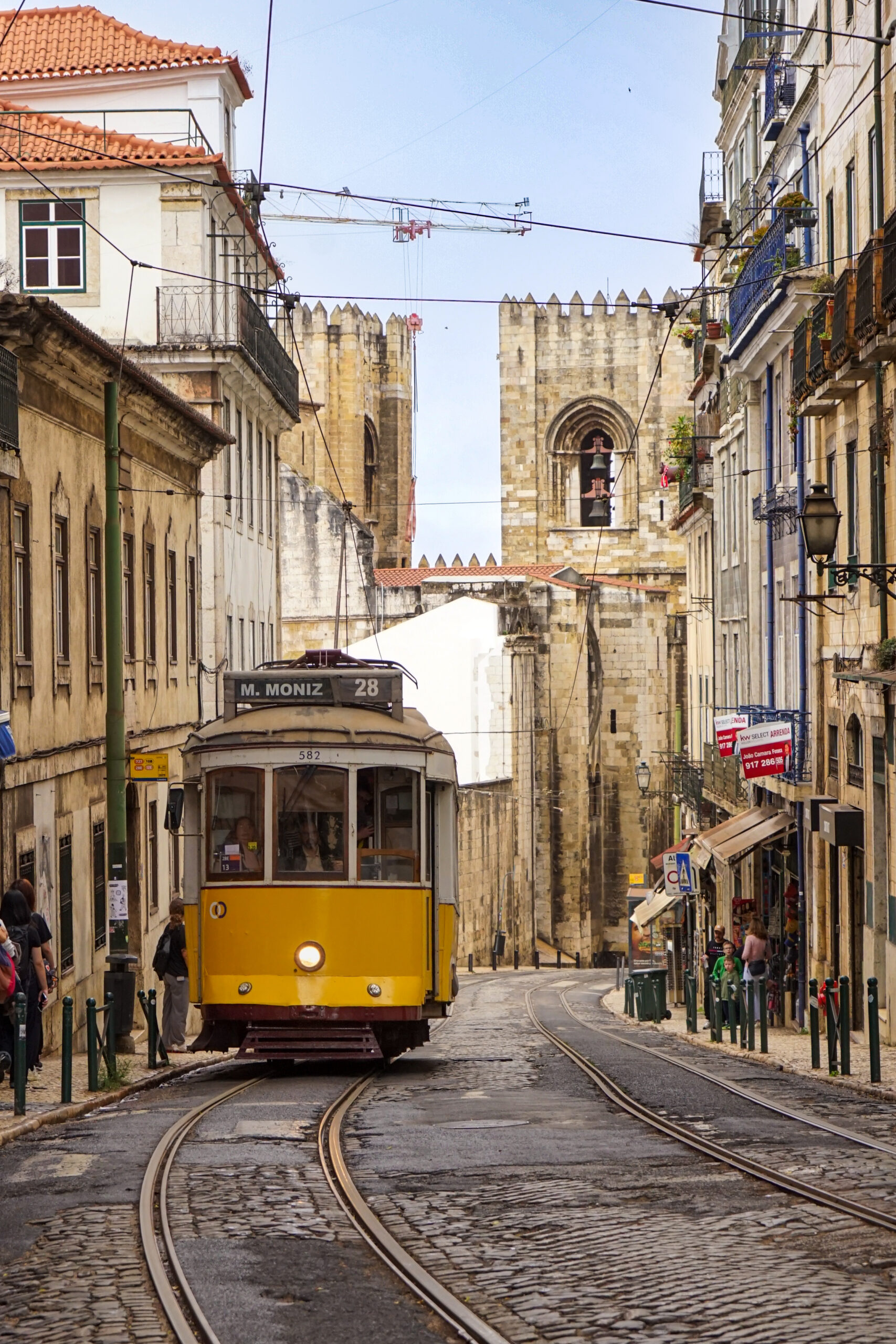
We had no idea what we were getting into. Arriving by car seemed simple enough – park nearby, stop briefly at the hotel, unload. But our accommodation sat high up in Alfama, on a narrow street shared by Tram 28, tuk-tuks, taxis and endless streams of people. Reaching the door felt like navigating a moving obstacle course.
By sheer luck we managed to pause long enough to unload before parking the car for the rest of our stay. What we didn’t unpack was the buggy. One glance at the steep hills, tram tracks, stairs and cobblestones made that decision for us. More on that later.
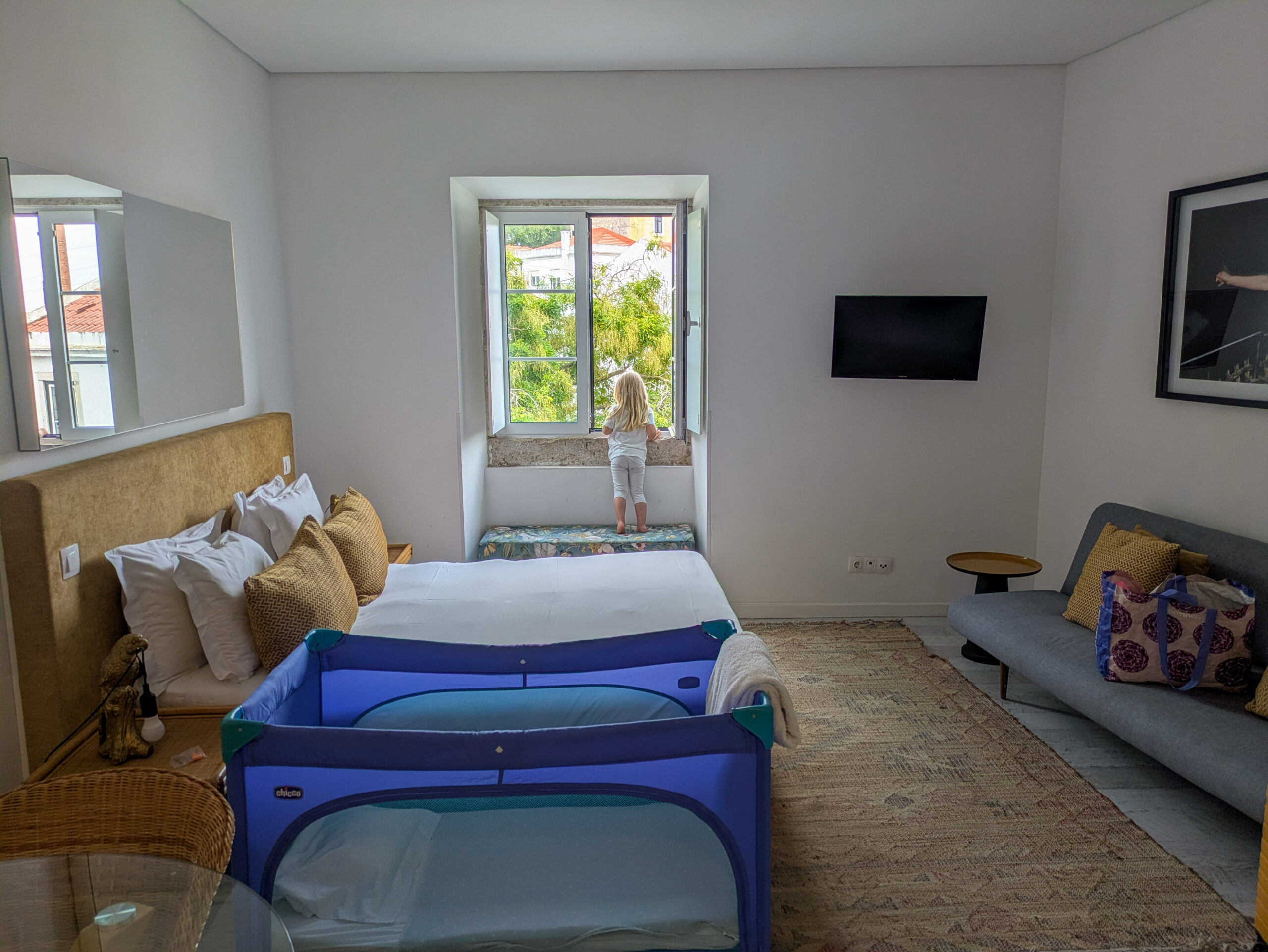
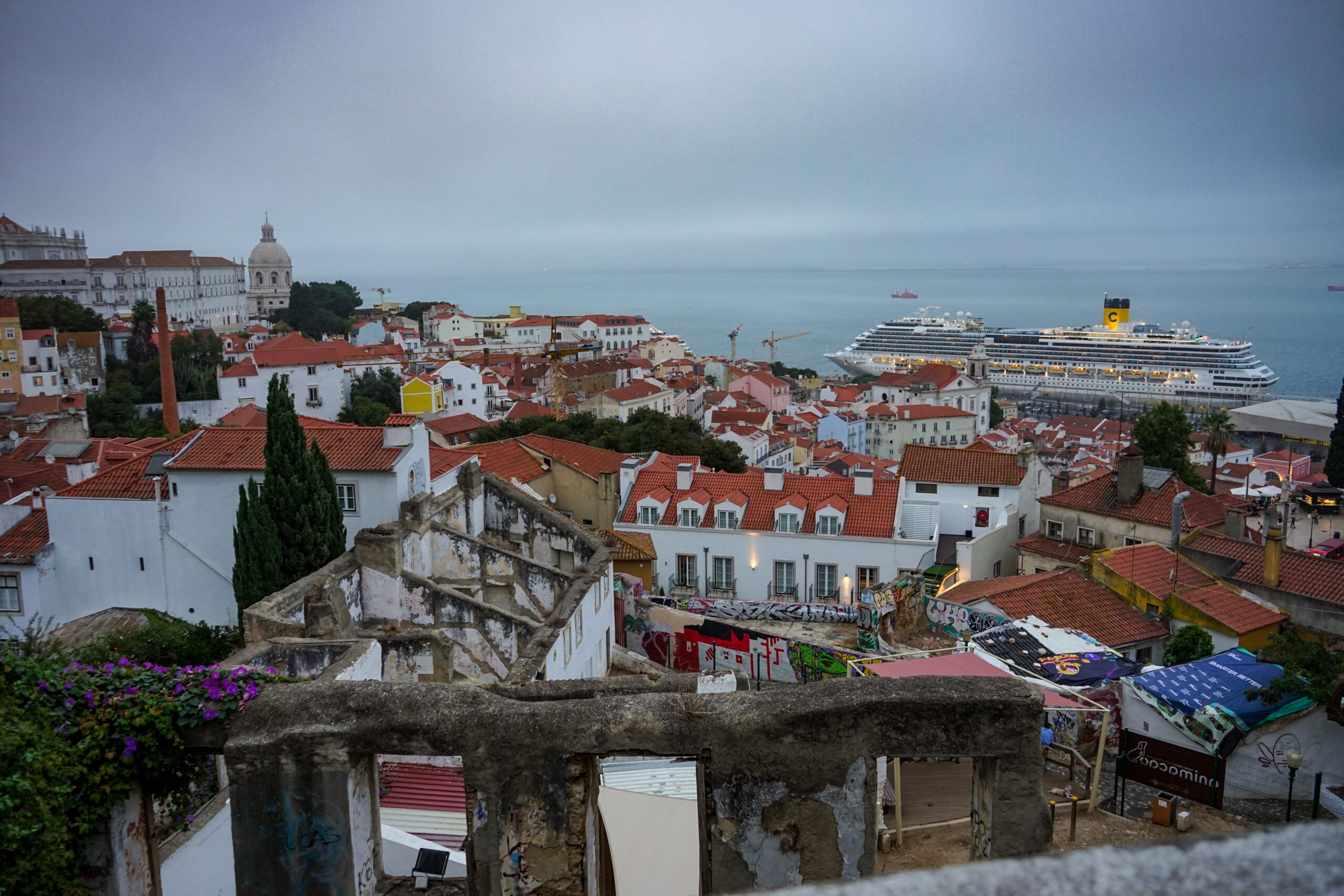
Our room came with a small kitchen and dining corner, perfect for easy meals with a child. The real highlight, though, were the large windows overlooking Alfama’s rooftops, the Tagus and the yellow tram passing right below. Our daughter could have watched that view for hours.
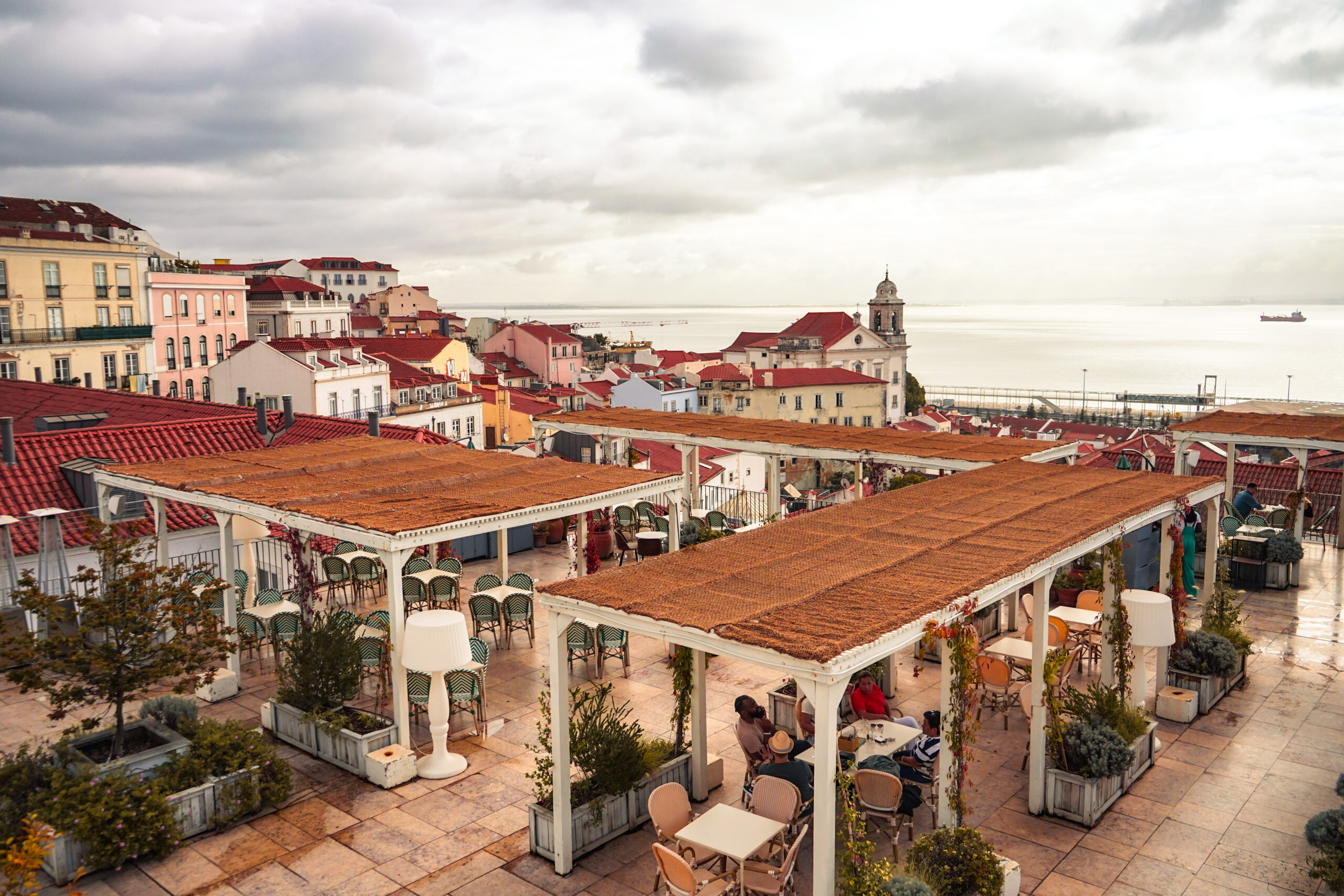
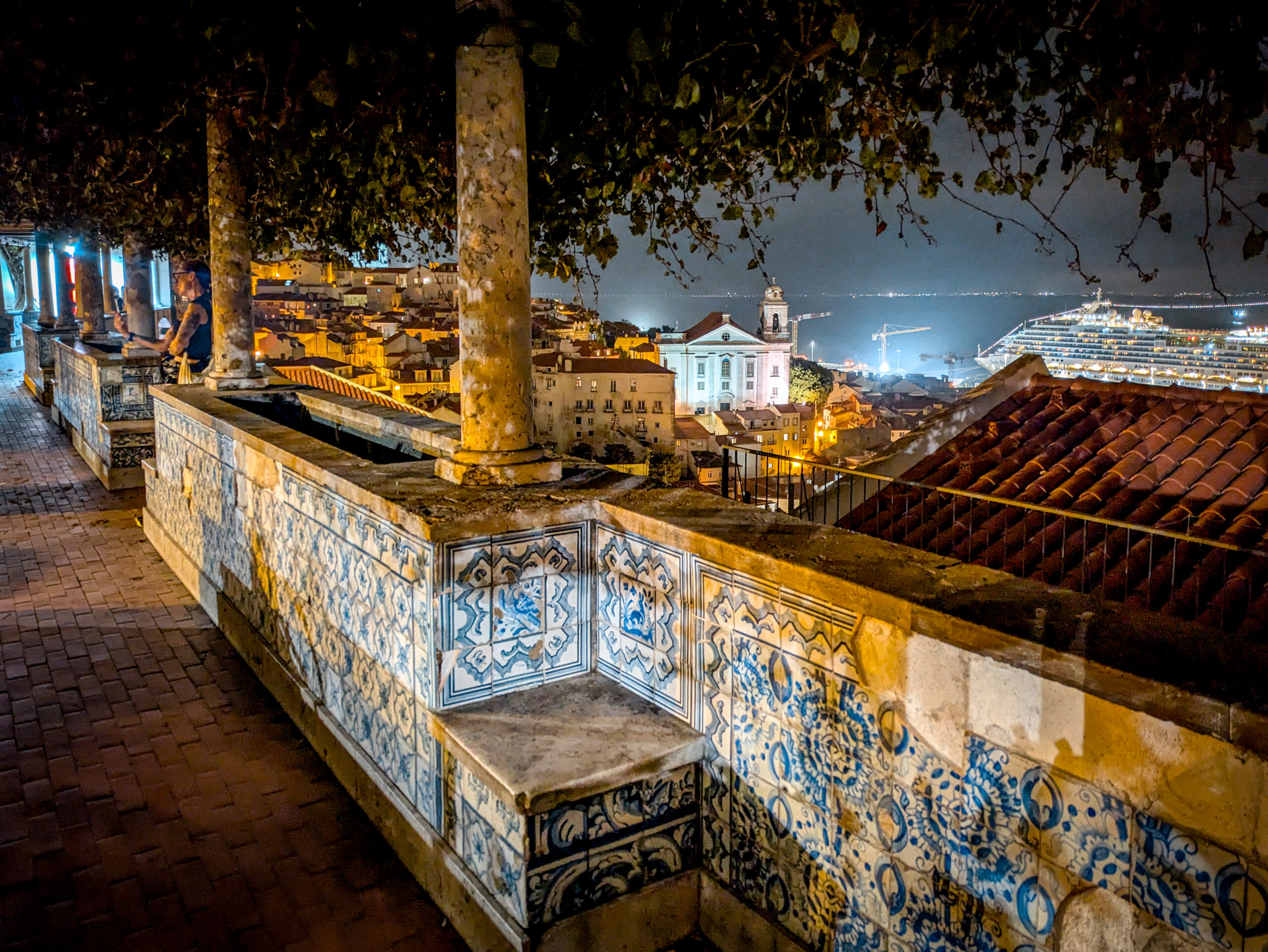
At dusk we headed out for our first walk. Just a few minutes away, we found a playground – not just any, but one perched at Miradouro do Recolhimento near Castelo São Jorge. While our daughter climbed and ran around, we watched the lights spread across the city. A local mother sat beside us nursing her baby, pointing to her tiny townhouse next to the viewpoint. Her dog lounged on the wall, lazily observing the playground.
A small and quiet moment that made us excited for what was to come.
💛 How we experienced Lisbon as a Family
Lisbon works unexpectedly well with kids. The mix of movement, culture, street life and spontaneous moments creates days that feel light — even with a young child in tow. Check out the main reasons why it worked so well for us:
Carrier instead of stroller
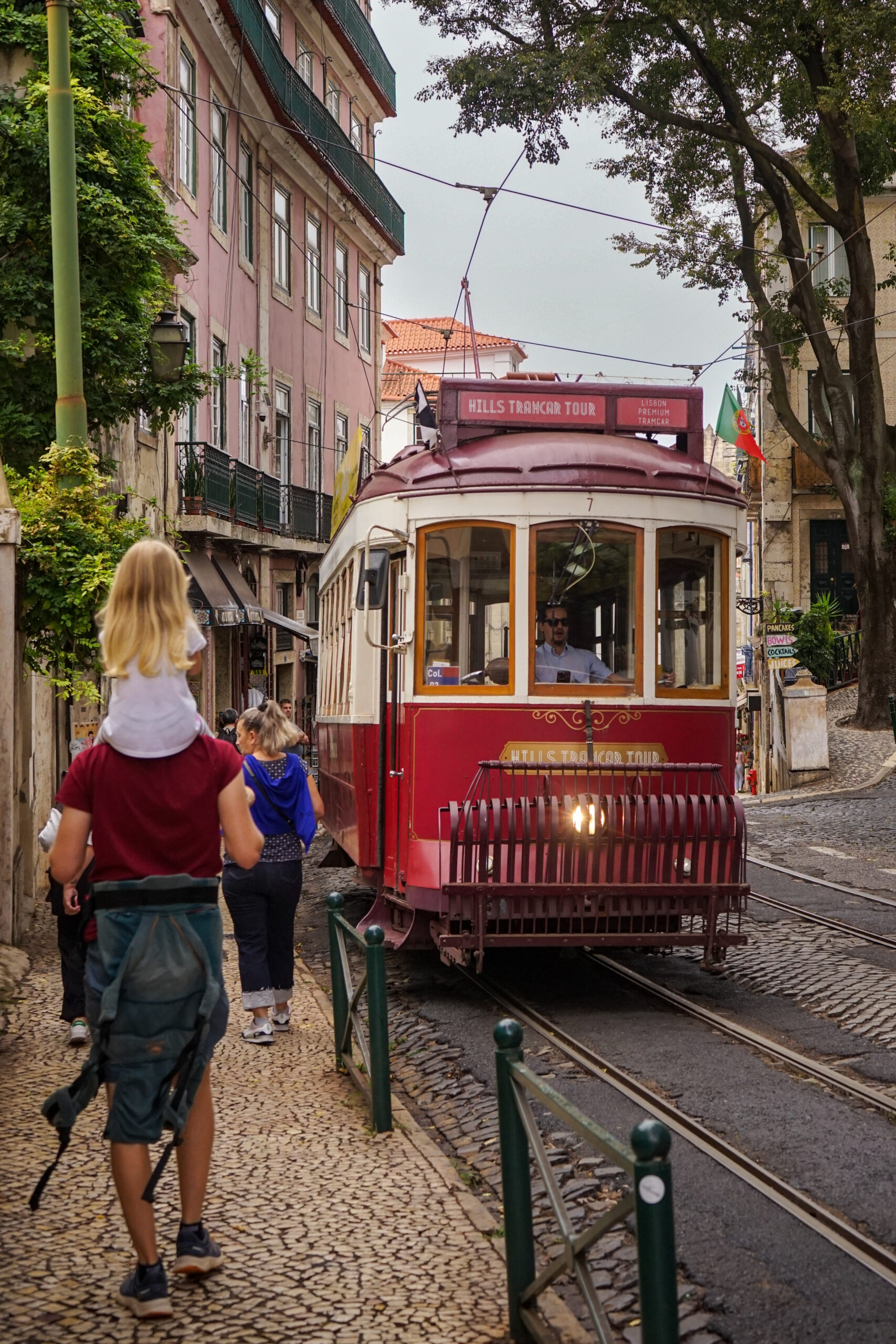
Lisbon is hills, stairs, tram tracks and cobblestones — a combination that makes strollers possible, but rarely pleasant. Of course, if you stay mainly in Baixo or Chiado and you still have an infant that naps a lot, it can be an option for you.
But a carrier keeps things simple: foldable, flexible, fast. Our 3.5-year-old even napped in it a couple of times, which meant we could wander the city at our own pace without planning the entire day around breaks. Mobility first, stress second. And yes, she is heavy, but if you have a decent carrier, it’s like carrying a heavy backpack.
Playgrounds everywhere
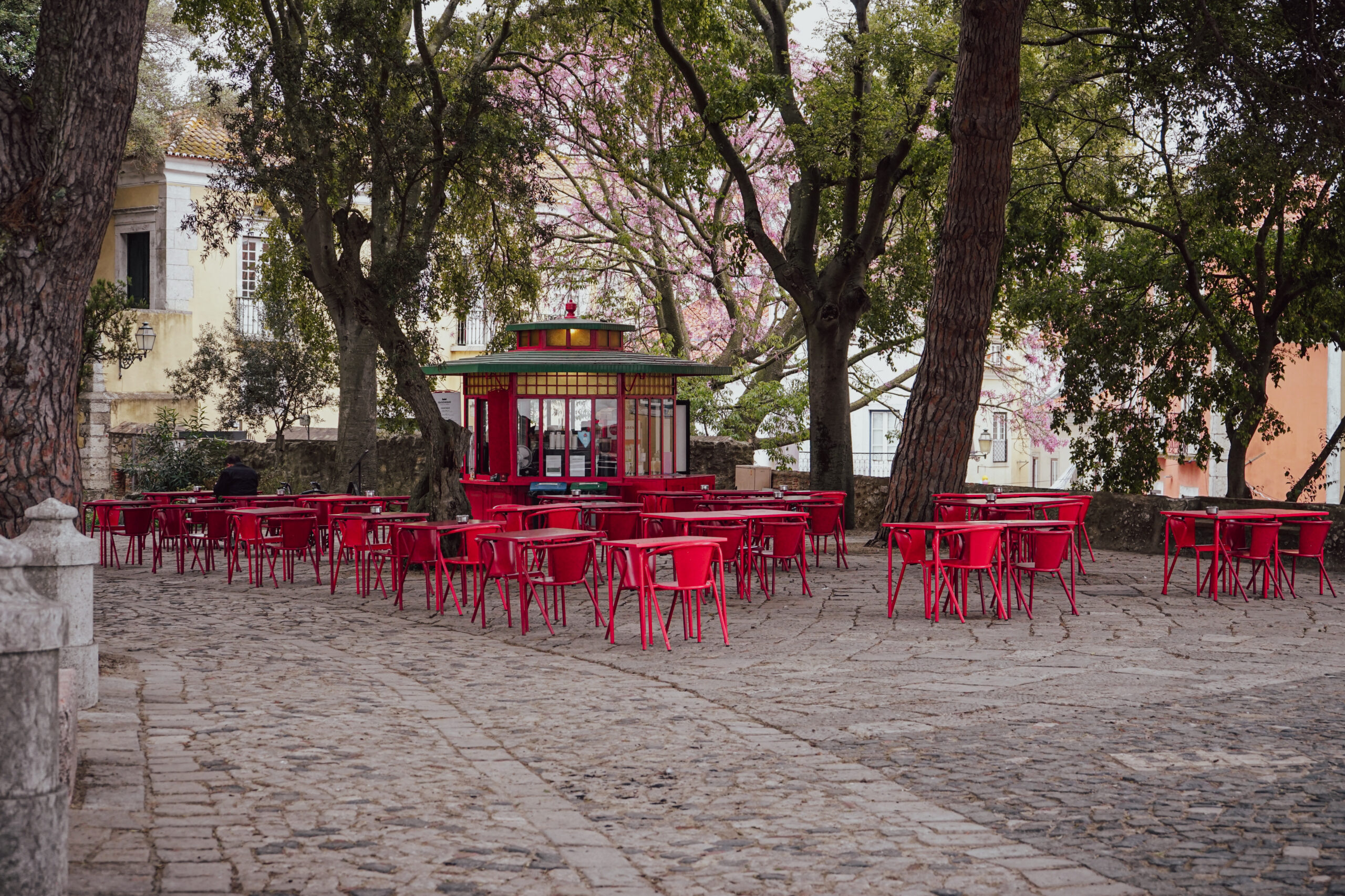
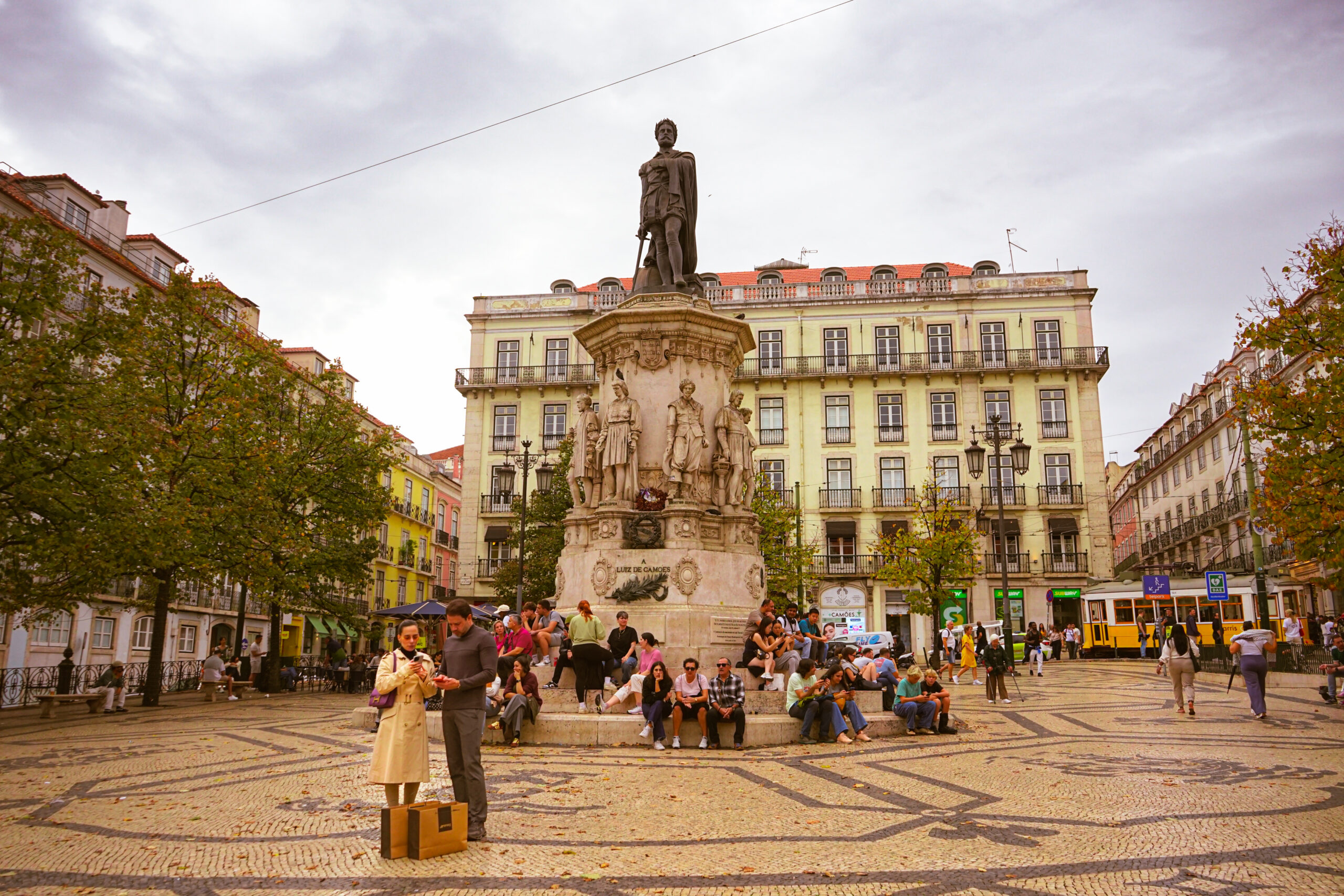
There are more playgrounds in the city center than you expect. Praça Dom Luís I, just steps from the Time Out Market, is only one example. Many playgrounds sit right next to viewpoints, and almost all come with a small quiosque nearby.
It’s a rhythm that works naturally: the kid plays, the parents rest with a drink, and the day keeps its momentum.
Culture is easy with kids
Lisbon’s museums are surprisingly approachable for families — short narratives, strong visuals, digestible spaces. You rarely need to think in terms of “kids’ activities,” because most experiences are inherently engaging.
A good example is the Fado Museum, where children get their own mini audio guide. Other easy wins include the Puppet Museum, the Earthquake Museum, and countless smaller exhibitions that can be done in 20–40 minutes. The National Tile Museum is worth knowing about too, but it is currently closed for renovations, so check before planning a visit.
Right outside the Fado Museum you’ll find Brunch & Bites Alfama — a big open square where kids can run while adults refuel.
Public transport as entertainment
For kids, Lisbon’s public transport is an activity, not logistics. Trams, buses, metro — every ride feels like part of the adventure.
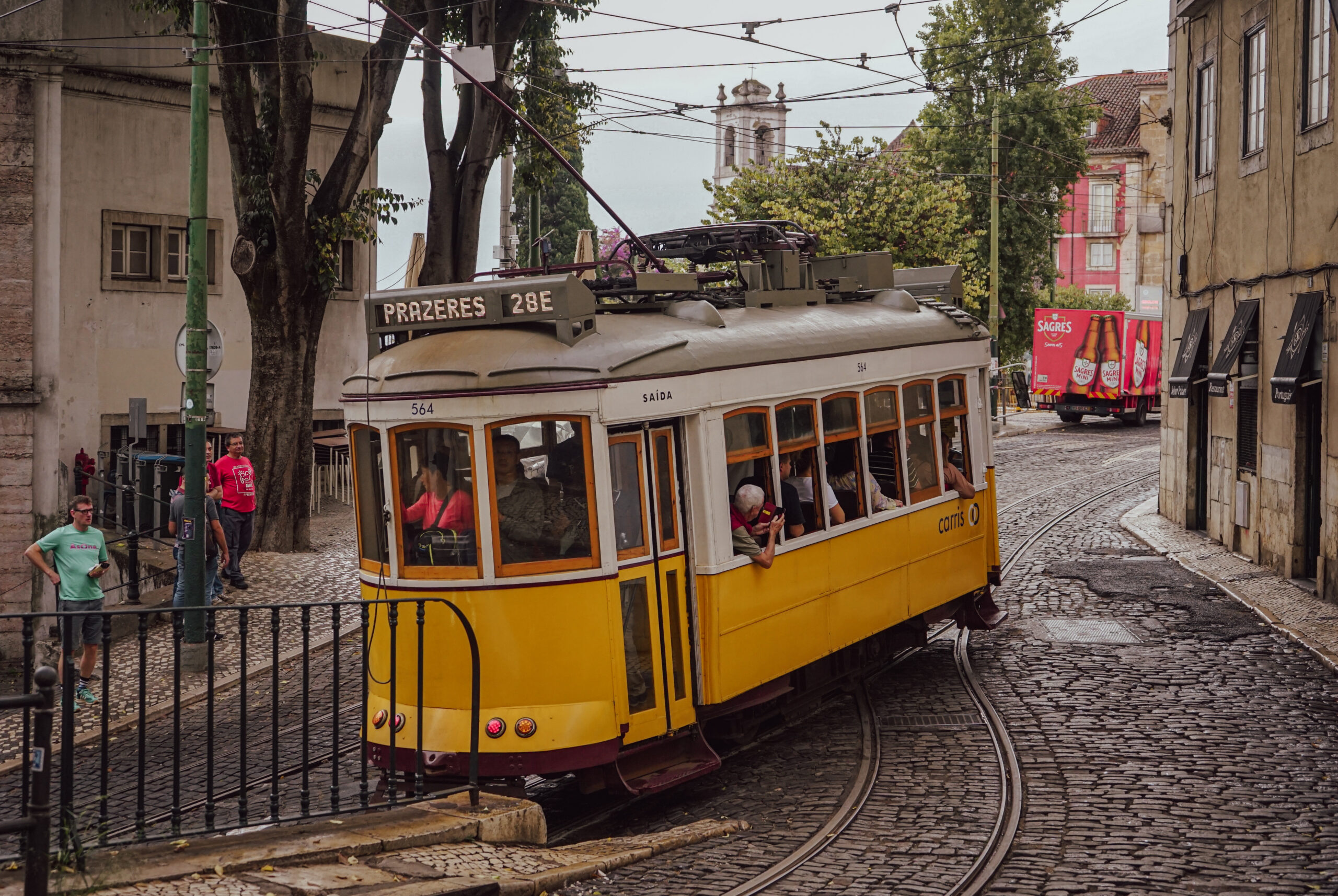
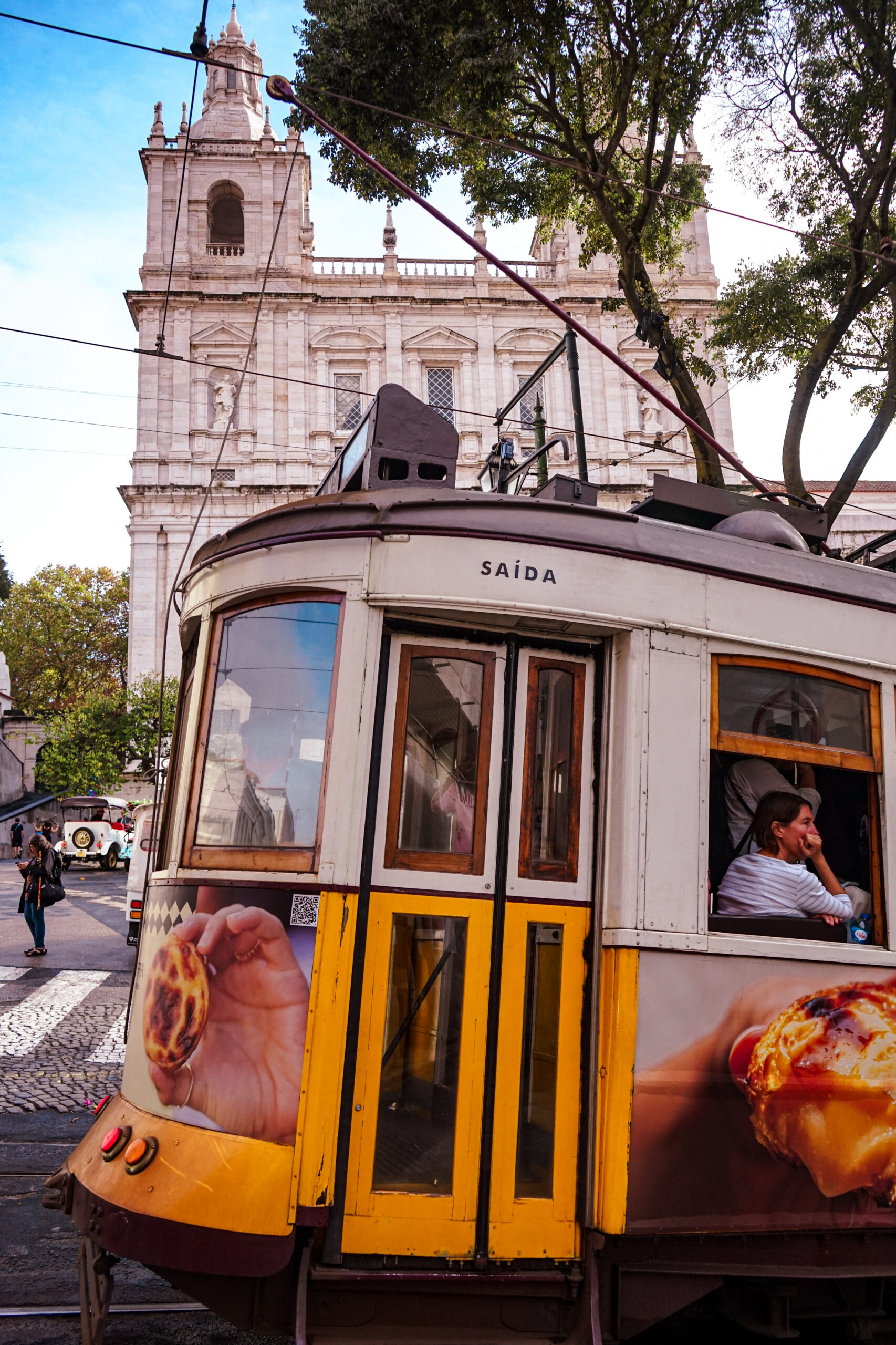
We used trams 12 and 28 frequently; sometimes they were full, sometimes almost empty. It’s unpredictable, but that’s part of the charm. Tip: board one or two stops before or after the big attractions or major stops like train stations. Even short rides often became highlights of the day.
Oceanário — highlight for good reasons
A place that amazes adults and children alike. Realistically you’ll spend at least 2.5 hours here, often more. Bring snacks; afterwards you’ll find plenty of casual food options nearby.
In my opinion it’s a must see when in Lisbon whether with kids or without.
Eating out is so relaxed
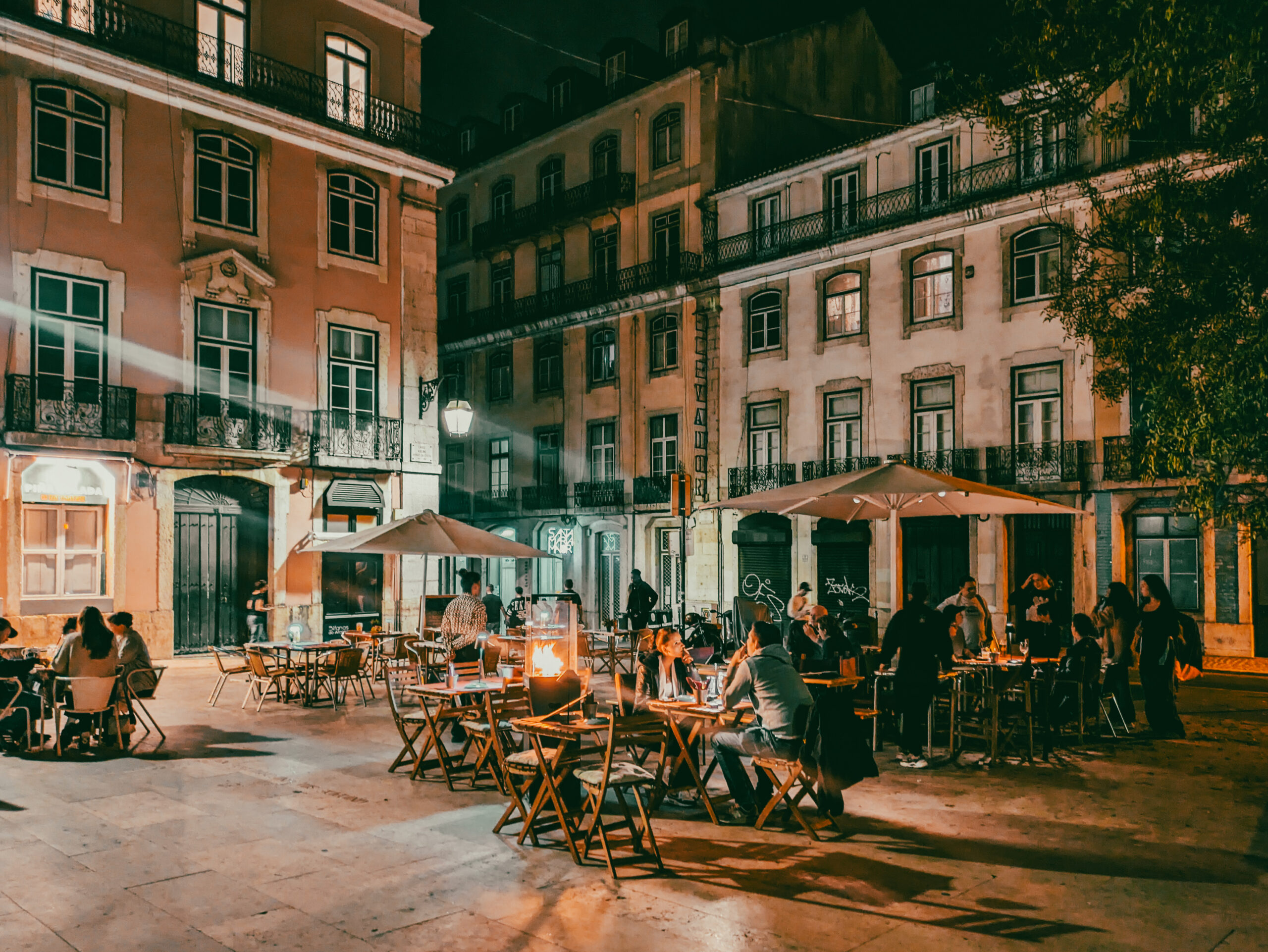
Portugal is exceptionally child-friendly, and Lisbon is no exception. Sitting outside in the evening — even in late October — feels normal, easy and safe.
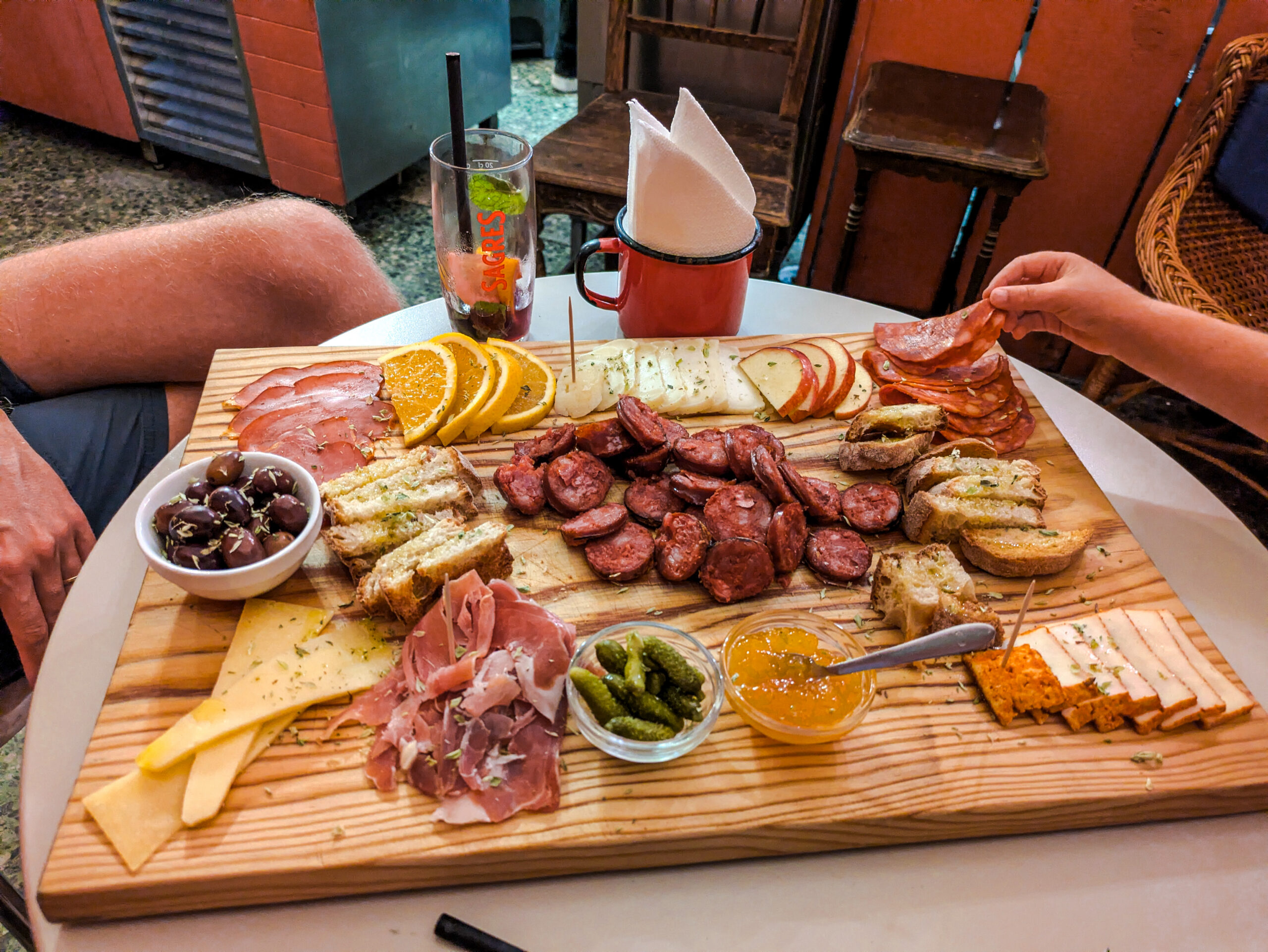
One of our favorite moments was at Ginjinha da Sé: a big tábua, a glass of sangria, and a child happily watching people pass by or playing with the waiter. No rushing, no “are we disturbing anyone?” — just life happening around you.
Monuments kids can move through
Children often just need space — and many of Lisbon’s monuments offer exactly that.
- Castelo de São Jorge with its peacocks, walls and sweeping views.
- Mosteiro dos Jerónimos with its wide corridors and cloisters.
- The bright, open Panteão Nacional.
- Torre de Belém, where kids can climb, explore and enjoy the riverside setting.
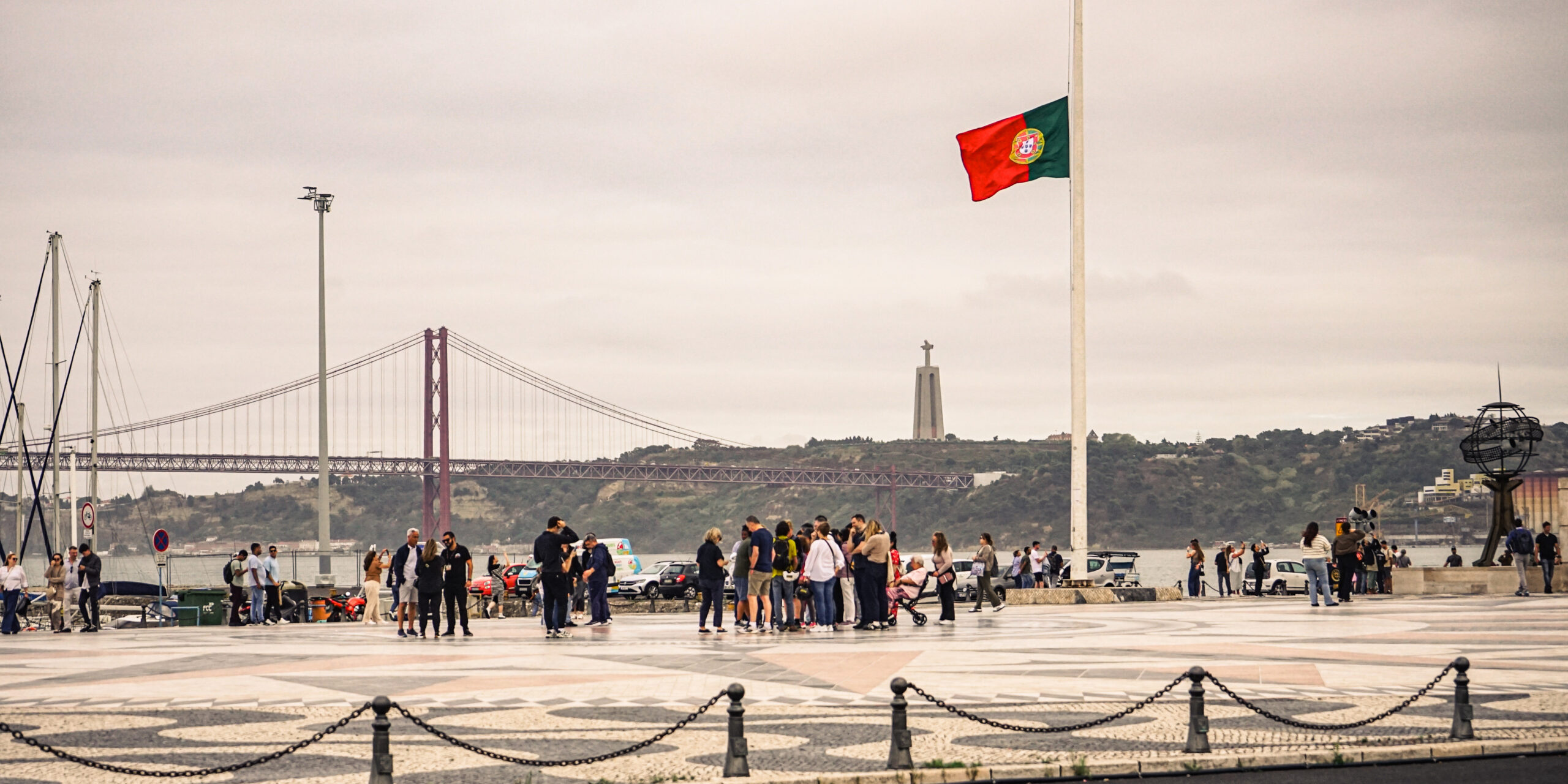
- Padrão dos Descobrimentos, perfect for running around the waterfront, tracing the giant compass rose, or watching boats on the Tejo.
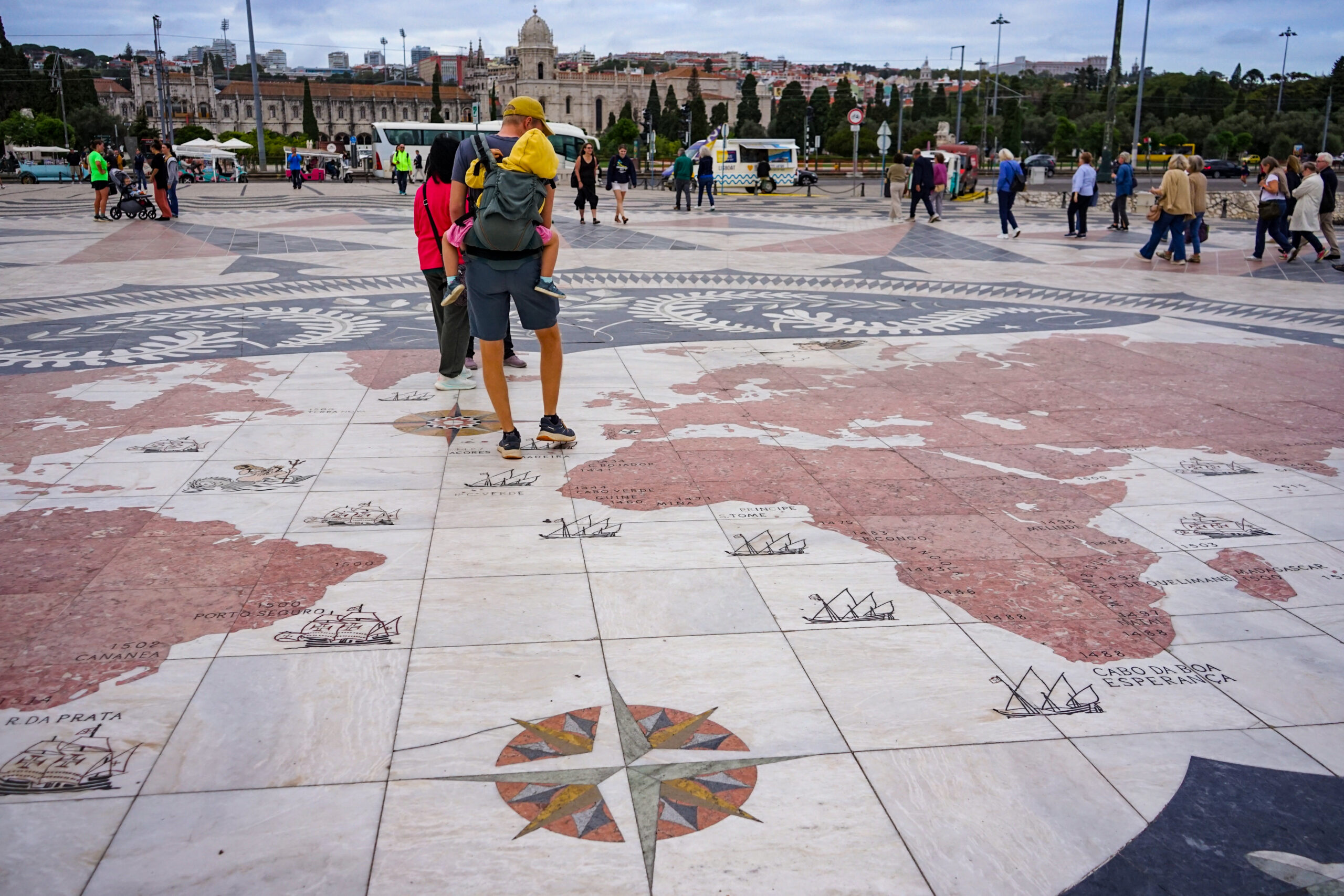
And then there are the smaller surprises — like O Zé de Lisboa, a quick but memorable stop that invites kids to observe and interact with the scene for a moment.
Not everything sits close together, but each place offers space to wander, discover and enjoy without pressure — and the journeys in between become part of the adventure, thanks to trams, buses and metro rides that kids usually enjoy just as much as the destination.
✨ Unplanned Magic (Lisbon’s true superpower)
Lisbon rewards anyone who stays open to the unexpected. Many of our favourite moments weren’t planned at all — they simply unfolded along the way.
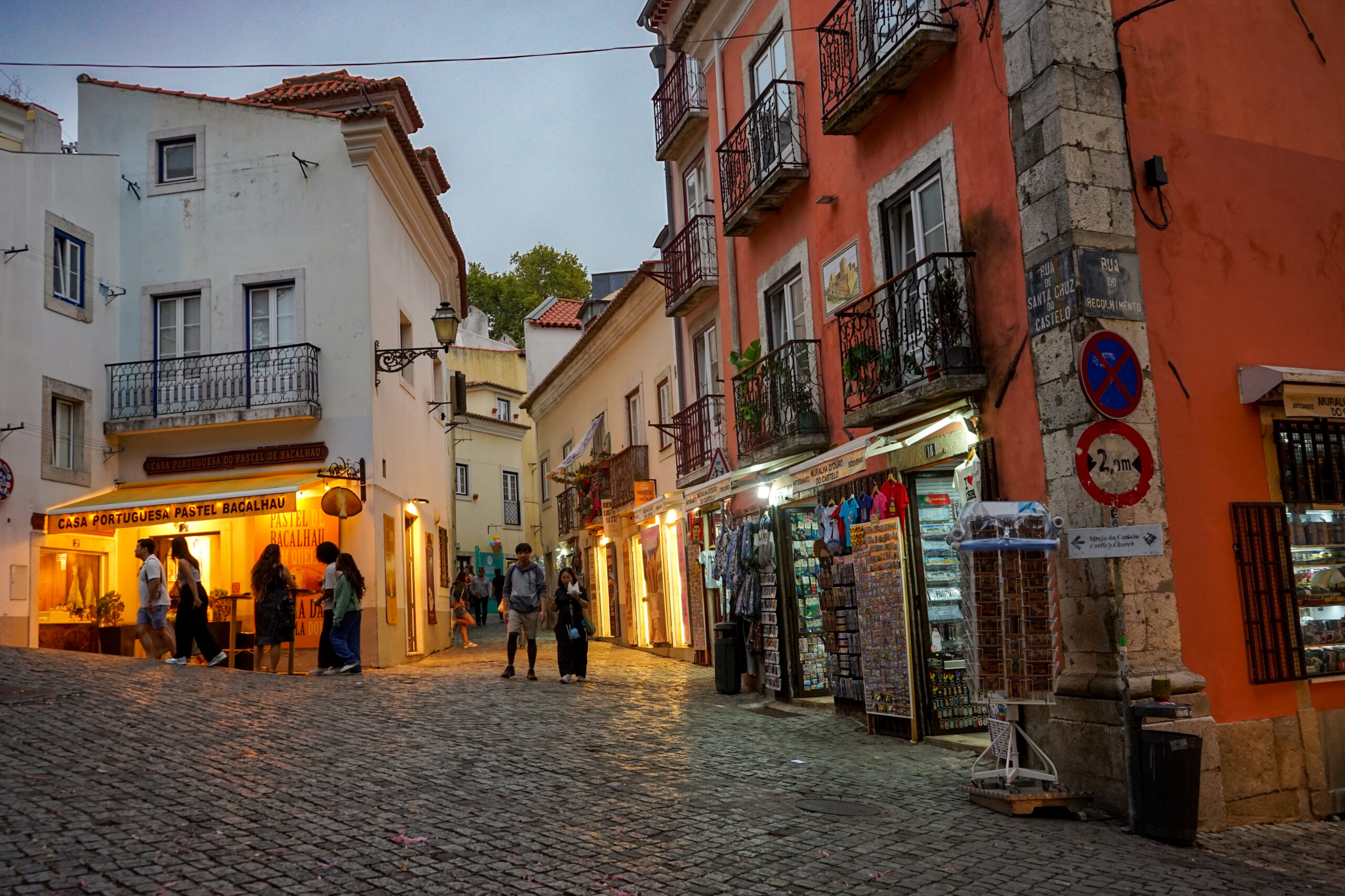
On our walk up to Castelo de São Jorge, a flock of peacocks appeared between the alleys. It happened to be the day of a general strike, so many monuments across the city were closed. By coincidence, we had pre-booked our tickets — the ticket office was empty, but the automatic gates still worked. Inside, the castle felt almost quiet, shared with only a few other visitors. In the middle of the strike, it turned into a small stroke of luck.
Throughout the weekend, we crossed paths with the EDP Maratona de Lisboa again and again. At one viewpoint, a runner even asked us to take a photo of him — a simple moment that showed how many marathon participants also come to explore the city, not just to race.
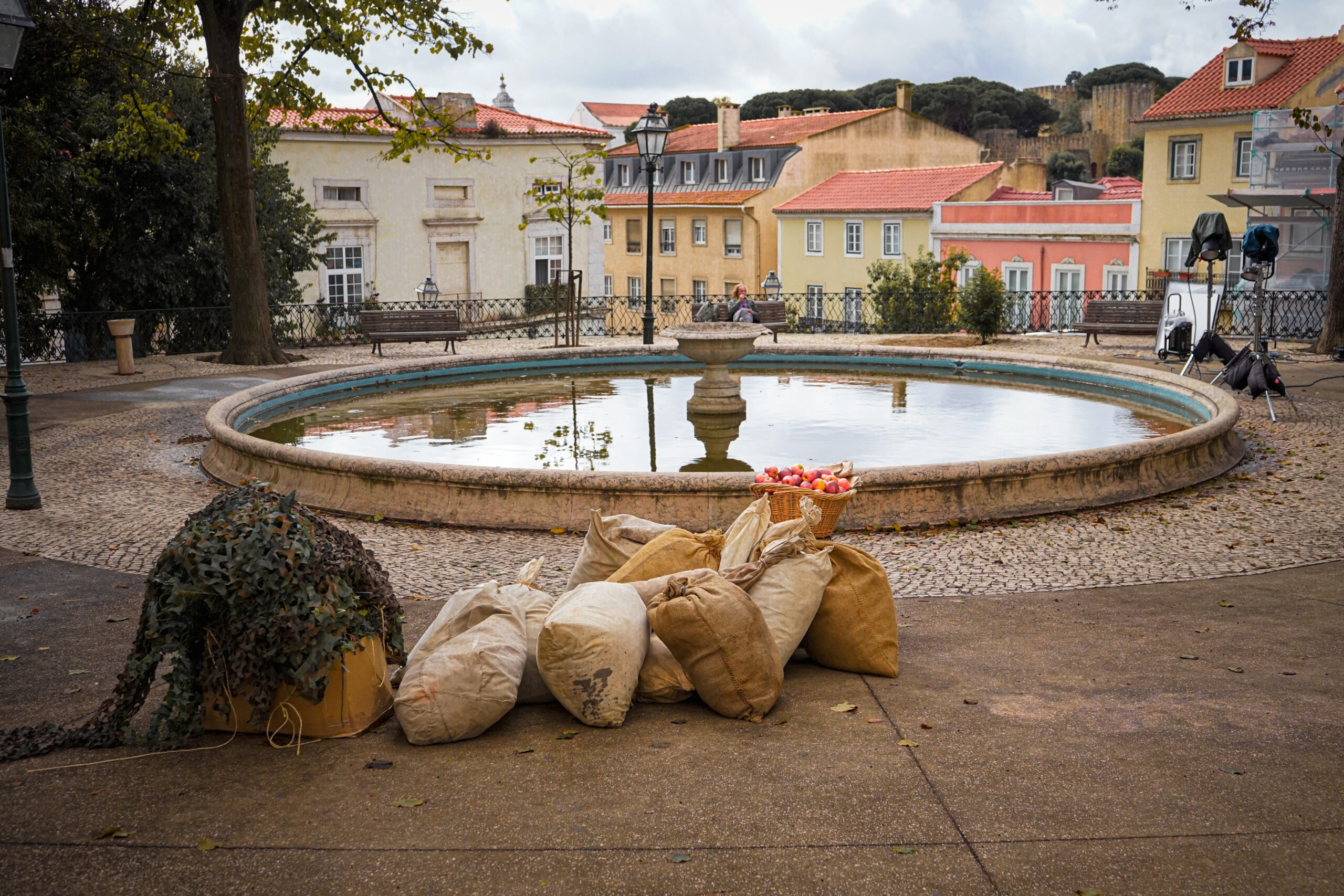
At Jardim da Graça, a film set was being prepared, giving the whole place an unexpected, cinematic atmosphere for a moment.
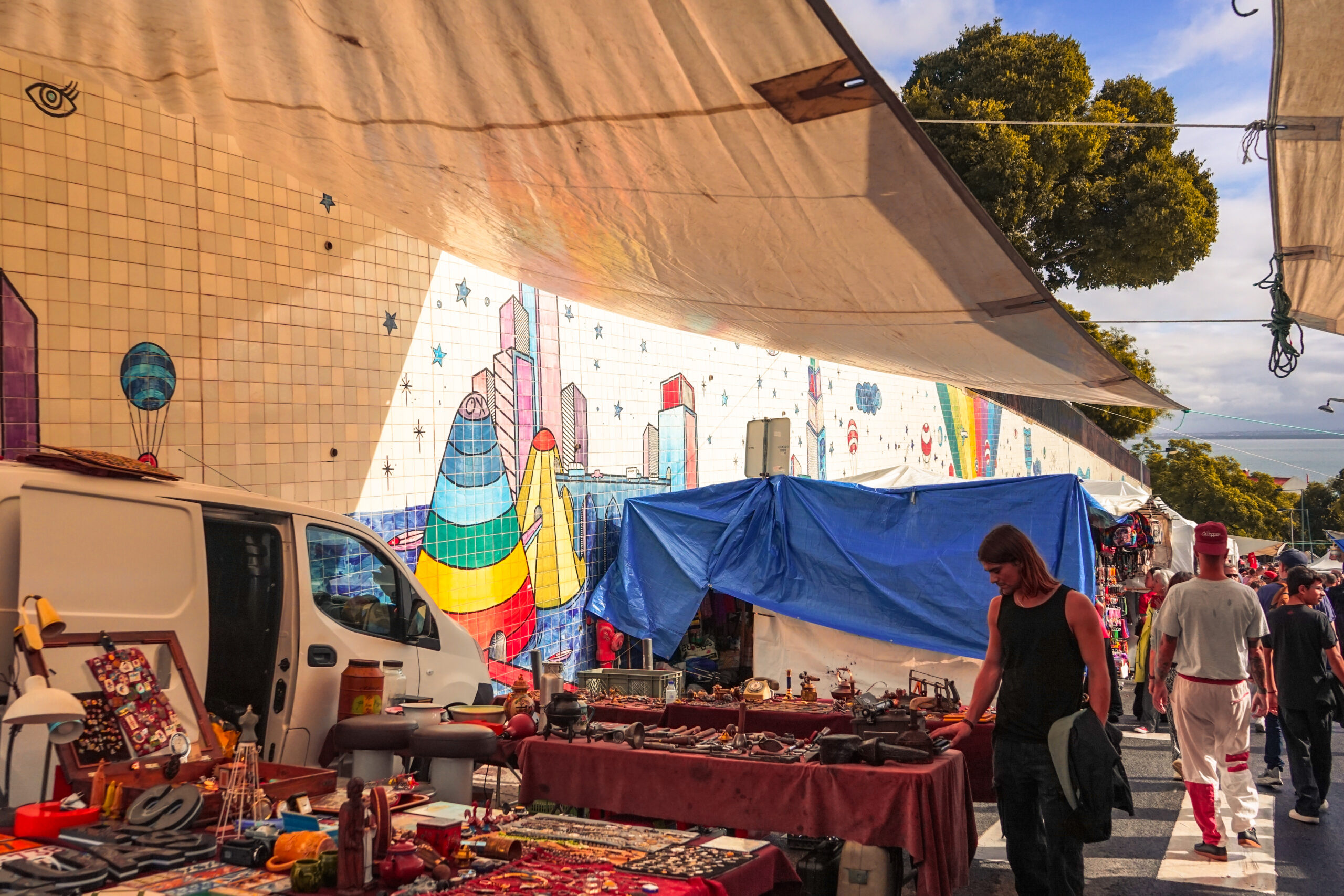
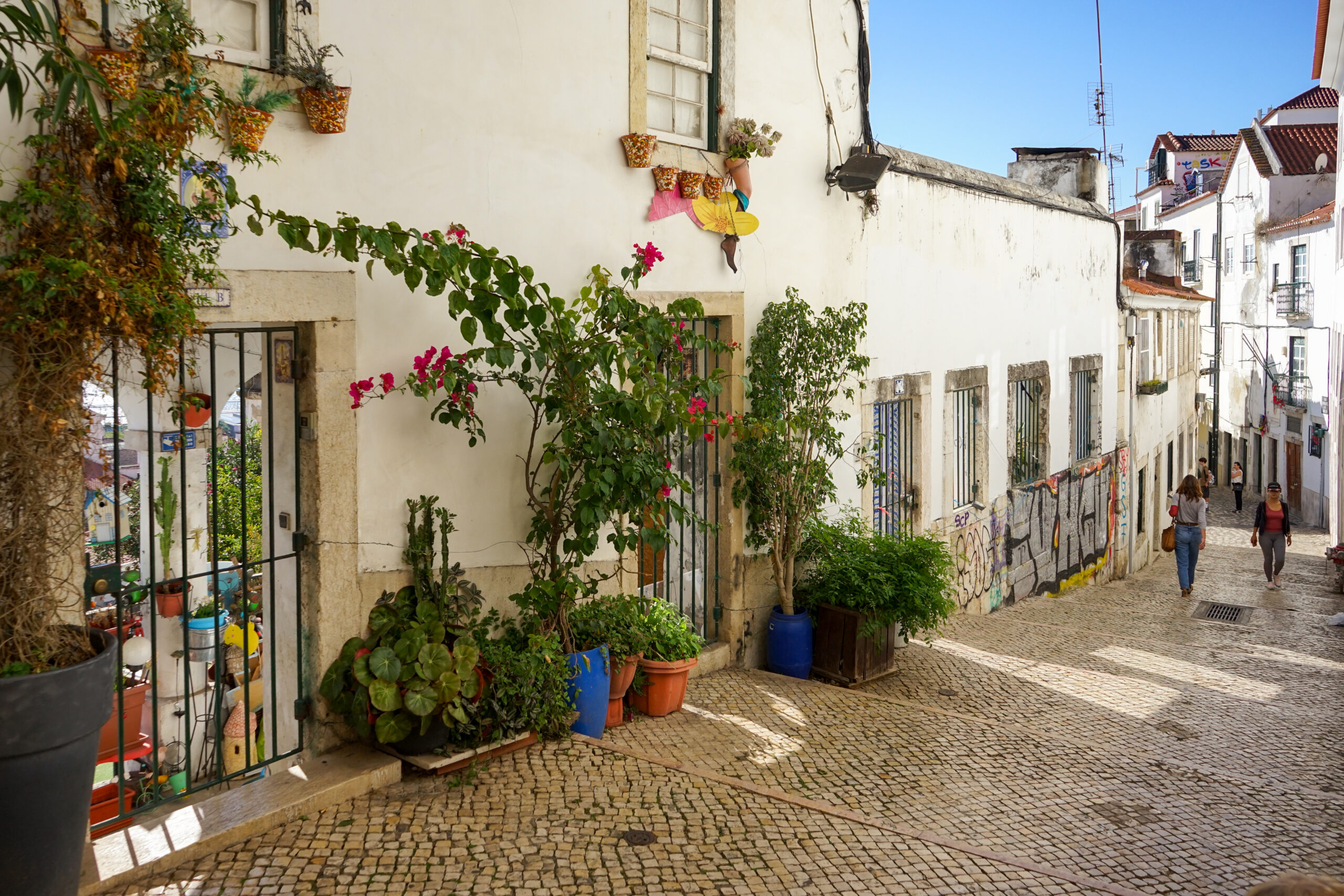
And Lisbon kept offering small surprises: stumbling into the Mercado de Santa Clara on a Saturday without planning it, finding street art tucked into unexpected corners, or being slowed down in the best possible way by music and small performances along the streets.
The city’s miradouros also shaped these days. Each viewpoint opened up a new angle on the river, the rooftops, the hills — offering a constantly shifting perspective, much like Rome’s seven hills, without needing to schedule anything in advance.
Key takeaway: A (family) trip in Lisbon doesn’t need a strict plan. The city creates its own moments — and they’re often the ones we remember most. And from our perspective, that’s something increasingly rare in a major European capital, where many highlights require pre-booked timeslots and rigid schedules. Lisbon, by contrast, still allows you to simply wander and let the day unfold (at least in late October).
🗺️ Final Thoughts
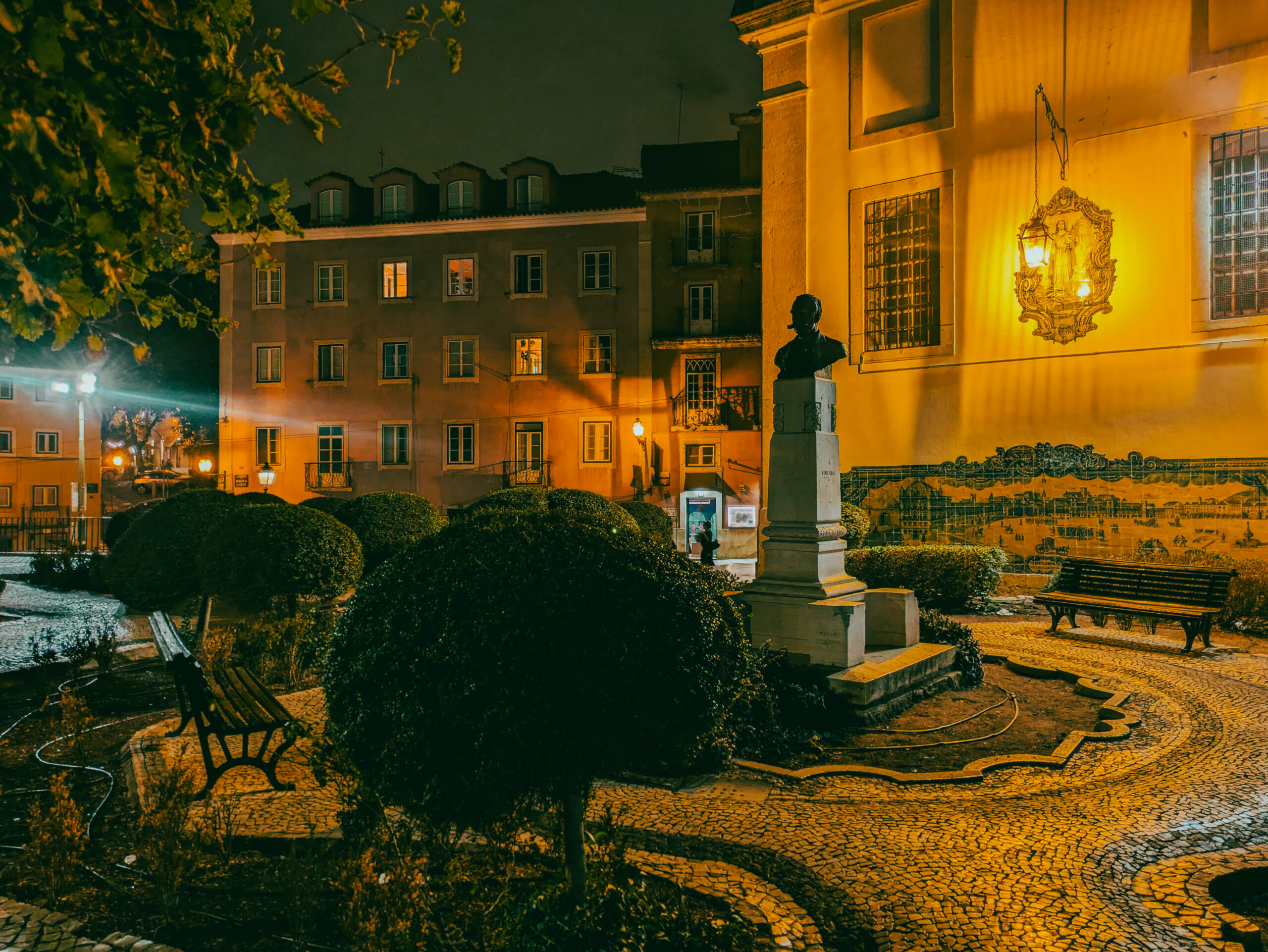
Lisbon truly rewards those who take their time. Turn a corner, and there’s another surprise — a mural tucked into an alley, a viewpoint opening up a new panorama, or a hidden café serving a bite that could easily be the start of its own food guide. One tile after another, the city seems to invite you to explore endlessly.
The culinary scene alone is astonishingly diverse, from tiny local tasquinhas to vibrant markets, and every neighborhood hums with cultural events, music, and street life. Families will find playgrounds, riverside walks, and museums that actually keep children engaged. Couples or solo travelers can wander, discover historic sites, and stumble into the unexpected with equal delight.
For us, the verdict is simple: Lisbon left us inspired, energized, and eager for more. Since the city is just a short trip away, we’re already planning our next visit — ready to uncover more corners, more tiles, and more of the experiences that make Lisbon endlessly fascinating.
Where to stay - (c)alma approved
Portas do Céu Apartments — Alfama
We stayed in the Queen Suite, which was spacious enough for two adults and a young child, with a small kitchenette that made breakfasts and quiet breaks easy. The property is right in Alfama, close to viewpoints, cafés and tram stops, yet feels surprisingly calm once you’re inside. If you book, go for the 3rd or 4th floor for brighter rooms, better views and less guest noise. A comfortable mid-budget choice that simply works.
Use of Lisboa Card (3 days pass)
We used the 3-day Lisboa Card, and our 3-year-old was free. For us, it paid off mainly through unlimited public transport and a few moments of pure luck: we got into Mosteiro dos Jerónimos right before closing because we already held a pass, and the same happened at Castelo de São Jorge during a strike when the ticket office was shut.
Tested in off-season, though — in high season the value can shift, since some major sights, including Jerónimos Monastery and Belém Tower, now require timed reservations even with a Lisboa Card. It’s worth checking the current booking requirements before your visit rather than assuming you can simply turn up.
Bottom line: for three days, it worked extremely well for us. It encouraged us to see more without rushing or micromanaging entry times.
Take your time to explore com calma
Lisboa rewards an unhurried pace. The city is a collection of very different neighborhoods — Alfama, Baixa, Bairro Alto, Belém, Parque das Nações, ... — each with its own rhythm, and many aren’t conveniently close to one another. Add riverside walks, monuments, museums, viewpoints, and it can feel like a lot if you try to squeeze everything in.
Give yourself time: either plan 5–7 nights, or come for shorter trips more than once. And if you ever feel you’ve “seen it all,” there are effortless day trips to Cascais, Sintra, Almada, or Costa da Caparica. Lisboa never runs out of options — it simply opens up more the slower you move.