🏞️ Exploring the Lower Guadiana Valley
Just a short drive from the Algarve coast, the lower Guadiana valley offers an easy escape into a quieter, more rural side of southern Portugal.
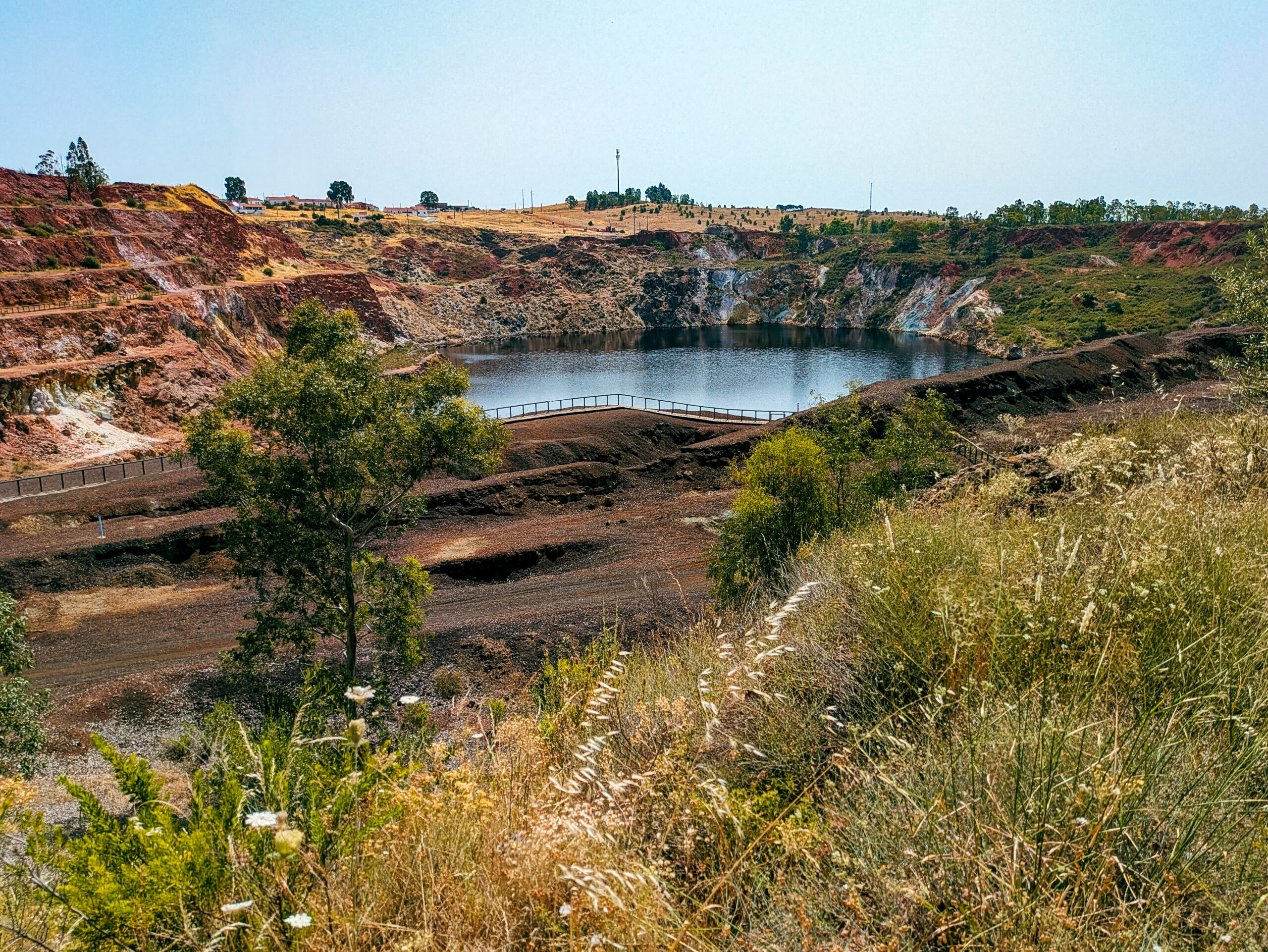
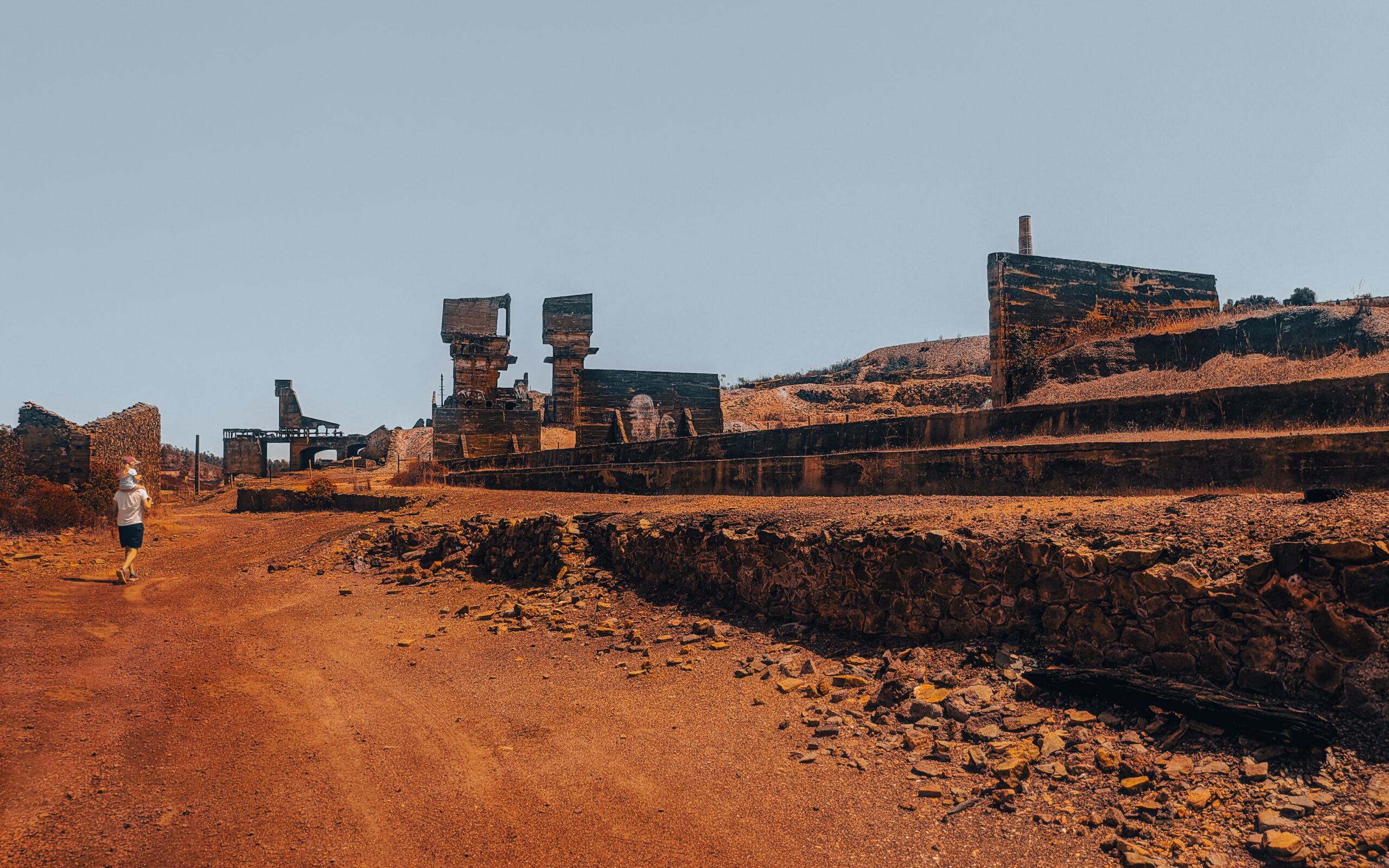
One of the least populated regions in Europe, this part of the Alentejo is shaped by wide landscapes, historic river towns and a slow rhythm of life along the river. Freshwater swimming spots, hiking trails and long stretches of unspoiled nature define the setting, while small towns like Mértola, Alcoutim and the Spanish river town of Sanlúcar de Guadiana reflect centuries of trade, borders and everyday life along the Guadiana. Further inland, places such as Mina de São Domingos reveal the region’s industrial past in a striking, almost otherworldly landscape.
Food plays an essential role here. The local cuisine is simple, seasonal and deeply rooted in rural traditions – think river fish, game, wild herbs, olive oil, bread-based dishes and slow-cooked stews. Combined with excellent-value rural quintas and small family-run restaurants, the region offers a quietly rewarding travel experience far removed from the Algarve’s coastal crowds.
Timing matters when visiting the lower Guadiana valley. Summers can be extremely hot, sometimes as early as June – during our last visit, temperatures reached 42 °C in early June. While river swimming helps, sightseeing and hiking can become challenging during heatwaves.
Spring, late autumn and winter are generally much more pleasant, with mild temperatures and a calmer atmosphere. Rainy periods can feel inconvenient at first, but after longer winter rains the landscape transforms: hills turn green, wildflowers appear across the countryside, and the Guadiana shows a more powerful, untamed side. For travelers interested in hiking, nature, food and a slower pace, these seasons often offer the most rewarding experience.
📍 Lower Guadiana Valley: Key Towns
🏘️ Towns and Highlights
Mértola – History, Sights & Local Dining
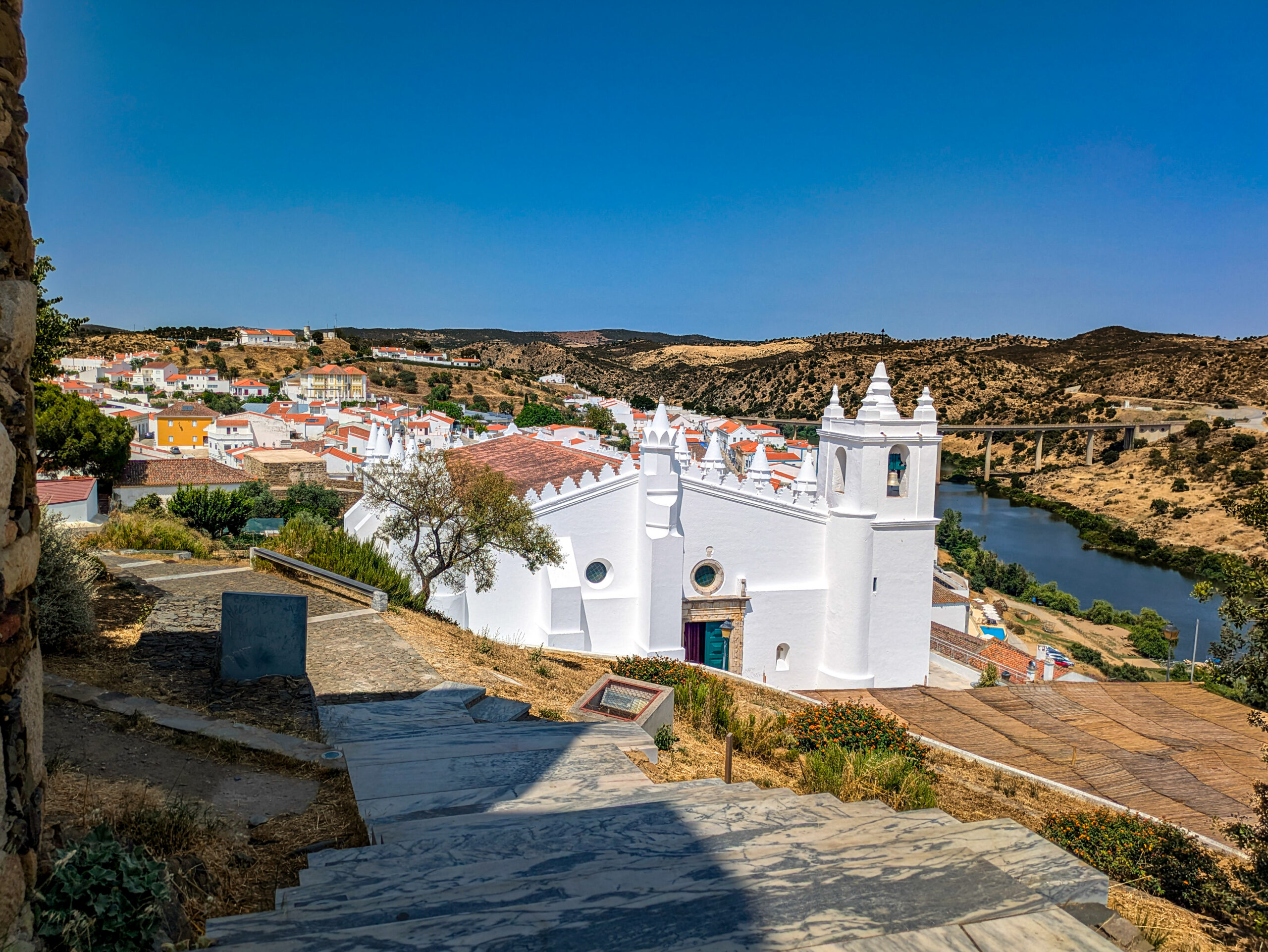
Mértola isn’t just spectacularly perched above the Guadiana River; it also boasts a rich and fascinating history. The earliest evidence of settlement here dates back to the Neolithic period, though the town was likely first permanently inhabited by the Phoenicians. Like other towns along the river, Mértola has seen successive waves of dominant cultures: Phoenicians, Romans, Moors, and later the Portuguese Conquistadors. This layered history is visible everywhere – in the Castelo, in the Igreja Matriz de Mértola where Moorish influences are still clearly visible, and in the town’s museums.
For anyone keen to dive deeper into the past, a visit to the Museu de Mértola is highly recommended. Its outdoor area, which includes an ancient necropolis, offers a vivid glimpse of life in earlier times. While there, don’t miss the view over the picturesque cemetery and towards the Moinho da Bruxa – literally the “Witch’s Mill.”
The best panoramic view of the town comes from the castle itself, though be warned: climbing to the top can be challenging during the hottest days. After exploring the castle, take a stroll along the old town walls. The winding streets continually reward visitors with charming whitewashed houses, colorful flower displays, and stunning viewpoints.
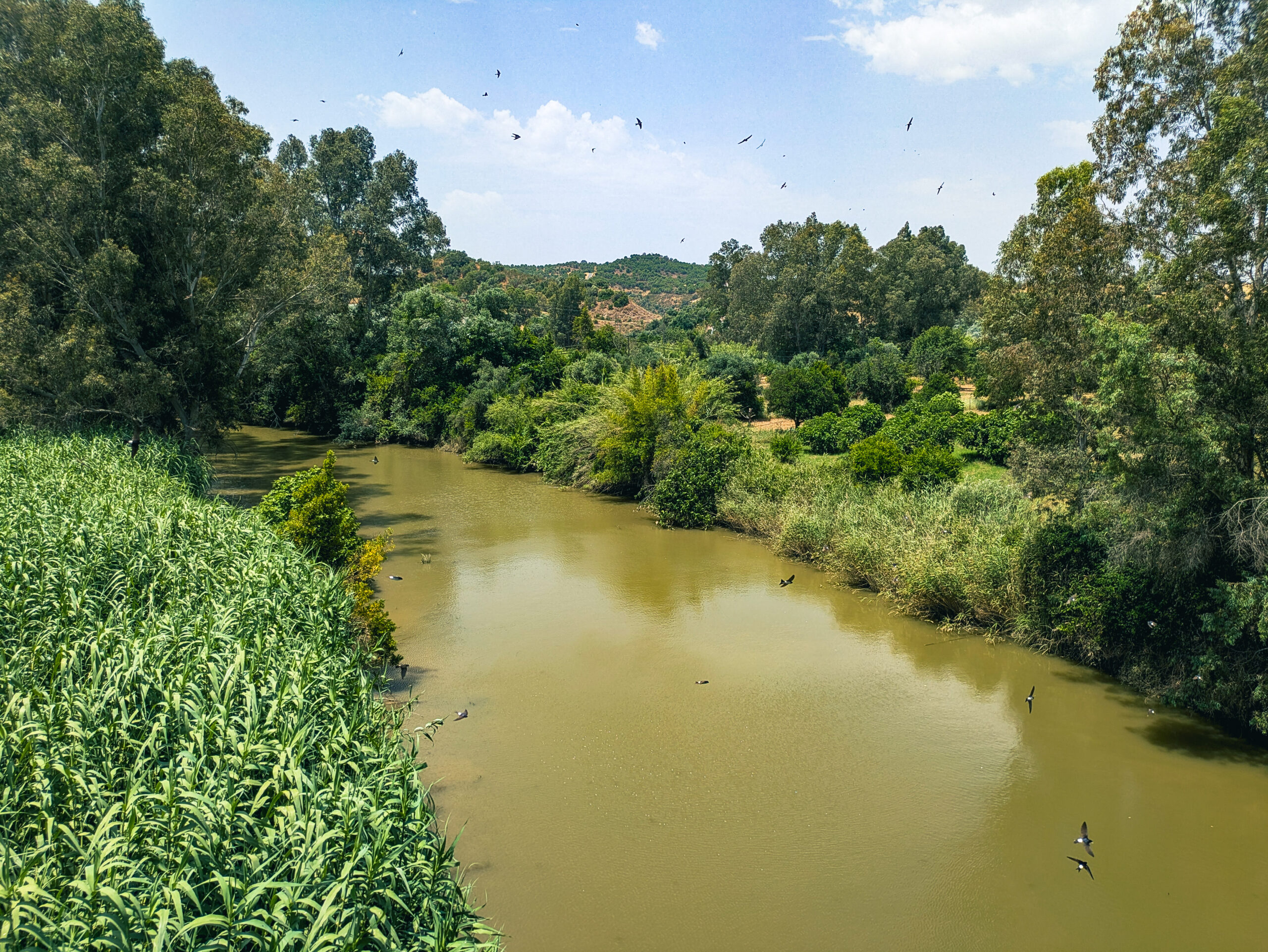
A short detour down to the Azenhas do Guadiana, the old riverside watermills, is also worthwhile. Depending on the season, you can cool off by the river or simply enjoy the surrounding nature. The river is shallow here, so it’s more about paddling and relaxing than proper swimming. For those who enjoy walking in nature, a short hike in the other direction leads to the Estação da Biodiversidade de Bombeira do Guadiana, offering more peaceful riverside scenery.
Finally, round off your visit at one of the local restaurants (see Infobox). If you’re visiting in spring or early summer, don’t miss a local specialty: caracóis. These are small land snails native to the region, traditionally cooked in a flavorful garlic‑and‑herb broth. They are a must-try – delicate and aromatic, offering a taste of authentic Alentejo cuisine, quite different from the larger escargots you might have tried in France.
Com (C)alma

Beautiful former mesquita Igreja Matriz de Mértola.
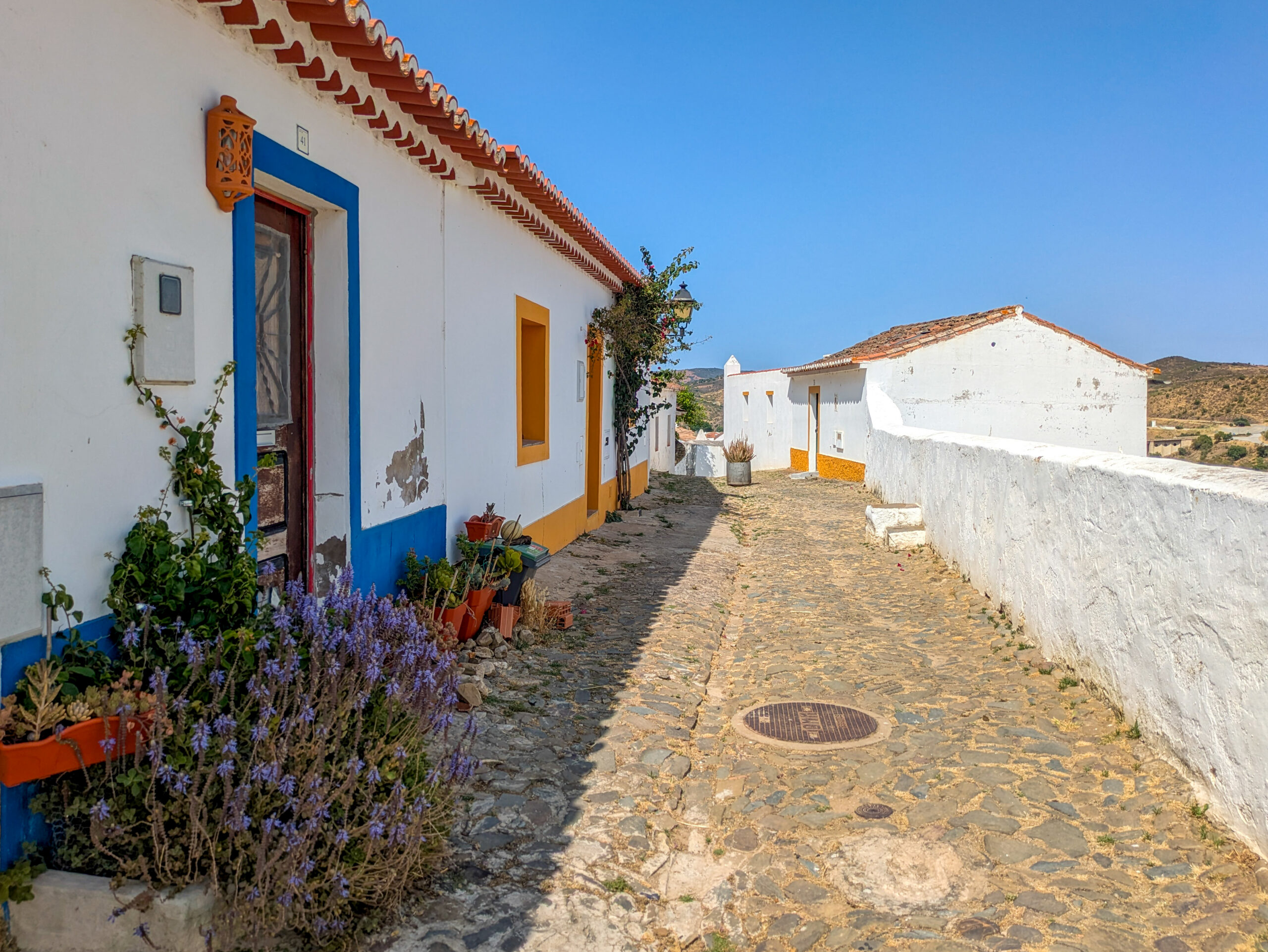
Typical cobblestone street in Mértola
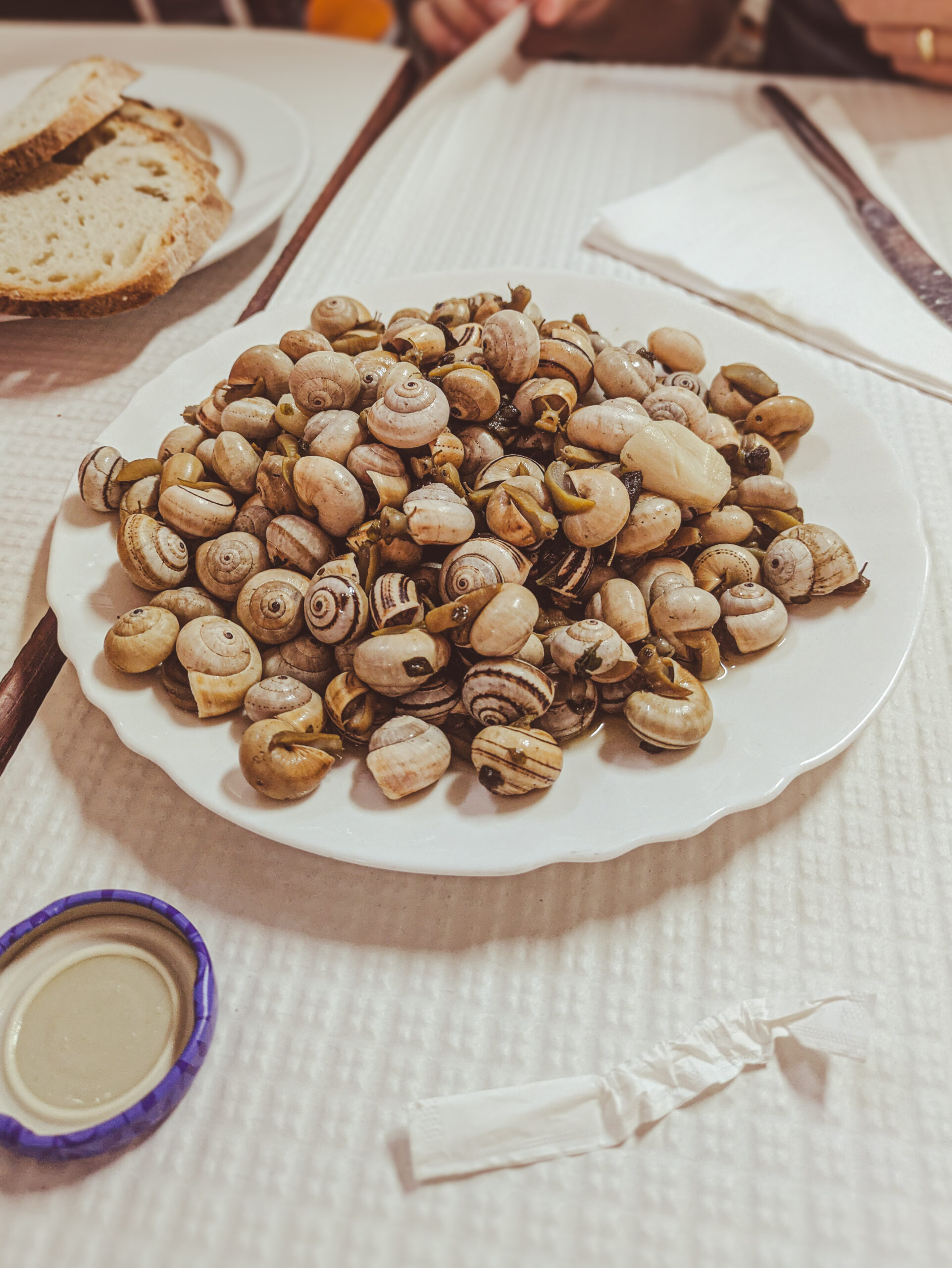
Signature dish "carácois" at one of the restaurants at O Salvador, Mértola.
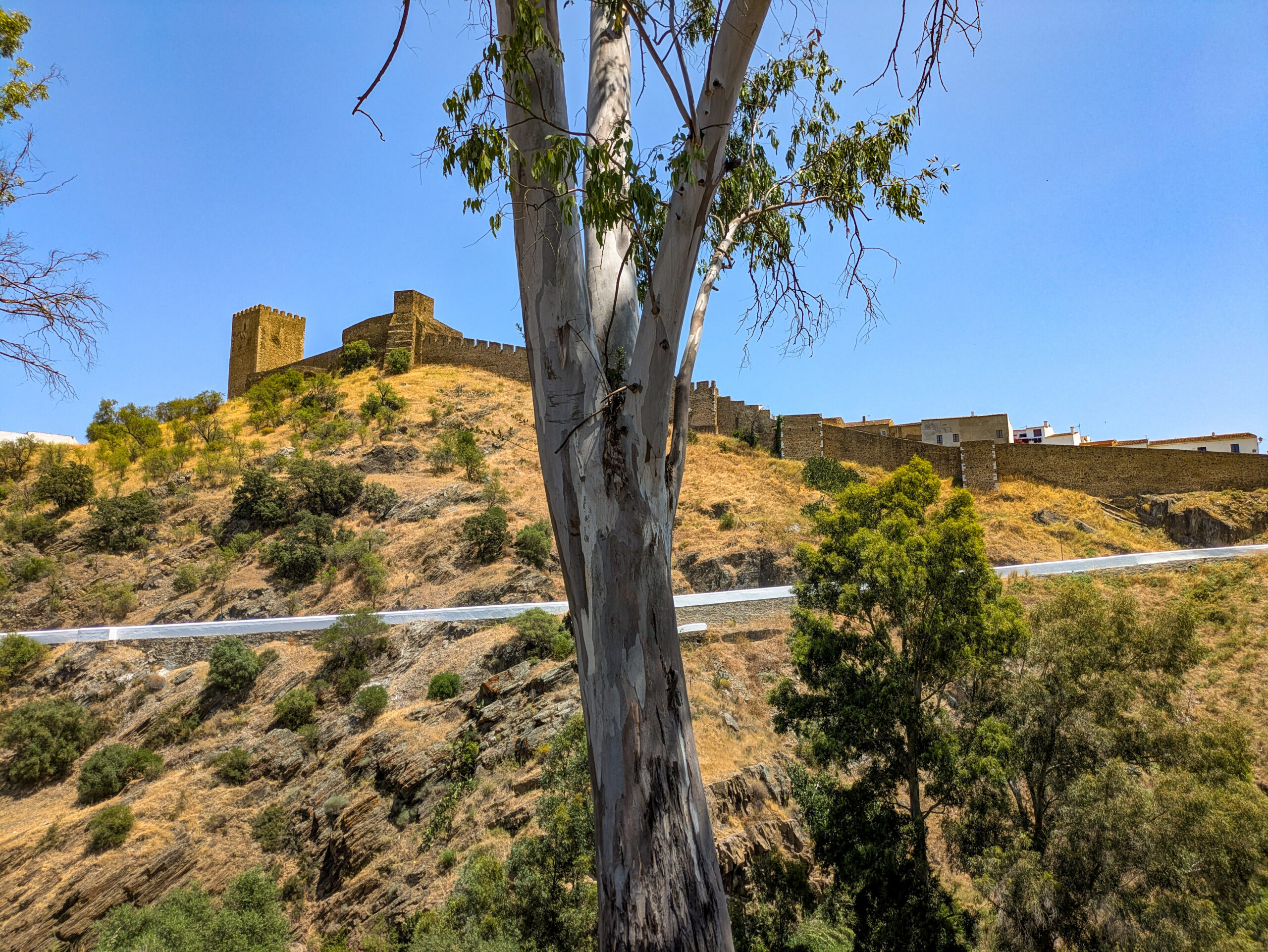
Mértola's castle and outer city walls as seen from a side river of the Guadiana.
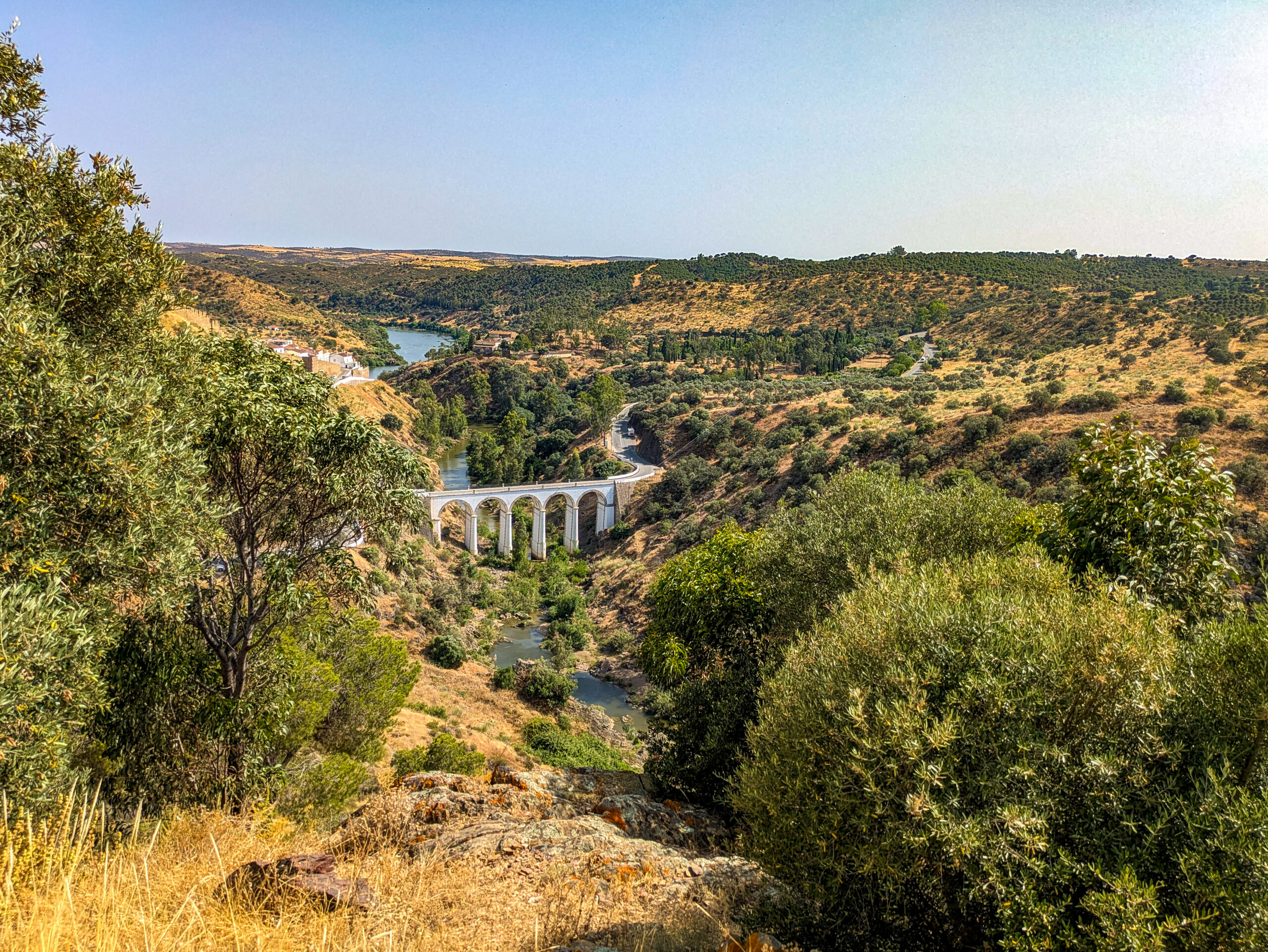
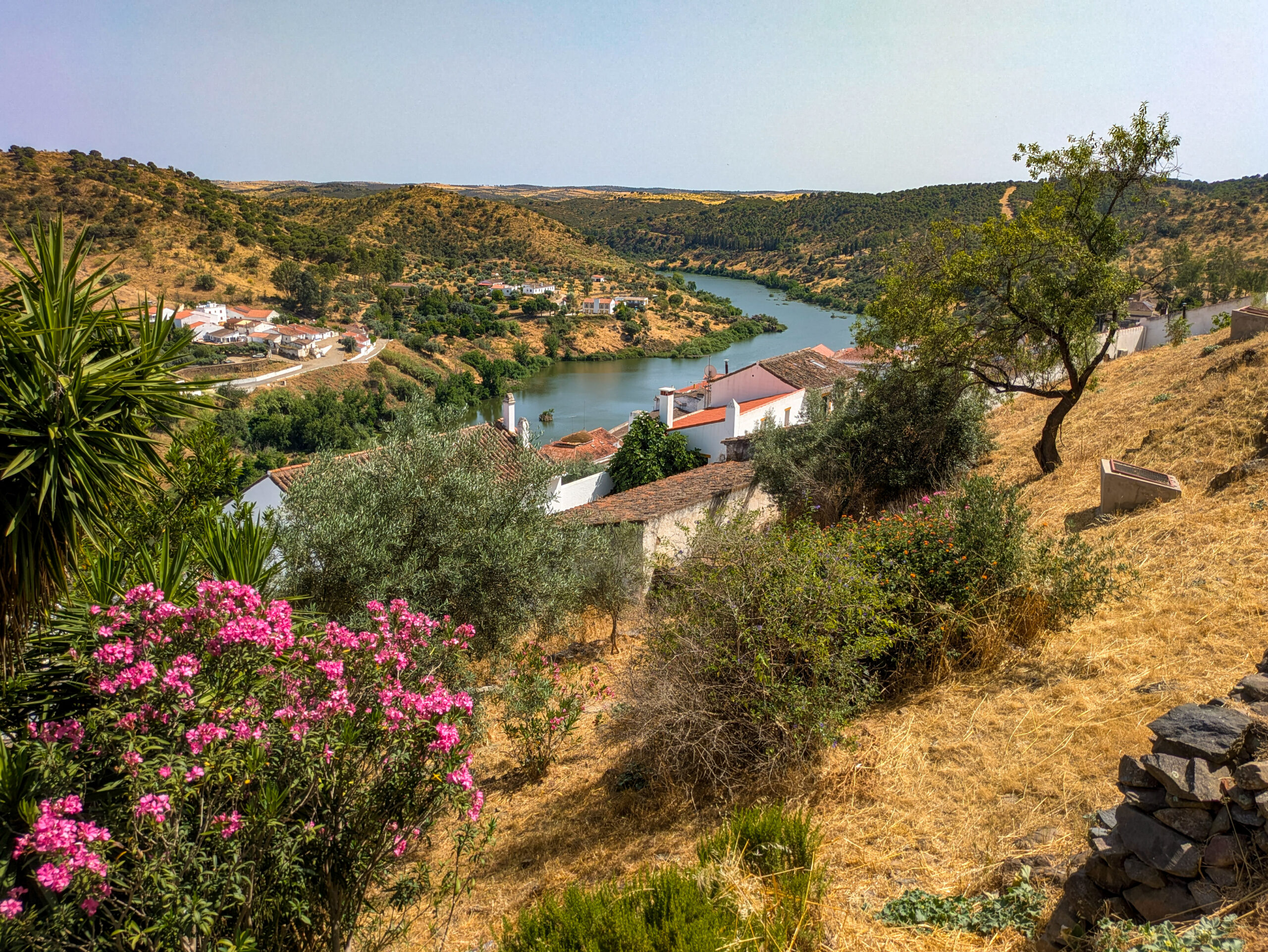
This is how the typical landscape of the lower Guadiana valley looks like (taken from Moinho da Bruxa).
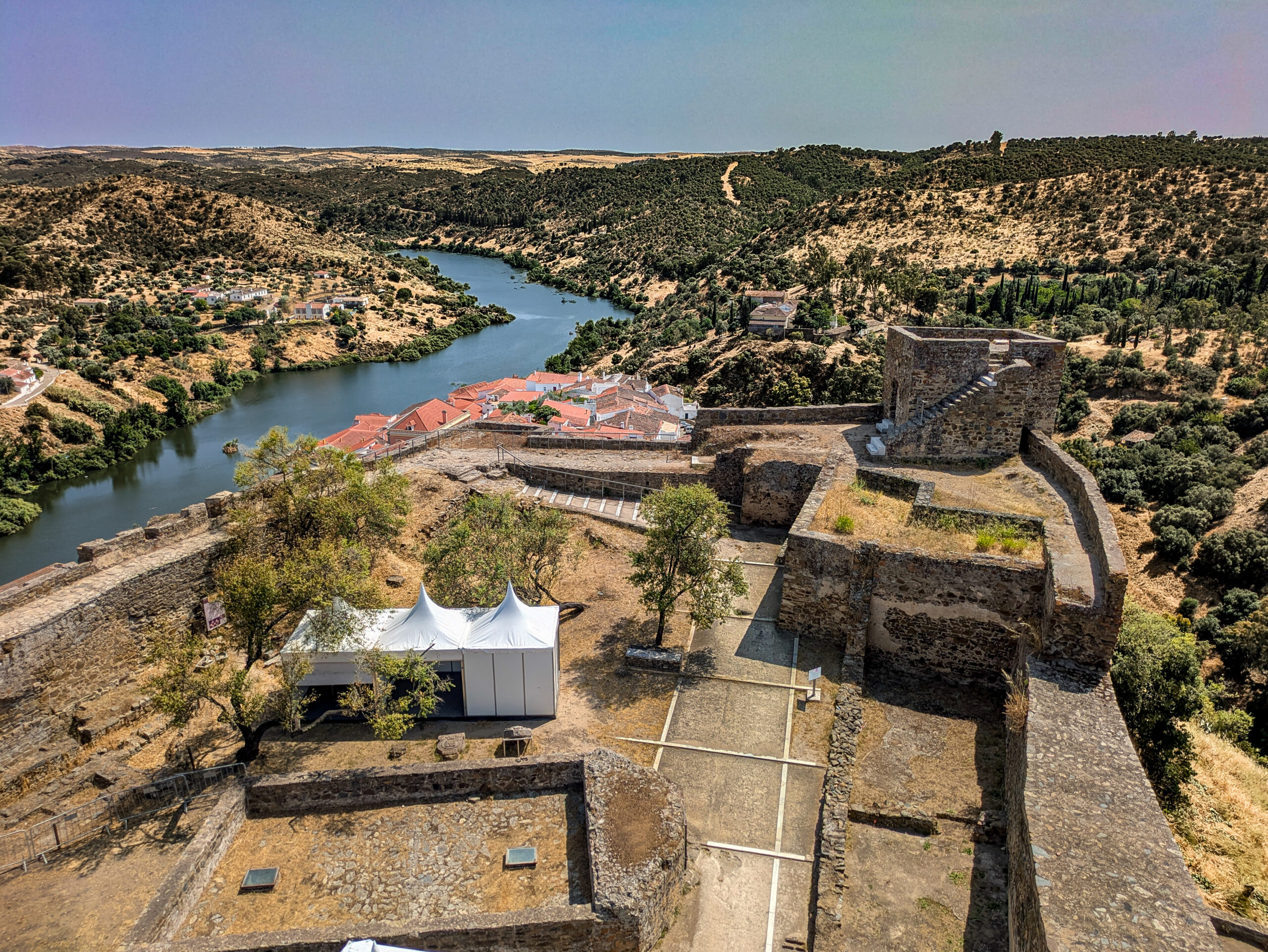
Perfect view from Mértola's highest point: the castle
Best place for an ice cream
Gelados Nicolau – cool off either before or after you visit the historic center with a delicious ice cream, conviently located.
No frills, typical local food
O Salvador – you will find many locals here. While the place won't win a price for interior design, it features yummy local dishes such as the already mentioned caracóis and what can be vital: has air conditioned inside seating.
Food with a view
Espaço Casa Amarela – great variety of local dishes such as "Migas" or "Bochechas de Porco Preto". As it is on the other side of the river, you have a fantastic view over Mértola, especially at night time.
Explore local history
Casa do Museu - start your scouting trip here, you won't regret it.
Best overnight option in town
Quinta do Vau – Family-friendly accomodation on the other side of the river with rooms offering views over the town, some with kitchenettes. Great value for money and a lovely outdoor pool.
Tasty souvenirs
Mercearia Souk - Quaint little shop with local products like honey or medronho, but also some other handmade souvenirs.
Alcoutim – Life on the Guadiana River
Alcoutim is a border town in more than one sense.
Not only does it mark the eastern edge of the Algarve, right before the landscape shifts into the Alentejo, it also faces its Spanish neighbour Sanlúcar de Guadiana across the river. Like Mértola, Alcoutim looks back on a long and layered history and is likely just as old. Its strategic position on the Guadiana was no coincidence: ships transporting iron ore and bronze downriver towards the coast are believed to have stopped here, waiting for high tide before continuing their journey south.
This role as a river outpost shaped the town for centuries and is still reflected in its compact historic centre, defensive structures and close relationship with the river. Beyond its history, Alcoutim is also known for traditional craftsmanship. Local workshops keep techniques such as fine embroidery and hand-woven wool rugs alive, often inspired by the Arraiolos style that is typical for this wider region of southern Portugal.
A convenient starting point for exploring Alcoutim is the Ermida de Nossa Senhora da Conceição, where you can park your car and enjoy sweeping views over the river valley. From here, make your way downhill through the town’s steep, narrow streets towards the Castelo de Alcoutim.
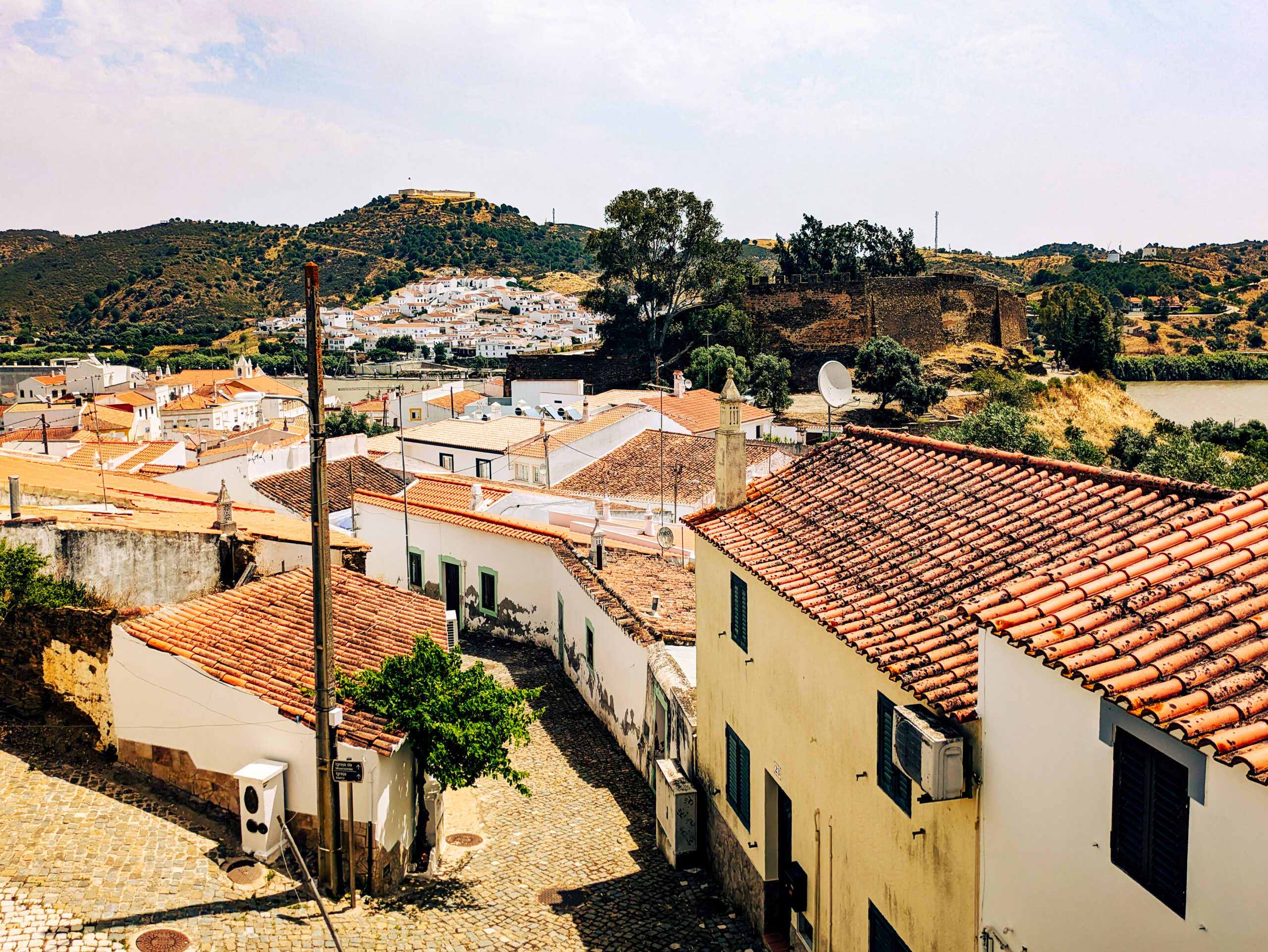
The castle is an excellent place to begin your sightseeing. The museum staff usually provide helpful flyers covering the different local museums – not only in Alcoutim, but also across the river in Sanlúcar de Guadiana – and are happy to suggest a sensible order for visiting them. It’s well worth listening to their advice.
Inside the castle museum, there’s a section dedicated to chess and other ancient board games, brought to the Iberian Peninsula during the Moorish period (source). After your castle visit, continue down towards the river. Stop by the Igreja Matriz de Alcoutim, set just above the riverbank, and take a moment to watch the boats drifting along the Guadiana.
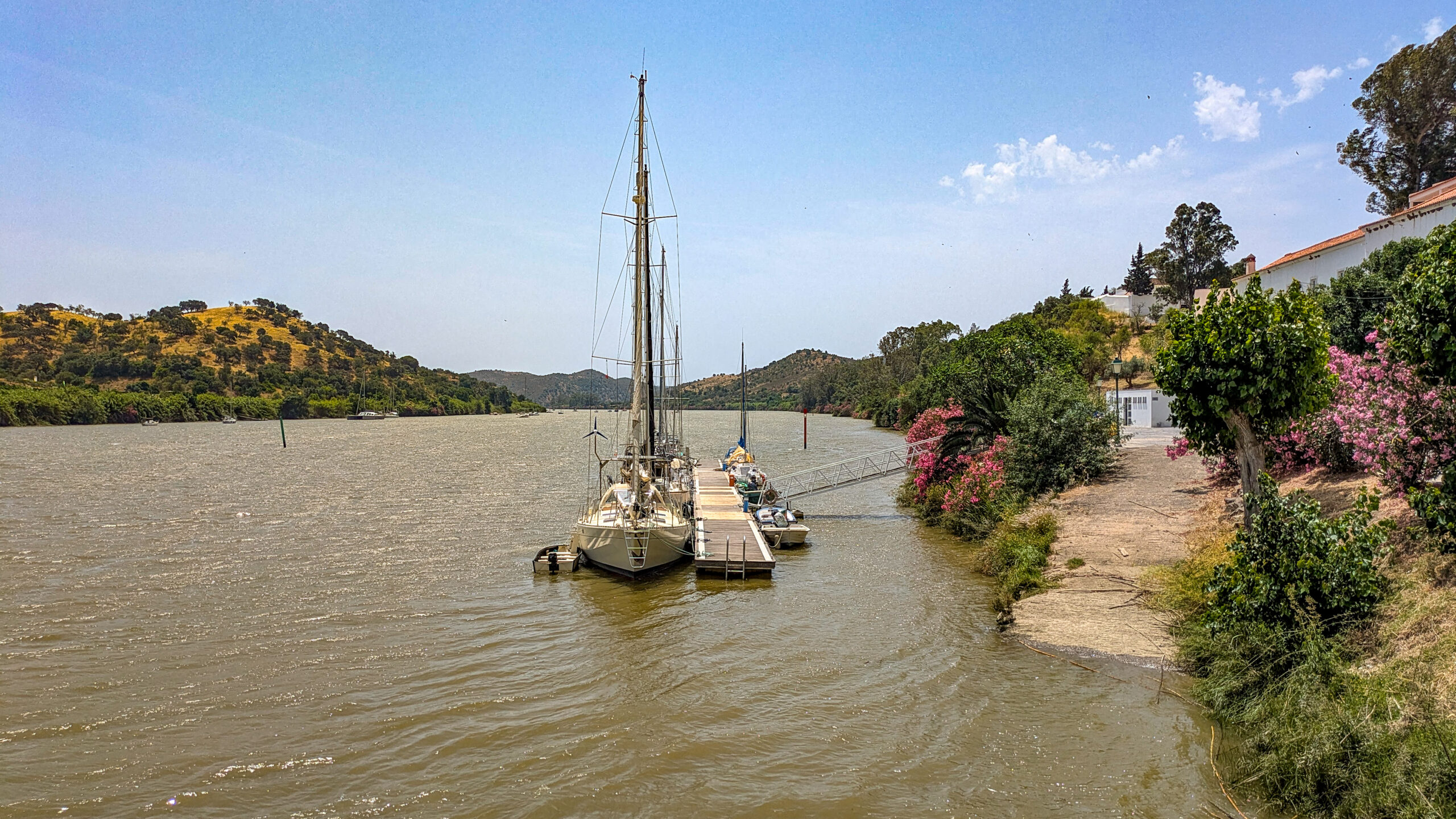
If you’d like to dive deeper into the history of the river itself, a small museum located about 10 km south of Alcoutim is worth a stop – especially if you are driving up from the Algarve coast. Back at the riverbank, the Estátua do Contrabandista recalls the long tradition of smuggling along the Guadiana, a practice that was widespread throughout the region on both sides of the river. Every two years, this shared past is celebrated during the Festival do Contrabando, when a temporary pedestrian bridge is installed across the river, allowing visitors to walk between Portugal and Spain.
Outside of the festival, crossing by car requires a detour of over an hour either north or south. A small passenger ferry operates between the two towns, though schedules vary and are best checked at the tourist office upon arrival. On hot days, finish your visit with a refreshing swim at the Praia Fluvial do Pego Fundo, one of the most picturesque river beaches in the area.
🌍 Border Crossing by Zipline
The Limite Zero zipline offers a unique way to cross the Guadiana: flying from Sanlúcar de Guadiana (Spain) back to Alcoutim (Portugal). In just a few seconds, you cross an international border high above the river. It’s short, fun, and very well organised – ideal as a small highlight rather than a full activity.
Good to know:
The zipline only runs Spain → Portugal, so plan your route accordingly.
Spain is one hour ahead of Portugal, so double-check the local time when booking or arriving at the meeting point.
Check the website for opening times, pricing, and age/weight restrictions before you go.
Castelo Velho do Alcoutim
A short walk from town leads you to the ruins of the old castle, combining options for short hikes with stunning views over the Guadiana. The remains are modest, but the setting is beautiful – a great walking and photography spot, especially in softer light.
Oysters with a view
Cascas e Marés – The menu is small but offers delicious seafood and the view over Sanlúcar de Guadiana is an added plus.
Best overnight option in town
Hotel d'Alcoutim – No frills, good value for money option just outside town at the riverbank. Has a pool and breakfast options. Added plus is that they work together with local tour providers for boat tours or other nature experiences.
⛏️🌿 Mining Landscapes & River Life
Mina de São Domingos – From Mining Past to River Swimming
Anyone who wants to truly understand the Alentejan way of life in this border region should visit at least one of the former mining sites. Mining has shaped the Guadiana valley on both sides of the border for thousands of years, with early activity dating back to the Bronze Age, when copper ores were already being extracted. In later periods, iron ore became one of the region’s most important resources.
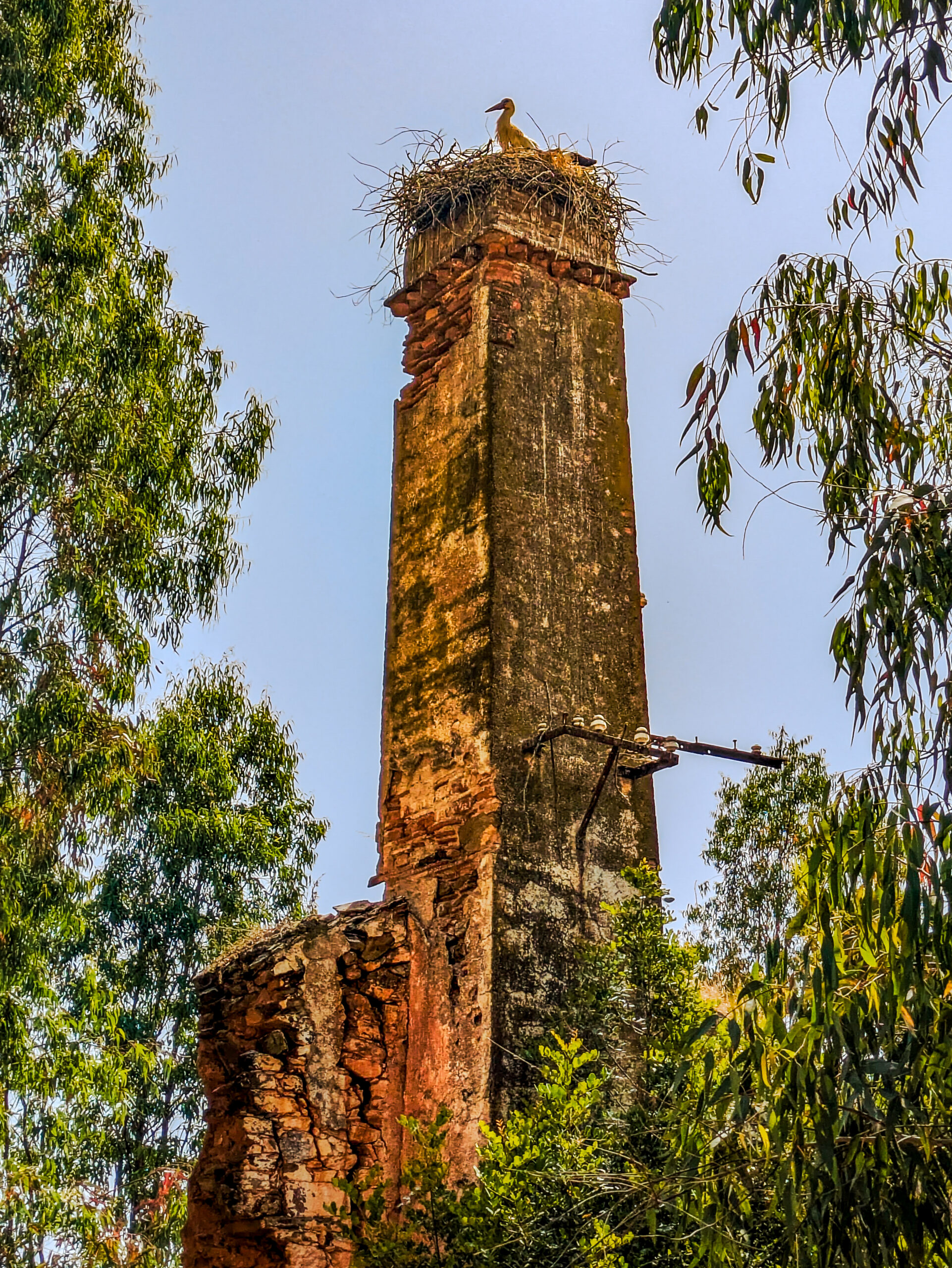
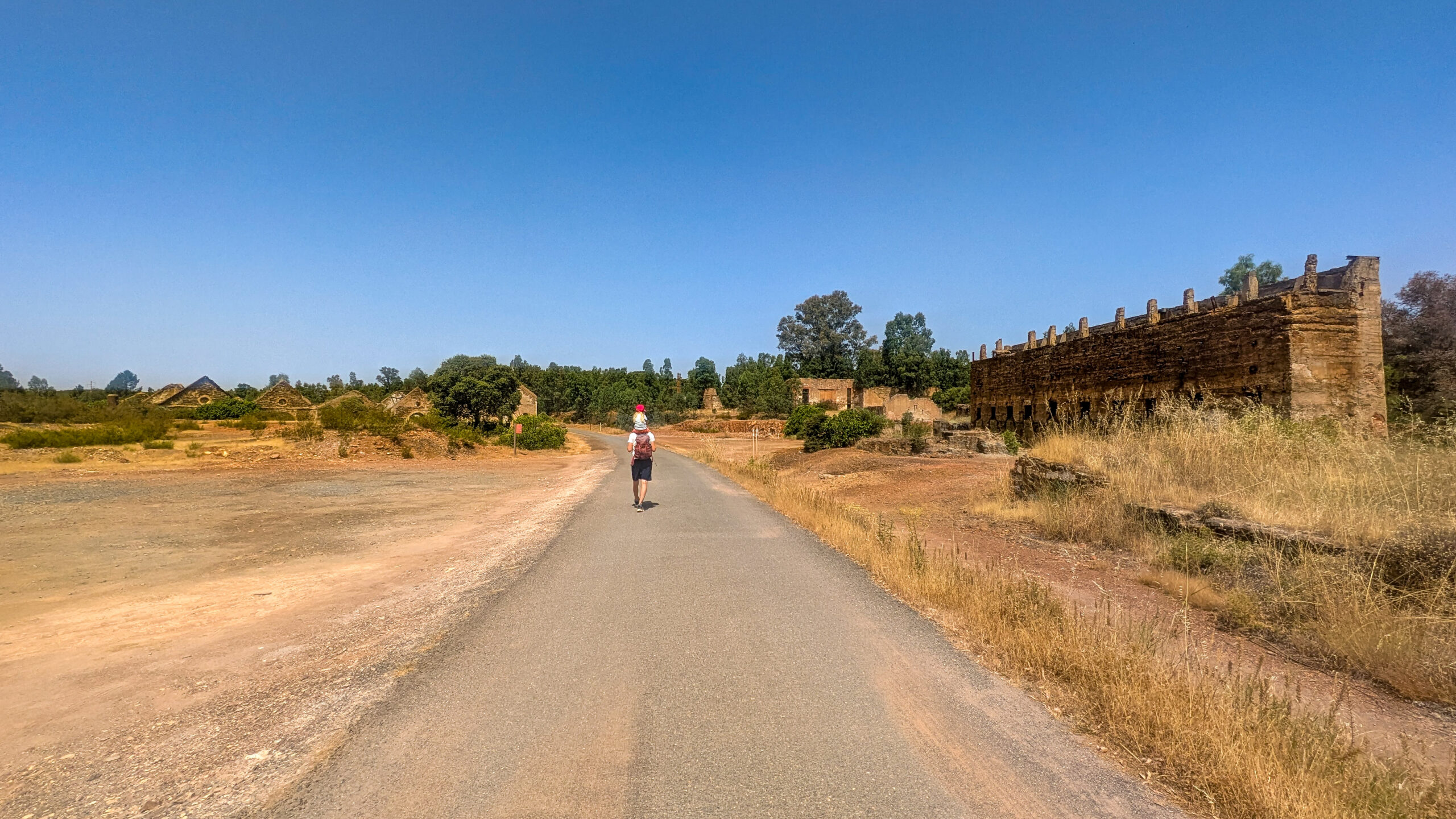
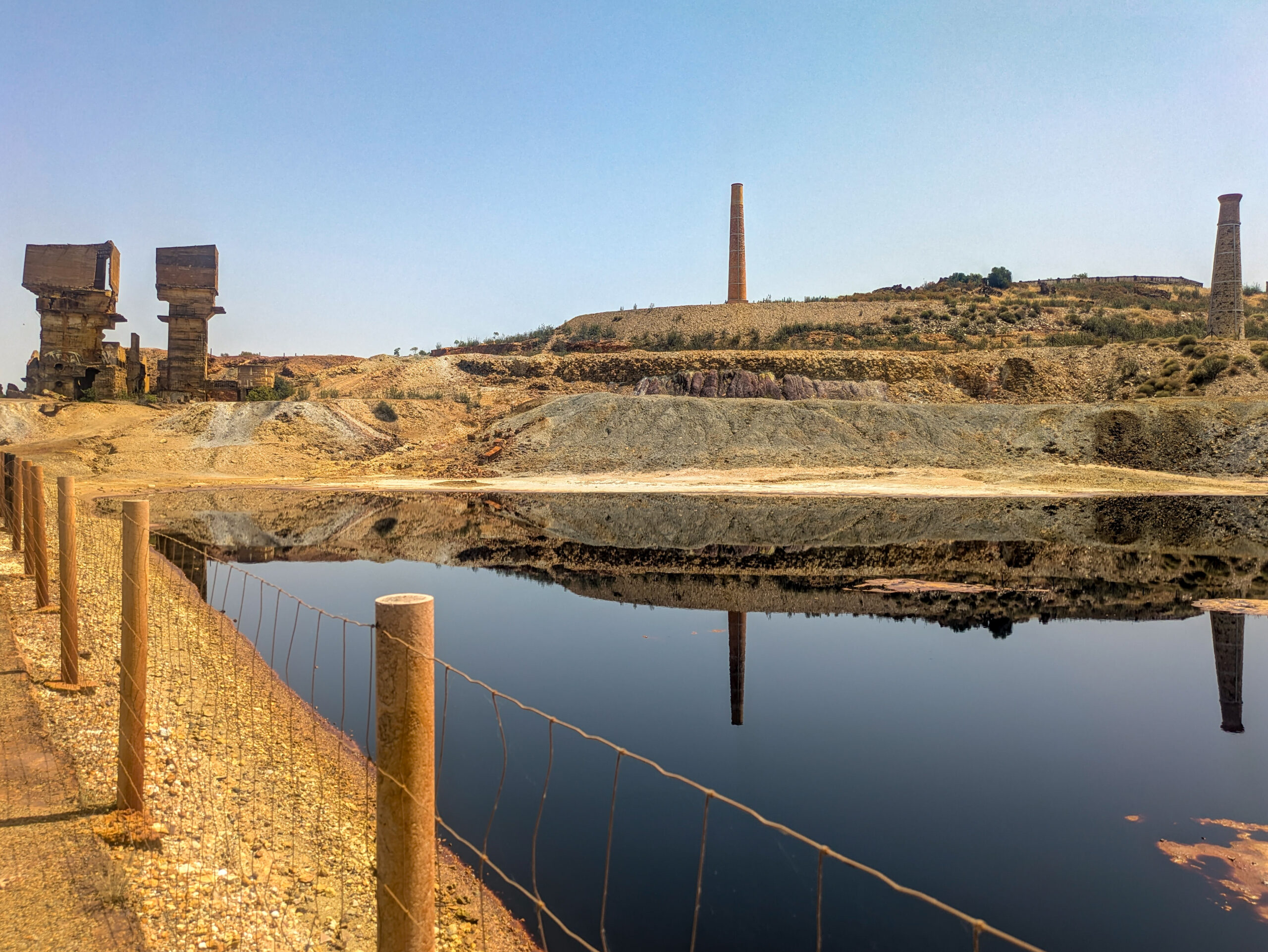
Today, most mines are closed, but they have left behind striking and often surreal landscapes. Places like the former mining complex now known as Achada do Gamo feel both raw and strangely beautiful, offering a very different perspective on the region. Several walking trails lead through the area, though on extremely hot days – as it was during our visit – many sites can also be reached by car.
Despite the well-known environmental challenges caused by mining, these landscapes have gradually been reclaimed by nature. The nearby rivers and reservoirs with non-polluted waters have turned the area into an important habitat for birds and wildlife. For those interested in the human side of mining history, the small Casa do Mineiro in town offers a particularly tangible insight into everyday life in the mines.
River Swimming at Tapada Grande
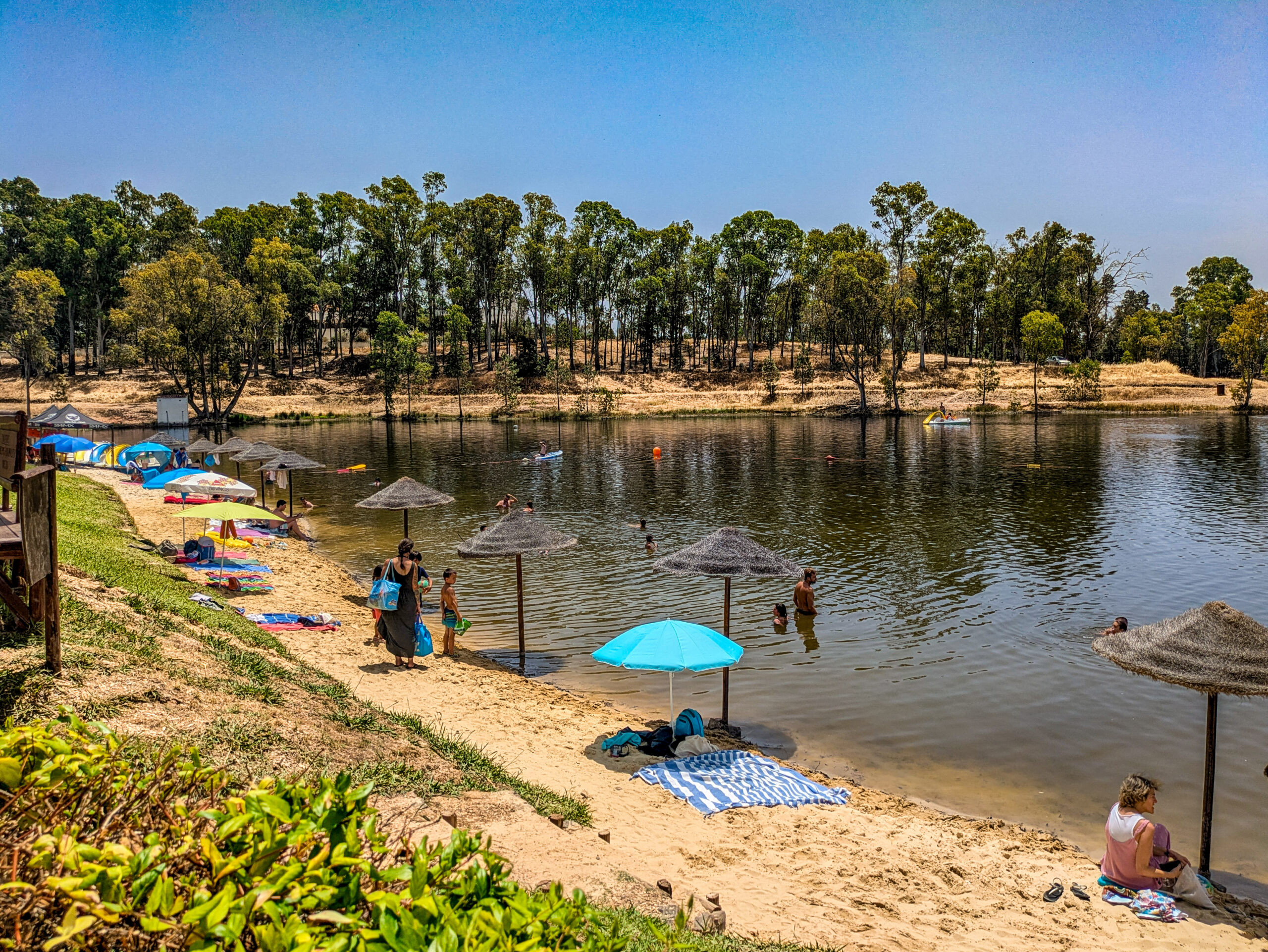
Especially on scorching hot days – and there are plenty of them in the Lower Alentejo – Tapada Grande is a wonderful place to cool down and easily spend a few relaxed hours. Even beyond the peak summer heat, it’s one of the most pleasant and well-organised river swimming spots in the region.
The main beach area offers changing facilities, a small café/snack bar, fixed sun umbrellas and spacious parking. The soft, sandy shore slopes gently into the water, making it particularly well suited for swimming with children. Small pedal boats can also be rented for a short trip across the lake.
If you prefer a quieter setting, there are a few other access points around the reservoir where swimming is possible away from the main beach. Do keep in mind that weekends and public holidays in summer can get busy. On the upside, it’s also a great opportunity to experience how local Portuguese families spend their leisure time by the water.
🏡 Elegant Rural Retreats
In the Alentejo, many former large agricultural estates – often lovingly restored – have been transformed into guesthouses. Staying in these quintas offers a unique glimpse into rural life, as many owners continue small-scale farming or traditional crafts alongside welcoming visitors.
One amazing example is the beautifully restored quinta Moinho do Monte Novo which offers spacious, air-conditioned rooms where many of the original furnishings have been preserved, giving the house a warm, authentic character. Guests can relax in the common lounge with a TV or enjoy breakfast in the sunlit dining room, with a panoramic view over the rolling Alentejo hills. For special occasions, other meals can also be arranged, and the breakfast buffet is excellent.
The shared kitchen is available for all residents, ideal for longer stays or self-catering. Outside, a large saltwater pool sits in a square courtyard with green grass and plenty of loungers, while children can enjoy the trampoline. Even in the height of summer, this quinta is a perfect retreat from the heat, combining comfort, charm, and a genuine countryside experience.
Com (C)alma

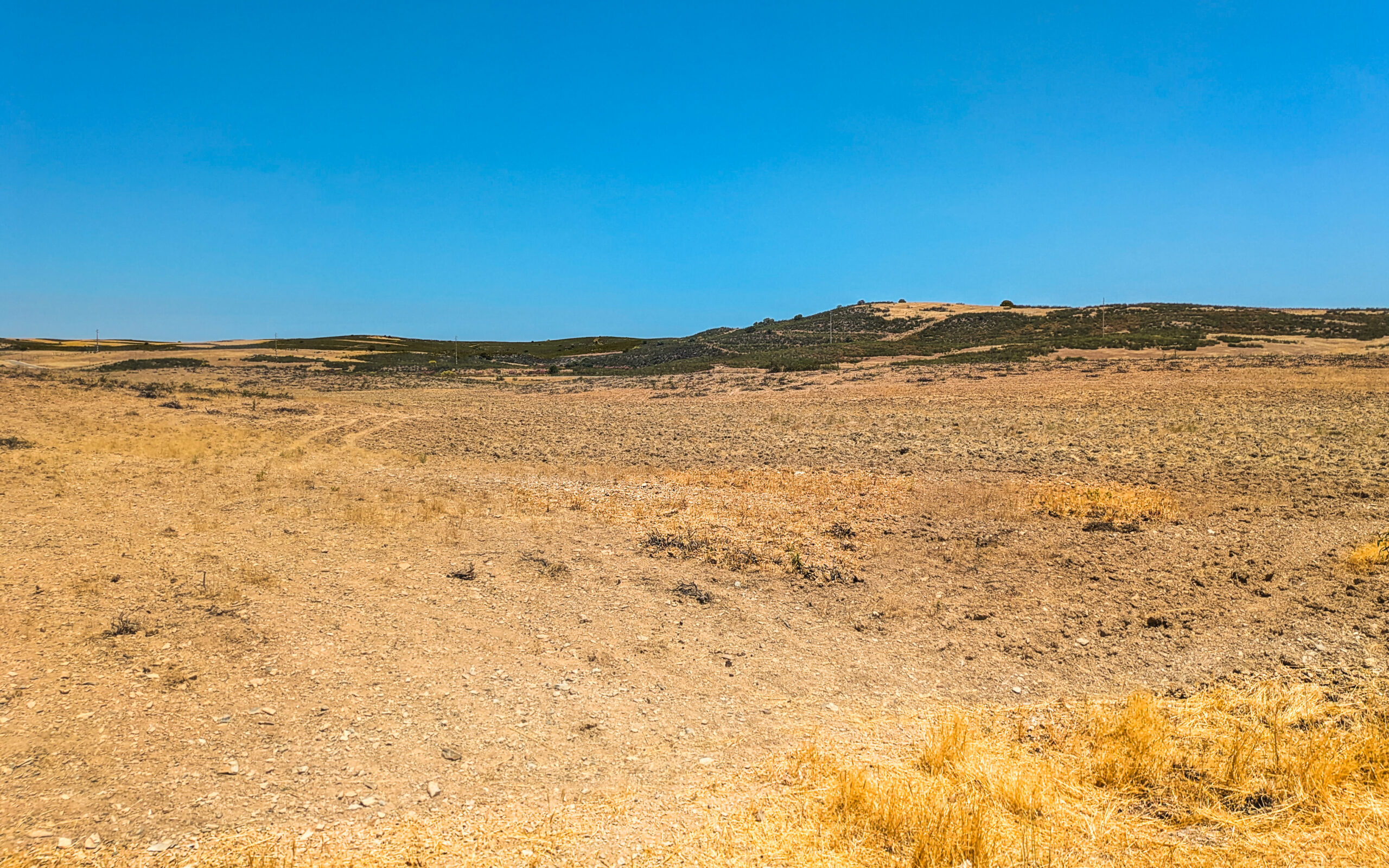
This is how vast parts of Alentejo look like during summer.
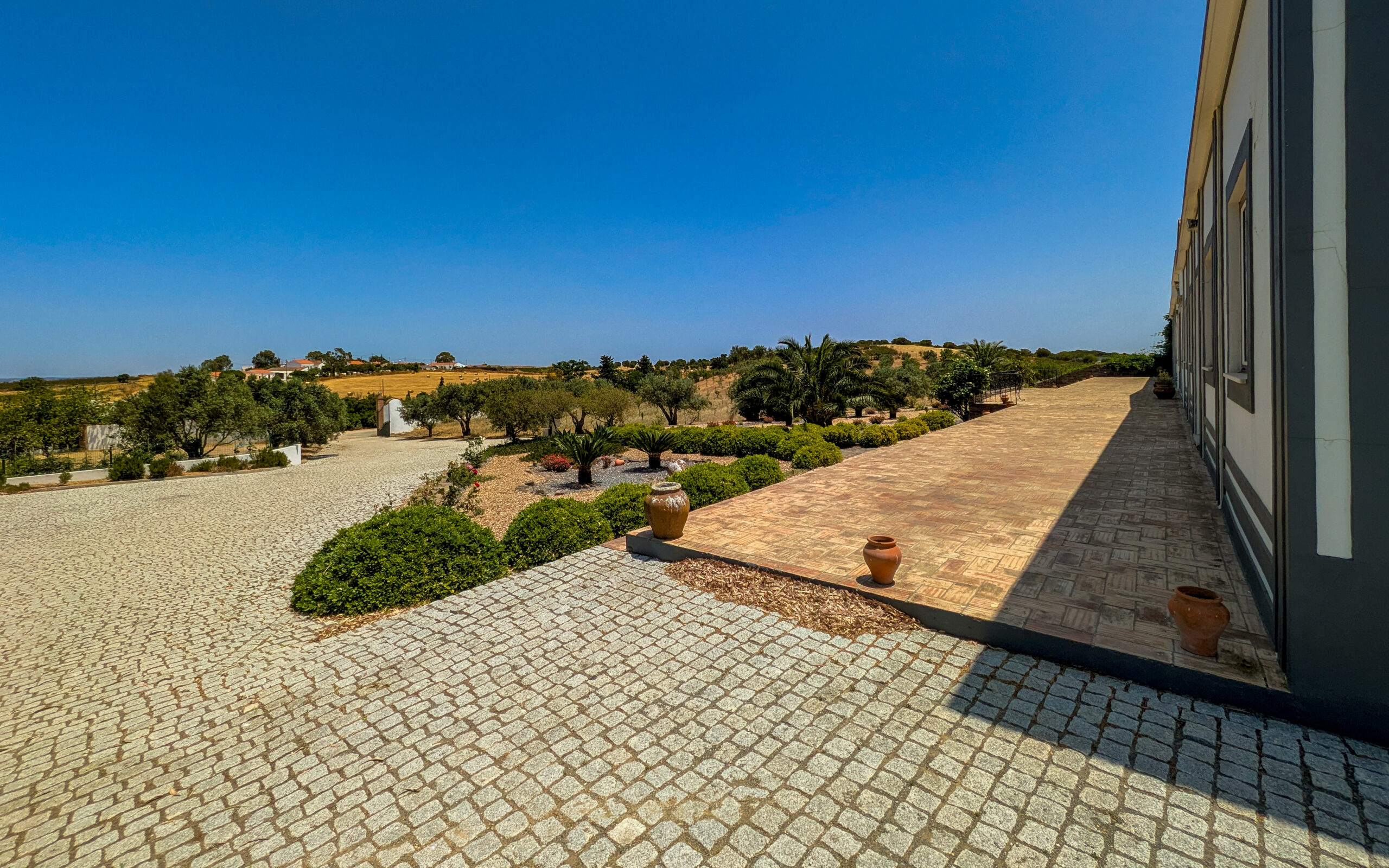
This is an impressive driveway - Quinta Moinho do Monte Novo
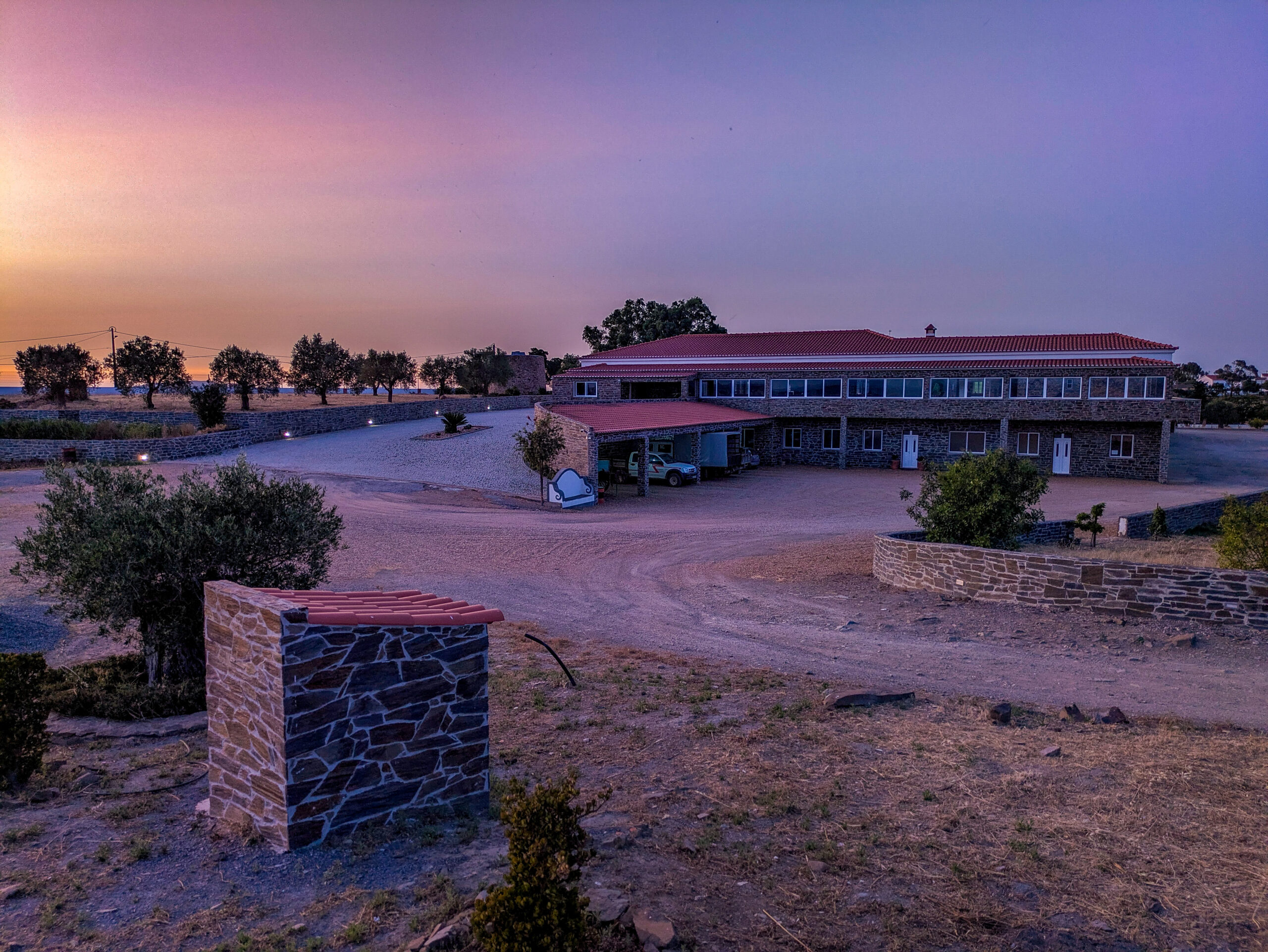
The beautiful Quinta Moinho do Monte Novo after sunset.
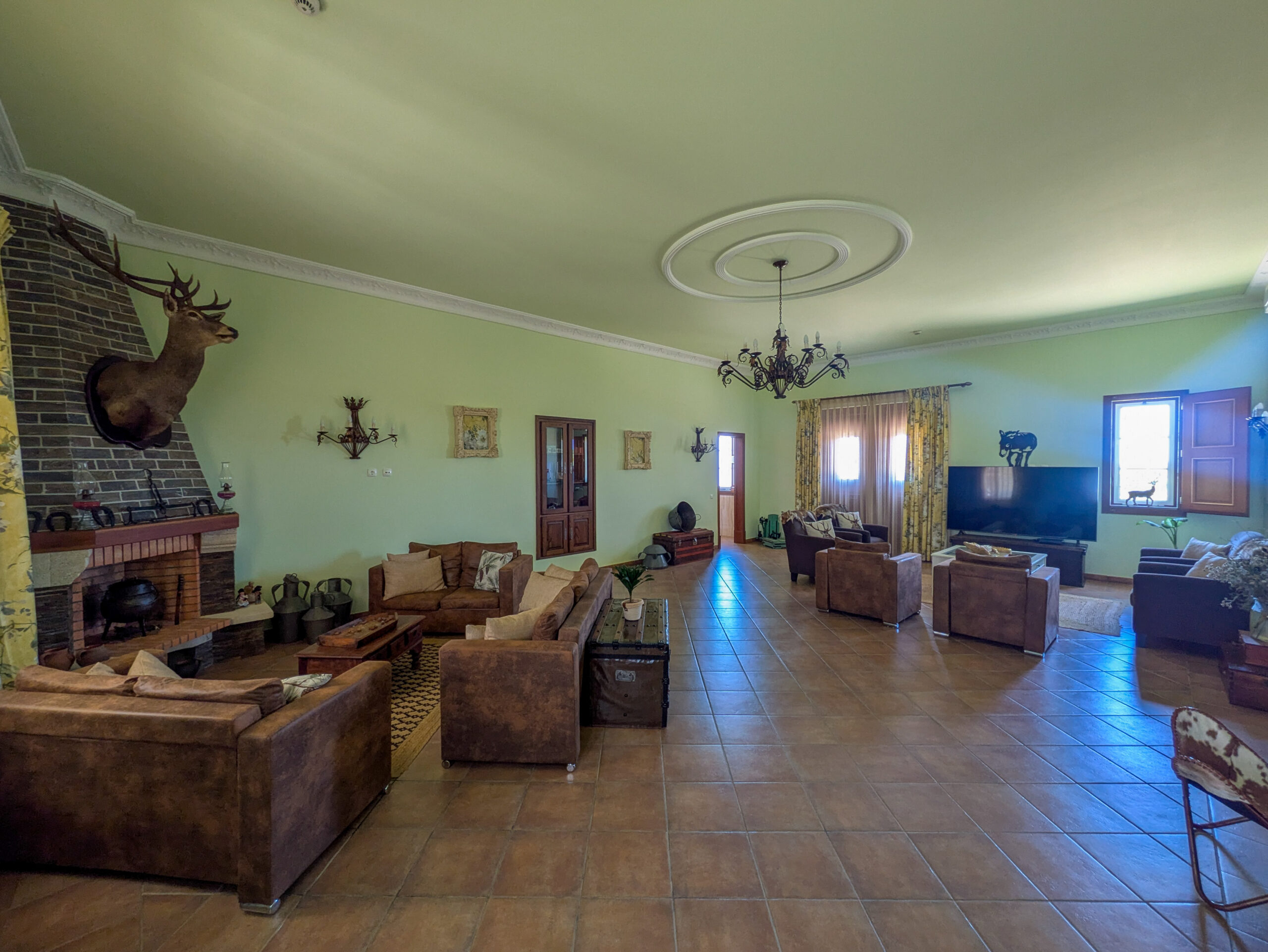
Hunting is still a big thing here, ask them for hunting parties, if you are interested.
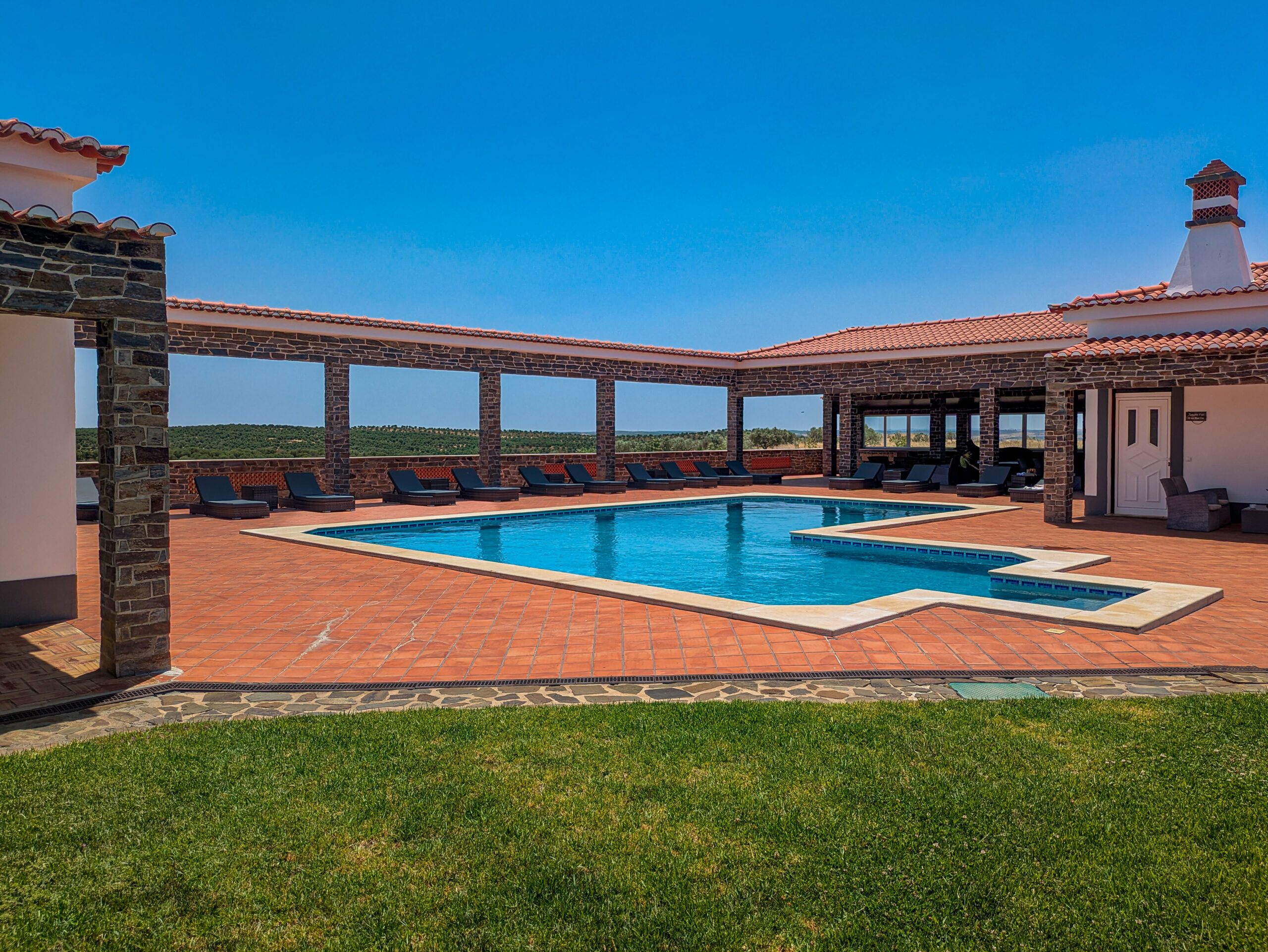
Time to relax.
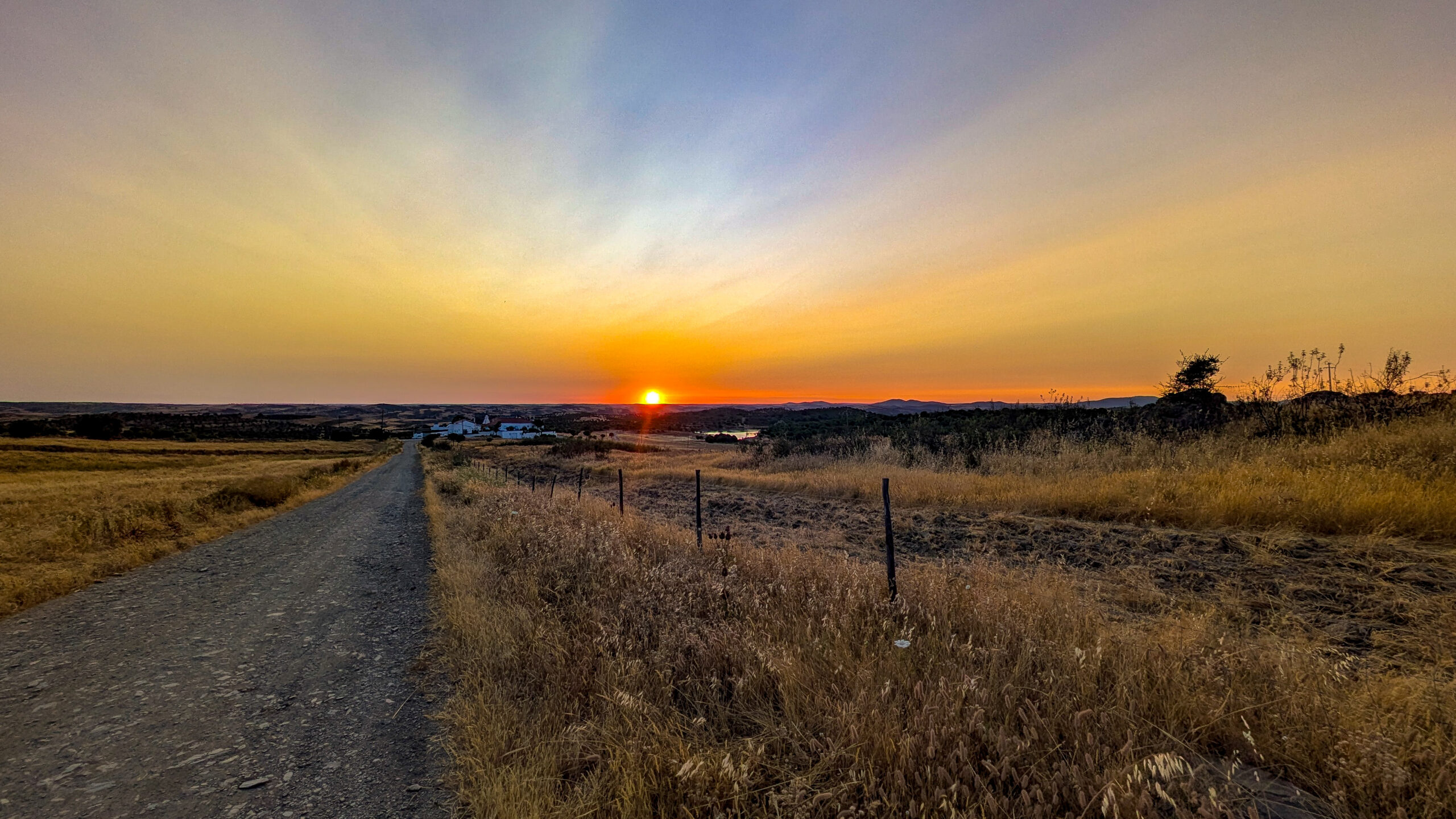
Can you still feel the heat of the Alentejo on your skin?
🛣️ Route ideas & how to combine the Lower Guadiana Valley
Depending on where you start, here are four easy ways to explore the region.
Route 1 – From Western / Central Algarve
Take A22 → A2 north towards Lisbon
Exit at Almodôvar – stop for traditional lunch
Follow N267 to Mértola
Optional: Centro de Interpretação do Lince-ibérico near São João dos Caldeireiros
Route 2 – From South-Eastern Algarve
Start with a stop in Castro Marim – medieval castle & traditional salt pans
Head north on the N122 towards Alcoutim
Optional scenic detour: follow M507 along the Guadiana River through Foz de Odeleite and Guerreiros do Rio
Continue north-west to Mértola
Then on to Minas de São Domingos
Route 3 – Loop combining Routes 1 & 2
Start inland via Almodôvar → Mértola → Alcoutim
Return via either option:
Coast: follow A22 back, adding stops along Algarve coastline
Inland: via N2/N124 through villages such as Cachopo
Optional: Refresh at natural swimming pool Fonte Férrea
Flexible route depending on starting point and time available
Route 4 – Coming from the North
Combine the Lower Guadiana visit with stops in Beja, Serpa, or hilltop Moura and its castle
Works as a standalone trip or part of a longer circular journey including Mértola & Alcoutim
Offers rich mix of history, culture, and countryside scenery